

 March 10, 2026
  7 Min
7 Min  No Comment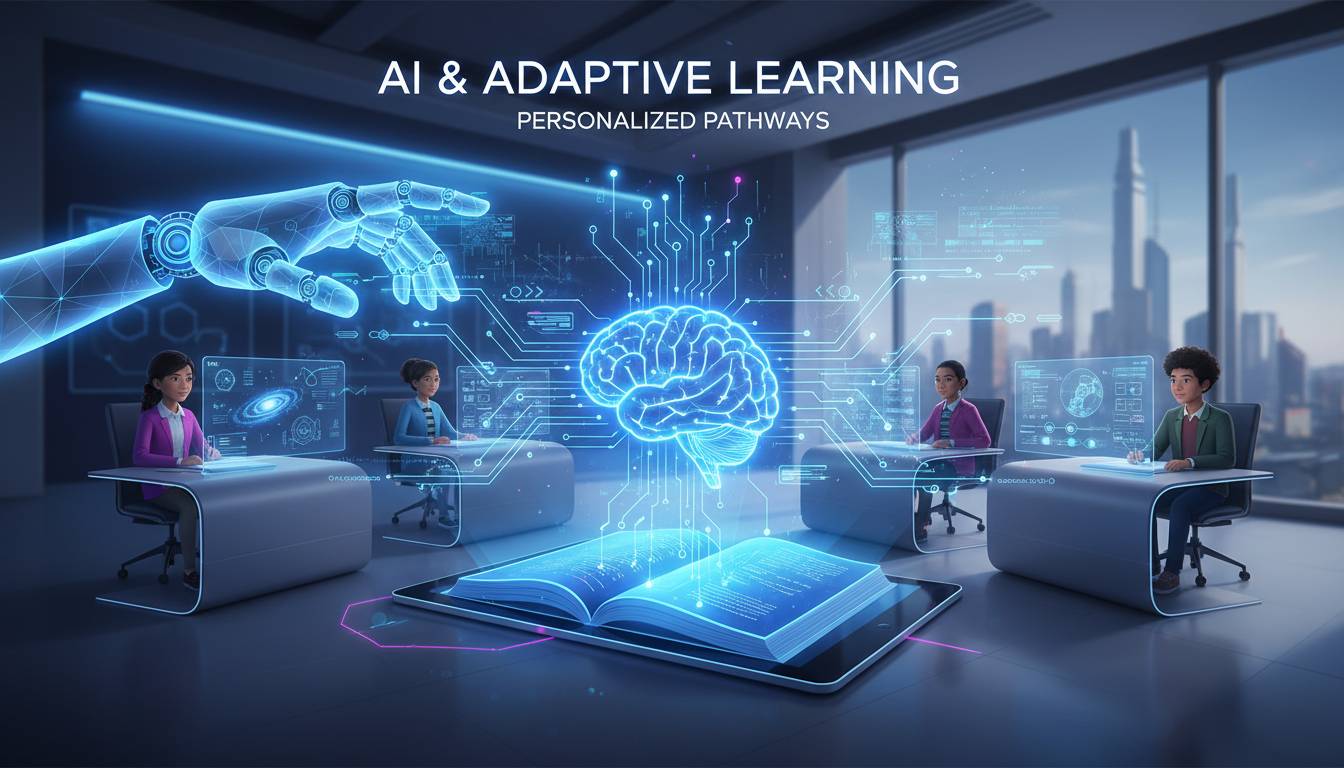
The elearning industry has fundamentally changed how we approach education delivery, and 2024 is proving to be a pivotal year. AI integration, immersive technologies, and data-informed design are reshaping learning experiences for millions of students worldwide. This analysis examines the trends educators and instructional designers are actively implementing—and what the research actually shows about their effectiveness.
AI-Powered Personalized Learning
Artificial intelligence has become the most significant driver of innovation in digital education. Based on our analysis of platform developments, adaptive learning platforms now use sophisticated algorithms to track student performance in real-time, automatically adjusting difficulty and content delivery based on individual progress patterns. This enables educators to create genuinely responsive learning paths that address specific strengths, weaknesses, and learning paces.
AI chatbots and virtual teaching assistants have gained substantial traction across learning platforms. These systems provide continuous support—answering questions, explaining concepts, and guiding students through challenging material without requiring immediate human instructor involvement. Organizations implementing AI-driven personalization have documented measurable improvements in engagement metrics and course completion rates, though results vary significantly based on implementation quality.
Natural language processing capabilities have advanced considerably. Learners can now interact with educational content using conversational queries, receiving contextually relevant responses. This seemingly small enhancement significantly improves the overall user experience by making content discovery more intuitive.
Microlearning and Bite-Sized Content
Microlearning continues to gain momentum as learners increasingly seek content that fits into fragmented daily schedules. The approach delivers information in concentrated segments—typically spanning three to seven minutes—allowing for more effective absorption and retention during brief intervals.
Corporate training has adopted this approach extensively. Professional development rarely fits into extended time blocks, but employees can engage with focused modules during commutes, breaks, or between meetings. Mobile-compatible microlearning has transformed compliance training, skill refreshing, and onboarding processes.
Research supports the effectiveness of this approach: a meta-analysis published in the Journal of Applied Psychology found that spaced, chunked learning improved retention by approximately 20% compared to traditional blocked learning (Sitzmann, 2011). Designers are increasingly building modular content libraries that can be assembled and customized for different roles and learning objectives.
Immersive Technologies: VR and AR in Education
Virtual and augmented reality have moved beyond experimental applications into mainstream implementation. VR training is now standard practice in industries requiring hands-on experience or simulation of hazardous scenarios—healthcare, manufacturing, aviation, and emergency services. Learners can practice procedures and develop decision-making skills in realistic environments without real-world consequences.
VR hardware costs have decreased substantially, making these technologies accessible to smaller educational institutions and businesses. Enterprise platforms now offer robust tracking, analytics, and collaborative features that enhance the learning value of immersive experiences.
AR has expanded particularly in medicine and engineering, where overlaying digital information onto physical environments addresses practical workplace challenges.
The evidence for immersive learning effectiveness is substantial: a PwC study found that VR learners were 4x more focused than classroom learners and 275% more confident in applying skills learned. This data has driven increased investment across sectors.
Gamification Evolution
Gamification has matured significantly beyond simple point systems and leaderboards. Modern platforms now incorporate narrative-driven experiences, achievement badges, team challenges, and progression systems that engage deeper motivational drivers.
This approach proves particularly effective in corporate training contexts where maintaining engagement presents ongoing challenges. Organizations implementing comprehensive gamification strategies have documented higher completion rates and more active participation in professional development programs.
While competitive elements remain, 2024 trends emphasize collaborative learning—team-based challenges, peer-to-peer knowledge sharing, and rewards systems designed to reinforce genuine learning rather than mere completion.
Mobile-First Learning Design
With mobile devices serving as the primary content consumption method for most learners, mobile-first design has shifted from optional to essential. Educational providers prioritize responsive design ensuring consistent functionality across smartphones, tablets, and desktop computers.
Mobile applications have become increasingly sophisticated: offline download capabilities, push notifications, and location-based features enable contextual learning experiences. Learners can engage with content during commutes, breaks, or any situation without requiring constant connectivity.
Microlearning integrates naturally with mobile consumption patterns, fundamentally changing how instructional designers approach content architecture. The design process increasingly begins with mobile considerations rather than adapting desktop material for smaller screens.
Social and Collaborative Learning
Social learning has become central to effective digital education. The inherently social nature of learning drives integration of discussion forums, peer review systems, group projects, and real-time collaboration tools within learning platforms.
Peer networks enable students and professionals to share knowledge, provide feedback, and learn from collective experiences. These interactions develop communication and teamwork competencies valued by employers. Asynchronous discussion formats allow participation across different time zones without requiring simultaneous availability.
Organizations increasingly establish internal communities of practice—dedicated spaces where employees exchange expertise and solve problems collaboratively. This approach extends learning well beyond formal training programs.
Data-Driven Learning Analytics
Learning analytics capabilities have become substantially more sophisticated. Educators and administrators now access detailed insights into learner behavior, performance patterns, and program effectiveness. Machine learning algorithms help identify at-risk learners early, predict potential dropout situations, and recommend targeted interventions.
Understanding where learners encounter difficulties enables continuous content and delivery improvement. Educational institutions apply these insights to strengthen student support systems. Organizations use analytics to demonstrate training ROI and allocate resources more effectively.
Predictive analytics has proven particularly valuable—enabling proactive intervention before learner disengagement or failure rather than reactive responses after problems emerge.
Accessibility and Inclusive Design
Accessibility has become non-negotiable in 2024. Regulatory requirements and ethical considerations have driven adoption of universal design principles across the industry. Learning materials must function effectively for all users regardless of ability.
WCAG compliance is now baseline expectation: closed captions, screen reader compatibility, keyboard navigation support, and appropriate alt text. The conceptual shift—recognizing that accessibility features benefit all learners, not only those with disabilities—has accelerated adoption.
Content creation tools increasingly include built-in accessibility checkers, enabling designers to develop inclusive materials from project initiation rather than addressing issues after completion.
Hybrid and Flexible Learning Models
The distinction between online and in-person learning has evolved into sophisticated hybrid models offering genuine flexibility. Educational institutions and organizations now blend synchronous and asynchronous components seamlessly, providing learners choice regarding when and where to engage.
This approach succeeds because it accommodates diverse schedules, locations, and learning preferences. The most effective hybrid programs balance live interaction with self-paced content, capturing benefits of both delivery modes.
Asynchronous learning has flourished. Learners value the ability to revisit material, pause for reflection, and progress according to individual comfort levels. Synchronous sessions retain importance for real-time questions and collaborative work requiring immediate feedback.
Conclusion
2024’s elearning trends reflect an industry maturing rapidly while embracing genuinely transformative technologies. AI, immersive experiences, and data-driven approaches are fundamentally reshaping education delivery across sectors.
For educators and learning professionals, staying current with these developments is essential. Organizations positioning themselves for success are those integrating these tools thoughtfully while maintaining focus on measurable learner outcomes rather than technology adoption for its own sake.
Frequently Asked Questions
What’s the biggest elearning trend in 2024?
AI-powered personalized learning leads current trends. Machine learning now enables customization at unprecedented scale—adapting content delivery based on individual performance, preferences, and pace. This technology addresses the longstanding challenge of creating individualized education at population scale.
How is AI changing online education?
AI is transforming online education through adaptive systems, intelligent tutoring, automated assessment, and predictive analytics. AI can identify struggling learners early, recommend personalized content pathways, and provide immediate feedback that previously required human instructor involvement. These tools are expanding access to high-quality personalized education.
What elearning strategies work best for corporate training?
The most effective combination in 2024: microlearning modules combined with social and collaborative learning. Mobile-first design enables convenient employee access. Gamification maintains engagement. Analytics demonstrates training ROI.
What’s driving elearning innovation?
Primary technologies driving change: AI, VR/AR, cloud computing, mobile platforms, and learning analytics systems. These technologies combine to create more personalized, engaging, accessible, and measurable learning experiences.
Why is microlearning so popular now?
Microlearning aligns with how contemporary learners prefer to engage with content. Brief, focused segments fit into busy schedules, improve retention through spaced repetition principles, and prevent cognitive overload. Mobile devices have made microlearning even more accessible—learners can complete modules anywhere, anytime.