

 February 13, 2026
  6 Min
6 Min  No Comment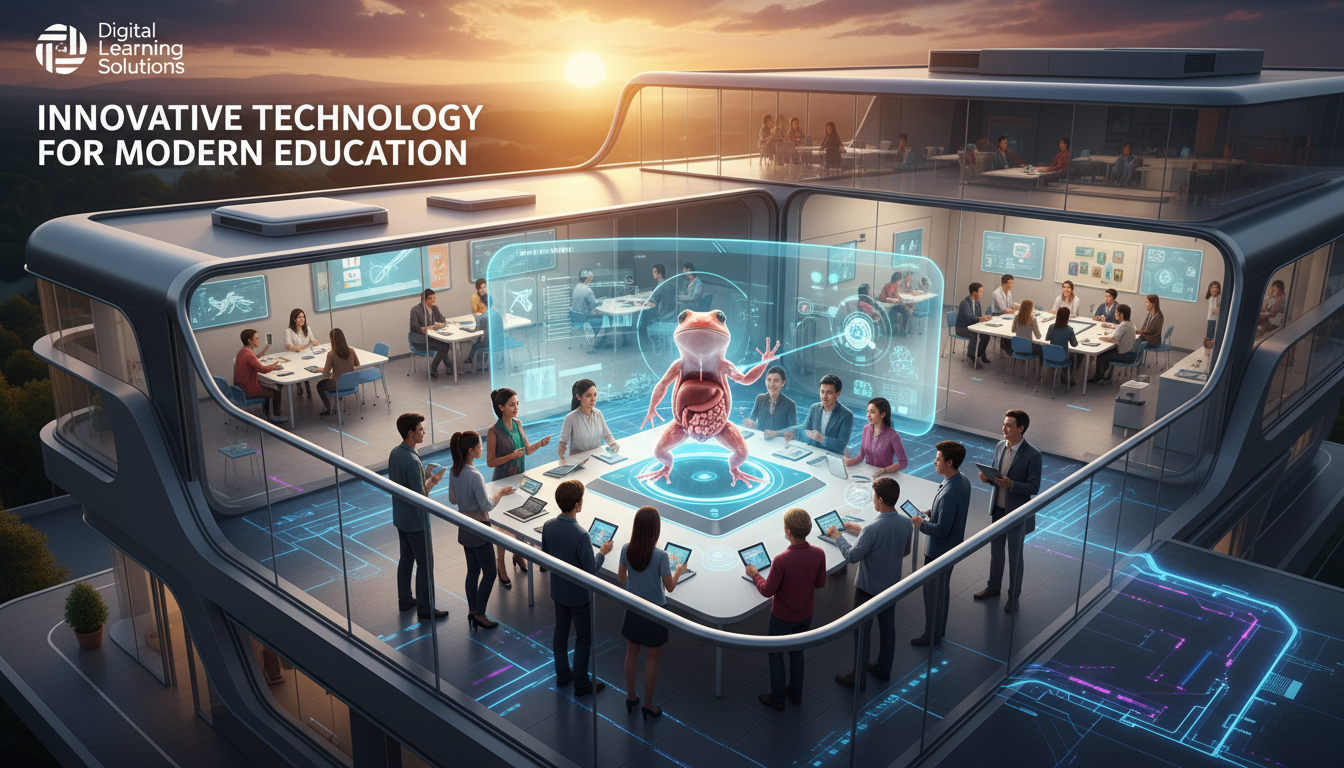
Navigating today’s educational landscape feels a bit like trying to tune a radio in a moving car—you know there’s potential, but clarity comes and goes. Digital learning solutions, driven by innovative technologies, have evolved to meet that dizzying ride head-on. They’re not just flashy tools; they’re rethinking how students engage, teachers instruct, and institutions measure outcomes. This article takes a grounded look at how tech is reshaping modern education—and keeps things human enough to spark a friendly “aha” moment.
The Rise of Interactive Platforms in Education
Real-Time Engagement and Adaptive Feedback
Gone are the days when learning meant purely static textbooks. Interactive platforms now deliver lessons that respond in real time—offering quizzes, prompting discussions, even adjusting difficulty based on how you’re doing. Teachers see engagement soar because students get just-right challenges. Think of a scenario where a student struggling in algebra gets additional hints, while someone breezing through gets stretched further at the same time.
Harnessing AI-Driven Personalization
Artificial intelligence is often – well, oversold – as the magic wand of education. But in reality, it’s quietly helping tailor learning paths in meaningful ways. Instead of one-size-fits-all, students get varied content formats—videos, readings, simulations—matched to their pace and preferences. That variety matters: some grasp ideas better hearing them, others need to tinker hands-on. AI tools also flag patterns, giving educators a heads-up if someone’s steadily falling behind—enabling timely interventions.
“The power of personalized learning lies not in perfection, but in meeting learners where they are—and nudging them forward with clarity.”
Blended Learning: Connecting Virtual and Physical Classrooms
Integrating Online Tools into Traditional Settings
Blended learning blends (no pun intended) the best of both worlds. Imagine reserving in-person class time for spirited debate, case studies, or experiment-based learning—then pushing lectures and assignments to the digital side for flexible access. Schools see that hybrid structure often sparks deeper engagement because students come prepared, curious, and ready to apply concepts.
Benefits of Campus Plus Cloud
- Flexible access—learn anytime, anywhere, which is a boon for busy students or those balancing work.
- Resource-rich environments—digital libraries, recorded lectures, and interactive tools become always-available companions.
- Data-driven insights—schools glean patterns from student interactions, fine-tuning teaching strategies mid-semester instead of waiting till term ends.
Immersive Technologies: AR, VR, and Beyond
When Simulation Meets Curiosity
Augmented and virtual reality are turning lessons into experiences—like stepping inside a cell, wandering through ancient ruins, or practicing surgical techniques. The “wow” factor is real, but the deeper value comes when students can manipulate, test hypotheses, and learn by doing. That tends to boost both retention and excitement.
Real-World Examples
- Medical schools using VR for anatomy labs so students don’t need cadavers immediately.
- History classes exploring digital reconstructions of archaeological sites—making timelines come alive.
In such contexts, immersive tech becomes less about novelty and more about hands-on exploration.
Analytics and Measurement: Making Learning Visible
Leveraging Learning Data
It’s rare for instructors to have full visibility into how students learn. Now, dashboards track engagement, time-spent, quiz scores, even how many times someone re-watches a segment. That transparency arms educators with insight—and accountability. They can adjust pacing, reassign materials, or suggest extra support before slipping grades become a surprise.
Turning Data Into Decisions
Institutions are gradually using analytics to predict—and prevent—dropouts. For example, attendance trends or assignment submission delays can trigger early outreach. When schools act proactively, more students stay the course. It’s less about tracking for tracking’s sake, and more about wielding insight to bolster success.
Challenges and Caveats of High-Tech Learning
Digital Divide Realism
It’s easy to imagine every student with a sleek device at hand, but reality says otherwise: access discrepancies persist. Some learners lack reliable internet, suitable devices, or quiet spaces to study. Without thoughtful provisioning, innovation risks reinforcing existing inequities.
Human Connection Still Matters
Tech doesn’t eliminate the need for educators—it transforms it. Teachers shift from content deliverers to coaches, mentors, design thinkers. But that shift isn’t automatic; it demands new training, mindset shifts, and institutional buy-in. Otherwise, “shiny tool syndrome” kicks in—nice tech, limited impact.
Strategic Roadmap: Implementing Meaningful Digital Learning
Start Small, Iterate, Scale
There’s no single “silver bullet” tech solution. Instead, start with pilot programs—perhaps digitizing a course or integrating a single app. Track results, especially feedback from teachers and students, then expand thoughtfully. That iterative process tames risk and builds institutional confidence.
Prioritize Accessibility and Inclusion
To be trustworthy, digital learning must include. That means designing platforms with accessibility features—closed captions, screen reader compatibility, adjustable text size. Also, offering low-bandwidth versions or offline access ensures no one’s left behind.
Cultivating Digital Pedagogues
Instructors need support too—training, examples of success, peer networks. Integrating tech thoughtfully relies on educators feeling confident and validated, not just “assigned another tool.” Communities of practice can foster experimentation and shared insights.
Conclusions
Modern education is not about replacing teachers with gadgets—it’s about enriching learning through thoughtful, human-centered technology. When interactive platforms, AI personalization, immersive tech, and data analytics converge with equitable access and educator empowerment, the result is a dynamic and inclusive learning ecosystem. The path is uneven, but by starting small, prioritizing equity, and supporting educators, institutions can build meaningful digital learning solutions that truly support student growth.
FAQs
What exactly are “digital learning solutions”?
Digital learning solutions encompass tools and platforms—from interactive modules to AI tutoring, virtual reality simulations, and analytics dashboards—that support and enhance teaching and learning processes.
How do immersive technologies like VR and AR benefit students?
They transform abstract concepts into hands-on experiences, helping learners explore, experiment, and retain information in a more engaging way than passive content alone.
Can schools implement digital learning with limited resources?
Absolutely. Beginning with pilot programs and prioritizing accessible, low-barrier tools allows institutions to gradually adopt innovation without overextending.
What are the biggest challenges to effective digital learning?
Key obstacles include the digital divide (unequal access to devices and connectivity) and the need for teachers to adapt to new pedagogical roles, which requires training and support.
How does data analytics improve learning outcomes?
Analytics offer visibility into how students engage, enabling early interventions and informed instructional adjustments rather than waiting for end-of-term signals.
Is technology replacing human educators in modern classrooms?
No – technology shifts educators into roles as facilitators and coaches. Human guidance remains central, with tech serving as augmentation rather than a substitute.
Approximately 900 words.
