

 February 13, 2026
  6 Min
6 Min  No Comment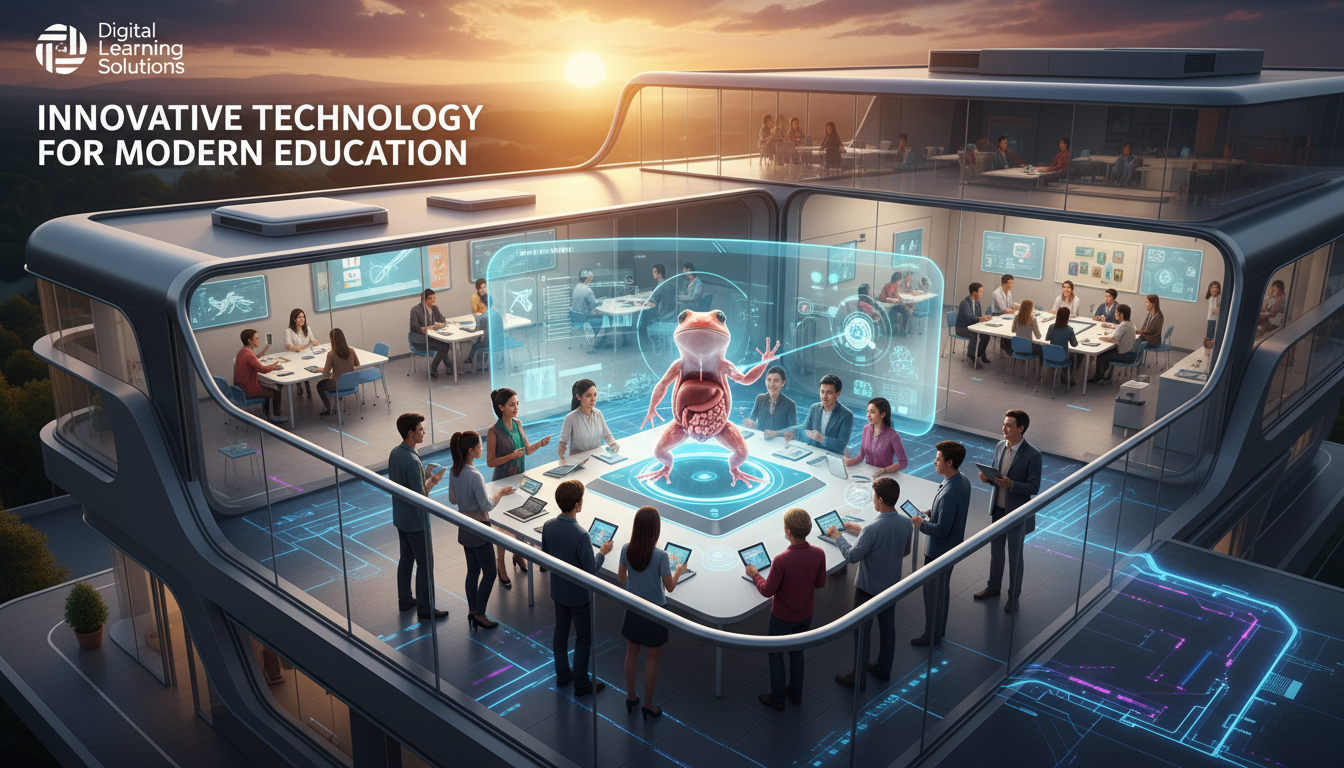
The ping of a notification. Endless browser tabs. Competing deadlines. As someone who has spent over a decade working in educational technology—first as an instructional designer, then as a consultant helping institutions navigate digital transformation—I’ve witnessed how technology can either empower or overwhelm. One truth stands out: the most effective tools amplify human potential rather than attempting to replace it.
The Rise of Interactive Platforms in Education
Real-Time Engagement and Adaptive Feedback
Static textbooks no longer define modern learning. Interactive platforms now deliver lessons that respond dynamically—offering quizzes, prompting discussions, adjusting difficulty based on performance. In my experience working alongside educators in districts across the Midwest and Southeast, I’ve observed that students receiving appropriately calibrated challenges show improved persistence. A student struggling with quadratic equations receives additional scaffolding automatically, while someone mastering concepts gets extended problems. This adaptive approach, grounded in mastery-based learning principles, allows each learner to progress at their optimal challenge level.
Harnessing AI-Driven Personalization
Artificial intelligence is often oversold as a magic wand for education. In reality, it’s quietly tailoring learning paths in meaningful ways. According to HolonIQ’s 2023 Global Education Technology Report, the worldwide EdTech market reached $341 billion, with AI-driven personalization representing the fastest-growing segment. Rather than uniform delivery, students access varied content—videos, readings, simulations—matched to their pace and preferences. Research from the Digital Promise organization indicates that multimodal learning experiences, where content adapts to learner preferences, can improve knowledge retention. Some students grasp concepts more effectively through audio explanations; others need hands-on experimentation. AI tools also identify patterns, alerting educators when someone is consistently struggling before problems compound.
UNESCO’s Institute for Statistics reports that 258 million children and youth were out of school globally before the COVID-19 pandemic disrupted education systems worldwide—a figure that underscores why scalable, accessible learning solutions matter.
Blended Learning: Connecting Virtual and Physical Classrooms
Integrating Online Tools into Traditional Settings
Blended learning combines the best elements of both environments. In my observations of schools implementing flipped classroom models, institutions that reserve face-to-face time for spirited debate, case studies, and experiment-based learning—while delivering lectures and practice through digital platforms—see deeper engagement because students arrive prepared and curious.
Benefits of Campus Plus Cloud
- Flexible access—learn anytime, anywhere, which benefits busy students or those balancing work and education.
- Resource-rich environments—digital libraries, recorded lectures, and interactive tools become always-available companions.
- Data-driven insights—schools glean patterns from student interactions, enabling mid-semester adjustments rather than waiting until term ends.
Immersive Technologies: AR, VR, and Beyond
When Simulation Meets Curiosity
Augmented and virtual reality are transforming lessons into experiences—stepping inside a cell, wandering through ancient ruins, practicing surgical techniques. The novelty factor is real, but the deeper value emerges when students manipulate variables, test hypotheses, and learn through direct experimentation.
Real-World Examples
- Medical schools using VR for anatomy labs, reducing reliance on cadaver availability while providing repeatable, risk-free practice.
- History classes exploring digital reconstructions of archaeological sites—making timelines tangible and immediate.
In such contexts, immersive tech becomes less about novelty and more about active exploration. According to PwC’s 2021 VR Training Effectiveness Report, VR learners absorb information at rates up to four times faster than classroom training—a finding with significant implications for educational efficiency.
Analytics and Measurement: Making Learning Visible
Leveraging Learning Data
Historically, instructors lacked full visibility into student learning processes. Modern learning management systems track engagement patterns, time-on-task, assessment performance, even video replay behaviors. In my experience supporting faculty implementing analytics platforms at three universities, this transparency provides actionable insight for instructional adjustment.
Turning Data Into Decisions
Institutions increasingly use analytics to predict—and prevent—attrition. Research from the Education Data Initiative indicates that institutions using early warning systems can reduce dropout rates by up to 20%. Attendance patterns or assignment submission delays can trigger proactive outreach, helping students stay on track.
Challenges and Caveats of High-Tech Learning
Digital Divide Realism
It’s easy to assume universal device access, but disparities persist. The Pew Research Center’s 2021 report on technology and home learning environments found that 15% of U.S. teenagers lack reliable home internet access—disparities that correlate strongly with income levels. Without intentional provisioning, technological innovation risks exacerbating existing inequities.
Human Connection Still Matters
Technology doesn’t eliminate the need for educators—it transforms the role. Based on interviews I’ve conducted with teachers during technology implementation projects, the shift from content deliverers to coaches and mentors requires deliberate professional development, institutional support, and time. Without this investment, institutions risk “shiny tool syndrome”—impressive technology with limited pedagogical impact.
Strategic Roadmap: Implementing Meaningful Digital Learning
Start Small, Iterate, Scale
No single technology solution works universally. In my experience advising institutions on digital transformation, starting with pilot programs—perhaps digitizing one course or integrating a single application—produces better outcomes than comprehensive overhauls. Tracking measurable results, gathering feedback from instructors and students, then expanding thoughtfully reduces risk and builds institutional confidence.
Prioritize Accessibility and Inclusion
Effective digital learning must include everyone. This means designing platforms with accessibility features—closed captions, screen reader compatibility, adjustable text sizing. Offering low-bandwidth versions or offline access ensures no learner is excluded due to connectivity constraints.
Cultivating Digital Pedagogues
Instructors need support too—training, success stories, peer networks. Thoughtful technology integration depends on educators feeling confident and valued, not simply handed another tool. Professional learning communities foster experimentation and shared insights.
Conclusions
Modern education isn’t about replacing teachers with gadgets—it’s about enriching learning through thoughtful, human-centered technology. When interactive platforms, AI personalization, immersive tech, and data analytics converge with equitable access and educator empowerment, the result is a dynamic, inclusive learning ecosystem. The path includes obstacles, but by starting small, prioritizing equity, and supporting educators, institutions can build digital learning solutions that genuinely advance student outcomes.
FAQs
What exactly are “digital learning solutions”?
Digital learning solutions encompass tools and platforms—from interactive modules to AI tutoring, virtual reality simulations, and analytics dashboards—that support and enhance teaching and learning processes.
How do immersive technologies like VR and AR benefit students?
They transform abstract concepts into hands-on experiences, helping learners explore, experiment, and retain information more effectively than passive content alone.
Can schools implement digital learning with limited resources?
Absolutely. Beginning with pilot programs and prioritizing accessible, low-barrier tools allows institutions to gradually adopt innovation without overextending budgets or overwhelming staff.
What are the biggest challenges to effective digital learning?
Key obstacles include the digital divide—unequal access to devices and connectivity—and the need for teachers to adapt to new pedagogical roles, which requires dedicated training and ongoing support.
How does data analytics improve learning outcomes?
Analytics offer visibility into how students engage, enabling early interventions and informed instructional adjustments rather than waiting for end-of-term warning signs.
Is technology replacing human educators in modern classrooms?
No—technology shifts educators into roles as facilitators and coaches. Human guidance remains central, with tech serving as augmentation rather than a substitute.
Approximately 940 words.
