

 February 5, 2026
  5 Min
5 Min  No Comment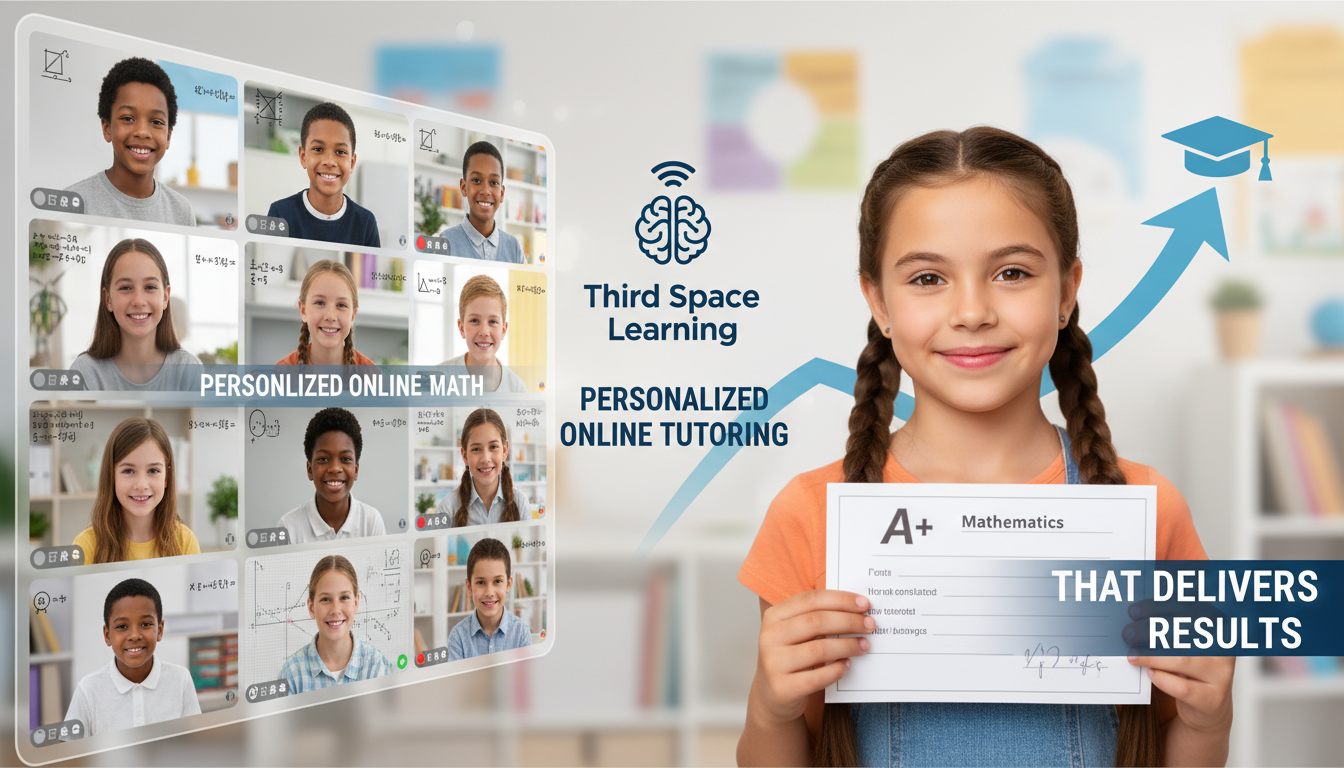
Something that’s struck me during years of reviewing edtech platforms: math tutoring sounds simple in theory, but execution rarely matches ambition. Third Space Learning caught my attention because it takes a different angle—one built around genuinely adaptive, one-on-one support rather than the standardized approach many schools struggle with. In a landscape where a 2021 Education Endowment Foundation meta-analysis found that high-quality tutoring can boost learning by up to five additional months’ progress, platforms like this are worth examining closely.
Let’s explore how Third Space Learning operates, why it matters for students and educators, and what realistic expectations look like.
How Personalized Tutoring Works in Practice
Matching Tutors with Learners
Third Space Learning pairs each student with a dedicated tutor who customizes sessions based on the learner’s specific gaps and progression. Rather than working through a fixed curriculum sequence, tutors identify where a student struggles—whether it’s fractions, linear equations, or foundational misconceptions—and adjust subsequent lessons accordingly. This responsive approach means no two learners follow identical paths.
Based on platform documentation, these sessions are designed to evolve session by session, giving tutors flexibility to slow down when concepts don’t land or accelerate when students demonstrate mastery.
Curriculum Integration and Assessment
The platform aligns tutoring with existing school curricula, which helps maintain coherence between supplemental support and classroom instruction. Ongoing assessment—including regular quizzes and performance tracking—informs each subsequent lesson. Students can track their own progress, and teachers receive updates that keep everyone aligned.
This structured feedback loop supports what research suggests matters most: consistent, curriculum-linked practice that reinforces classroom learning rather than diverging from it.
Why “Results” Aren’t Just a Buzzword
Real-World Improvement Over Time
Research from the Education Endowment Foundation indicates that structured one-to-one tutoring produces meaningful learning gains—their 2021 analysis found effect sizes of +0.41 for mathematics interventions. What this means practically: students receiving consistent, quality tutoring demonstrate measurable progress in both confidence and performance.
For schools implementing Third Space Learning, the tangible signs often appear as increased class participation, improved homework completion, and gradually strengthening test scores. The gains compound over time when tutoring remains consistent.
Teacher Empowerment, Not Replacement
Teachers using Third Space Learning report feeling supported rather than sidelined. Tutors handle targeted interventions and one-on-one sessions, which frees educators to concentrate on whole-class instruction. This complementary model integrates into existing school systems rather than disrupting them—a factor that contributes to smoother implementation.
Balancing Strengths and Shortcomings
Strengths at a Glance
- Adaptive sessions that evolve based on individual student progress
- Curriculum alignment with ongoing assessment and feedback
- Structured support that builds both understanding and student confidence
- Complementary model that supports rather than replaces classroom teachers
Some Challenges to Consider
- Reliable internet and appropriate devices are required—access isn’t universal
- Time zone coordination can complicate scheduling for some schools
- Tutor consistency matters; students may work with different tutors over time
- Remote delivery may feel less engaging for students who prefer in-person interaction
A Short Case Scenario: When It Clicks
Consider a middle school where several students struggle with ratios and percentages. After tailored sessions through Third Space Learning, one previously hesitant student begins raising their hand in class. Another explains a method to peers, having moved from confusion to clarity. Their teacher notices fewer repeat errors in homework and assessments.
These outcomes reflect what educators and parents consistently report: incremental progress that, over weeks and months, translates into visible improvements in both performance and attitude.
What Research Suggests About Effective Tutoring
The Education Endowment Foundation’s toolkit on tutoring emphasizes that impact depends heavily on implementation quality, tutor training, and curriculum alignment. Their findings indicate that tutoring works best when sessions are frequent (three to five times per week), well-structured, and directly connected to classroom content. Platforms incorporating these elements tend to see stronger outcomes.
Strategic Considerations for Schools or Parents
Schools should verify infrastructural readiness—reliable internet, appropriate devices, and scheduling flexibility. Encouraging student reflection between sessions builds metacognition, making tutoring more effective. Parents staying connected with both tutors and teachers reinforces alignment and supports progress tracking.
Conclusion
Personalized online math tutoring, as exemplified by Third Space Learning, offers adaptive instruction, curriculum alignment, and research-supported learning gains when implemented thoughtfully. It’s not a universal solution, but platforms incorporating quality tutors, regular assessment, and curriculum integration can produce meaningful improvements in understanding, confidence, and engagement. Success depends largely on consistent implementation and intentional integration into students’ broader learning environments.
FAQs
What makes Third Space Learning different from generic online tutoring?
Third Space Learning emphasizes curriculum alignment and adaptive lesson planning based on ongoing assessment. This personalized, linked approach differs from standardized tutoring services that may not connect directly to what students are learning in class.
Can students with limited tech access benefit from this model?
While consistent internet and device access are important, schools can address barriers through in-school digital sessions, adjusted scheduling, or hybrid approaches. Flexibility in delivery helps support equitable participation.
Do tutors replace classroom teachers?
No. Tutors provide targeted, supplemental support that complements teachers by handling focused interventions. This frees educators to enhance overall lesson planning and classroom instruction.
How quickly might students see improvement?
Initial progress often appears after several sessions, though timing varies based on each learner’s starting point and tutoring consistency. Over time, clearer understanding and growing confidence typically become noticeable in both attitudes and assessments.
Is online tutoring less engaging than in-person sessions?
Engagement depends on the student. Many find the one-on-one attention and structured feedback engaging even through screens. Students preferring in-person interaction may benefit from additional strategies like interactive tools or group follow-ups.
How can parents support their child’s progress?
Parents can stay aligned with tutors and teachers, encourage reflection on learning, and support consistent practice. Simple prompts like “What clicked today?” reinforce understanding and build confidence.
