

 February 6, 2026
  5 Min
5 Min  No Comment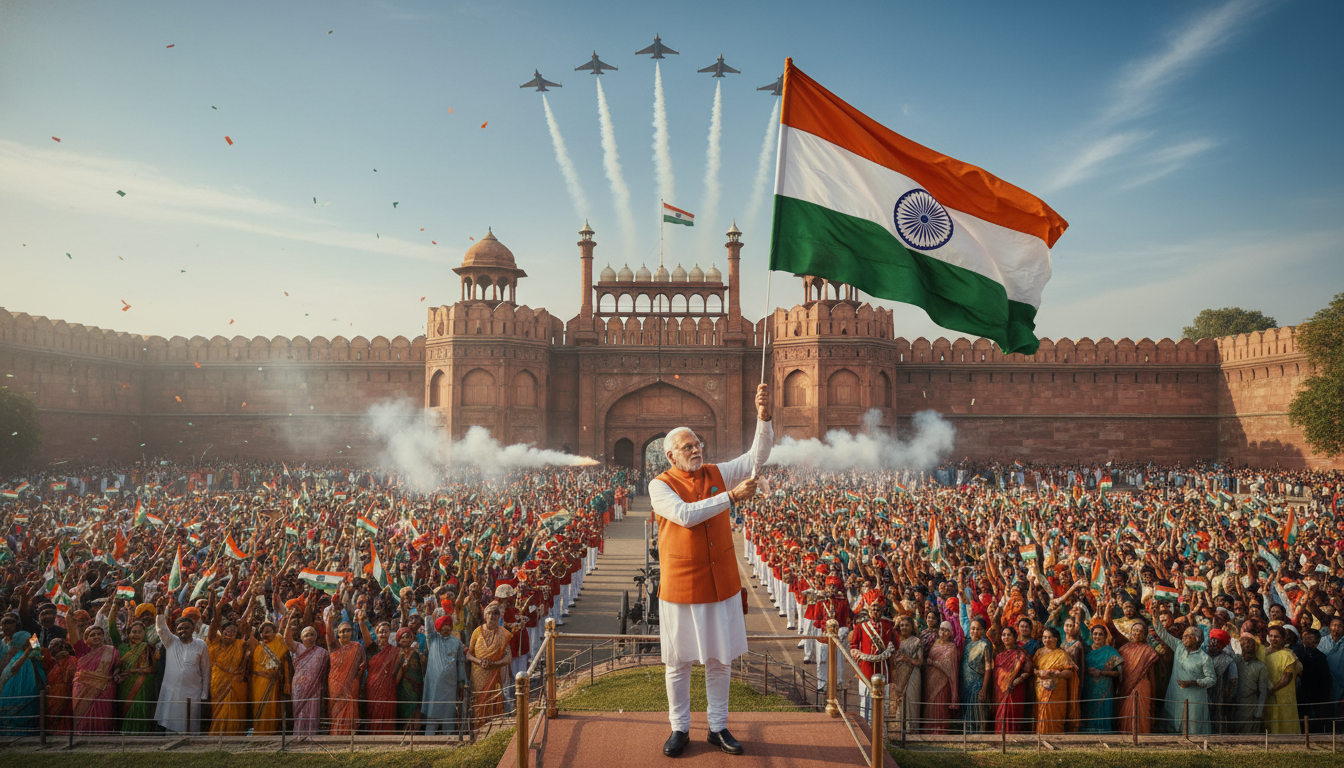
Introduction
Every year on August 15, a vibrant tapestry of pride, memory, and aspiration sweeps across India. India Independence Day isn’t just a date on the calendar—it’s the anchor of a nation’s identity, a reminder of its centuries-long struggle for freedom, and often (but happily) a cue for spontaneous, joyous celebrations. It’s imperfect, it’s passionate, and sometimes messy—but arguably, that’s what makes it so deeply human.
Let’s wander through the significance of this day, explore the historical journey leading up to it, and toss around some creative ideas to celebrate—modern style.
History and Significance of India Independence Day
A Century of Resistance and the Tryst with Destiny
India’s independence is rooted in over two hundred years of colonial rule, from the East India Company to the British Crown in 1858 . The Indian National Congress, founded in 1885, gradually galvanised the masses, fueling protest and reform through movements like Swadeshi, non-cooperation, and Quit India—all pledges of the public to steer India toward self-rule . The transformative leadership of Mahatma Gandhi, especially through non-violent resistance, added moral weight and mass appeal to the cause .
At midnight on August 15, 1947, Britain finally relinquished control, and India awoke as a sovereign nation—ushering in Nehru’s iconic “Tryst with Destiny” speech and the unfurling of the tricolor at the Red Fort in Delhi . The victory was bittersweet, shadowed by the partition and the resulting violence and heartbreak .
Symbols and Traditions That Anchor the Day
The Indian flag, with its saffron, white, green bands and central Ashoka Chakra, carries deep meaning—courage, peace, growth, justice—and was adopted just weeks before independence on July 22, 1947 . On every August 15 since then, public ceremonies feature flag hoisting, “Jana Gana Mana,” and Prime Minister’s address at Red Fort, broadcast to the nation .
Beyond the capital, the celebrations broaden into cultural performances, parades, kite flying, and, increasingly, colourful commercialism. In some northern districts like Nadia, West Bengal, the date is observed slightly later due to historical boundary miscommunication—showing again how the day weaves together symbolism and stubborn realism .
Modern Celebration Ideas: Tradition with Twist
Idea 1: Local Landmark Illumination
Picture this—an ancient fort bathed in saffron, white, and green lights on the eve of August 15. That’s what happened in Bathinda, Punjab—historic architecture transformed into a glowing tribute to freedom, drawing crowds and patriotism alike . It’s a simple, inclusive gesture that connects history with end-of-day magic.
Idea 2: Diaspora-Driven Festivals
In lively cities like New York, Indian Independence Day is observed as “India Day”—a week of pageantry, cultural shows, and community spirit . If you’re abroad or part of diaspora communities, pulling together a mini “India Day” with food stalls, traditional dances, and a flag rally can create meaningful cultural continuity.
Idea 3: Mall & Market Mania—Tricolor Overload
Bhubaneswar’s markets saw a literal tricolor rush. Caps, bangles, scarves, décor, all turned tri-hued. Even proceeds from some handcrafted items supported eco-friendly makers, making celebration socially conscious and vibrant . A straightforward but mood-lifting idea.
Idea 4: Community Music & Freedom Jam
In Bangalore, the Freedom Jam is a grassroots music festival held annually around August 15—artists from across genres just jam out for free in public spaces. Unique, creative, democratic—this is where tradition meets modern self-expression .
Idea 5: School Programs with a Creative Spin
Kids often get roped into singing patriotic songs or dressing as freedom fighters. But: why not encourage short plays imagining Gandhi in a modern setting, or produce digital “tryst with destiny” reinterpretations? It’s heartfelt and refreshingly imperfect.
Expert Reflection
“Independence Day is less a polished ceremony and more a living conversation with our past—messy, resilient, and full of hope.”
Think of it as a national dialogue: sometimes ceremonial, sometimes celebratory, always evolving.
Conclusion
India Independence Day stands as a potent mix of reflection and celebration—reminding us of the long, often painful journey to freedom, while inviting every generation to recontextualize what that means today. Whether through historic fort illuminations, diaspora gatherings, creative school events, or music jams, the day offers opportunities to be both reverent and playful. These celebrations tell stories—about where we’ve been and where we’re going. Keeping authenticity, inclusivity, and a dash of spontaneity in the midst of tradition is what makes the day live.
FAQs
What is the importance of August 15 in India?
August 15 marks India’s freedom from British rule in 1947. It’s the day when the Indian Independence Act took effect, and the nation emerged as a sovereign republic .
Why is the Indian flag significant?
The national flag’s colors and the Ashoka Chakra carry deep values—courage (saffron), peace (white), faith (green), and the law of dharma (Ashoka Chakra). Adopted days before independence in July 1947, it reflects India’s aspirations .
How are Independence Day celebrations typically organized?
Traditionally, celebrations include the Prime Minister’s flag hoisting at Red Fort, followed by a speech, patriotic songs, parades, cultural programs, and informal activities like kite flying .
How can communities celebrate creatively?
Communities can light historic landmarks in tricolor, organize local music or art events, host mini-India Day festivals abroad, run creative school programs, or promote eco-friendly tricolor merchandise in markets .
Why did Gandhi skip the first celebration?
Mahatma Gandhi was in Kolkata during the first Independence Day, fasting and appealing for communal peace amid partition violence—choosing compassion over ceremonial presence .
What is the Freedom Jam?
Freedom Jam is a grassroots music festival held in Bangalore around August 15, offering free public performances by local and visiting artists—a spontaneous, creative celebration of freedom .
