

 February 8, 2026
  7 Min
7 Min  No Comment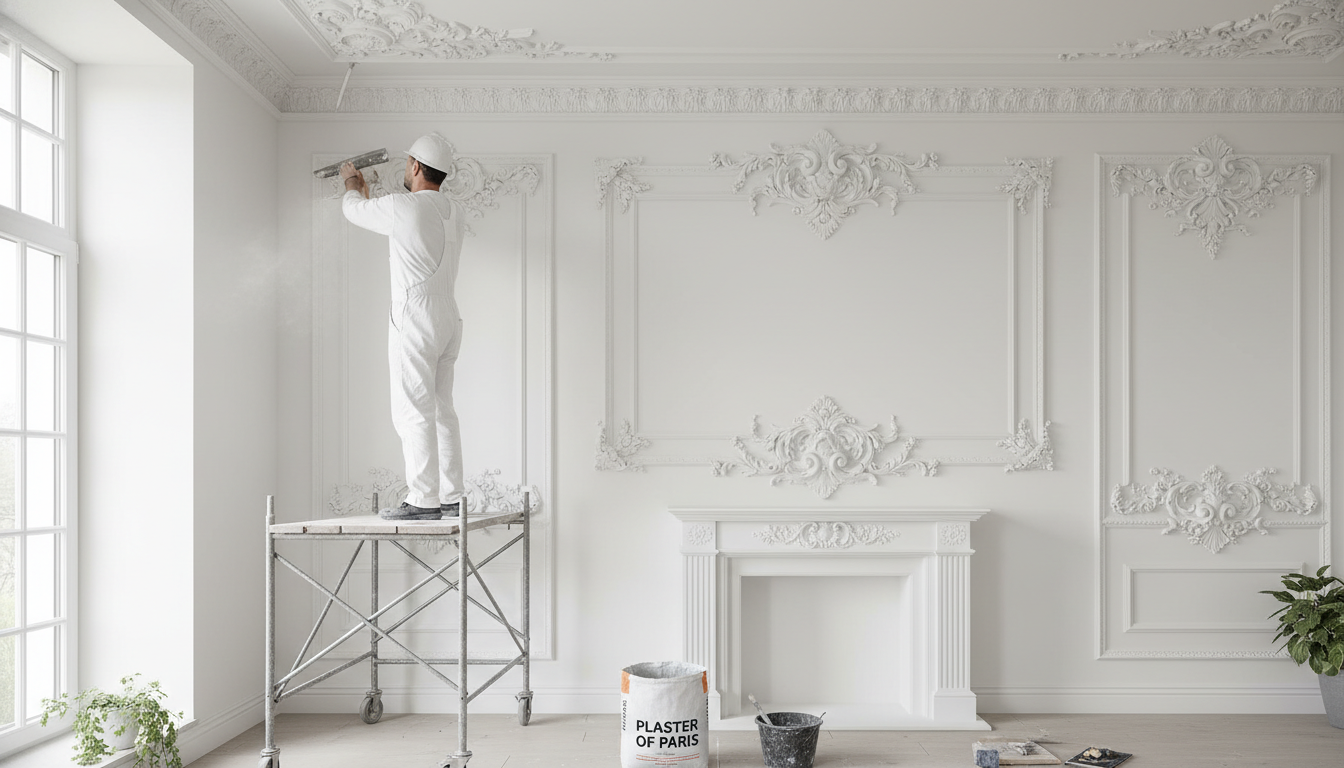
You might’ve come across Plaster of Paris in school art classes or simply seen it sitting in the craft aisle—unassuming but quietly ubiquitous. There’s an interesting duality at play: it’s both a humble building material and a creative powerhouse. Its ease of use and widespread availability make it a go-to for professionals and hobbyists alike. In this article, I’ll walk you through its origins, practical benefits, and creative applications (with a hint of casual asides like “just mix it carefully, ok?”), so you’ll see why it’s endured for centuries—despite some quirks and pitfalls.
The Origins and Chemistry of Plaster of Paris
Plaster of Paris—so named because it was historically made by heating gypsum mined near Paris—is really just a form of calcium sulfate hemihydrate. When you add water, it gently transforms (or aggressively, depending on your impatience) into a hard, workable form, making it ideal for casting molds, sculpting, and even medical uses like orthopedic casts.
Historical Snapshot
- This material has been used since ancient times; the Egyptians sometimes used gypsum mixtures for tomb decorations, while later, European artisans preferred it for architectural coatings and sculptures. It’s sort of the underdog of the classical arts, quietly dependable.
Chemistry at a Glance
- Chemically, it’s calcium sulfate dihydrate undergoing controlled dehydration. When mixed with water, it rehydrates, forming interlocking crystals that give it structure and strength—but don’t get cocky; timing and temperature matter. Mix too much at once, and it’ll turn to stone before you’re halfway done.
Practical Advantages and Everyday Utility
Plaster of Paris has a resilient charm. It’s not glamorous, but it gets the job done—and then some.
Quick Setting and Ease of Use
- One of its standout traits is how it sets quickly, offering a workable window that’s manageable but swift—so plan your steps. Whether you’re patching a wall or doing a clay-like sculpture, it responds well when you stick to recommended water-to-powder ratios.
Versatility Across Domains
- In the building industry, it’s used for smooth ceiling finishes or decorative trims (think corbels and medallions). In art studios and classrooms, it’s beloved for casting again and again. In medicine, gypsum casts—yeah, it’s basically plaster—help immobilize fractures, which admittedly, makes me crazy grateful for modern alternatives but respect the tradition.
Cost and Accessibility
- You’d be hard-pressed to beat the value it offers: inexpensive, broadly available in hardware stores, and requiring just water to activate. Yet, don’t underestimate the need for safe handling—dust masks and ventilation remain necessary precautions.
“In practice, Plaster of Paris offers a rare blend of immediate usability and adaptability—an unsung hero across construction, art, and medical fields.”
Application Techniques: From Smooth Finish to Intricate Sculptures
You know that moment when a mixture starts setting faster than expected, and you kind of freak out? That’s where knowing your techniques can save both your nerves and your project.
Basic Mixing and Troubleshooting
- Start with clean, room-temperature water. Add plaster slowly, stirring to avoid clumps. Got lumps? Strain or remix—don’t force poor consistency; it’ll show in the final result.
- If it sets too fast: cool water helps a bit. Too slow? Slightly warm water can do the trick—or give you heart palpitations if you’re in a rush.
Molding and Sculpting Best Practices
Molding Tips
- Pour gently into molds, tapping out air pockets so your final cast isn’t riddled with bubbles. Let it sit until it hardens sufficiently but don’t rush—I know, tempting, but patience pays off.
Sculpting Insights
- Use it like clay while wet, carve when it’s still leathery, and sand when hardened—but gently. It can turn dusty if you go wild with sanding.
Surface Finishing and Painting
- Once dry, plaster can be sanded with medium to fine grit. Prime it if you’re painting—unprimed surfaces are thirsty and might suck up your paint (and the joy out of it too).
Real-World Examples and Creative Use Cases
Here’s where stories spice things up a bit—pop culture, home projects, or practical fixes. Let me meander through a few favorites:
Architectural Decor Done Cheap and Swift
- Many homeowners replicate ornate ceiling rosettes without breaking the bank by using plaster for historical replication—customized, yet affordable.
Classroom Sculptures That Show Growth (and Imperfection!)
- Students often learn about growth, patience, and imperfection when a plaster mold cracks or sets unevenly. Teachers gently say, “Ah well, next time you’ll pour more evenly,” and suddenly it’s a lesson in life, not just art.
Quick, On-the-Fly Fixes
- I once helped a neighbor patch a cracked wall during a power outage (of course). With candlelight and plaster, we managed a workable patch—improvised, yes, but functional. That shows its utility beyond the planned workshop.
Safety and Environmental Considerations
Okay, time for the not-so-fun part—but necessary.
Health Risks and Handling Precautions
- Plaster dust can irritate your eyes, nose, and lungs. Use a mask if mixing dry powder. Wash hands after contact, especially if you’re prone to dry skin—a bit of moisture loss might surprise you.
Disposal and Environmental Footprint
- It’s not toxic, but dumping large amounts down drains isn’t ideal—they can set and clog pipes. Better disposal: let it harden, then treat as inert waste. But consider the environmental impact of mass production—gypsum mining and transport aren’t exactly zero-emission. Small-scale users don’t need to panic, yet awareness matters.
When to Explore Alternatives
Sometimes you want Plaster of Paris, but other times you need something else—tech that suits modern needs, or at least a thoughtful alternative.
Faster or Slower Setting Options
- Want more working time? Look into plaster with retardants or specialty casting compounds. Need ultra-quick setting for medical or emergency uses? Modern synthetic gypsum-based compounds often outperform traditional mixes.
Tougher Materials
- If impact resistance or moisture resistance is vital—like for outdoor decor—think modern polymers or resins. They’re pricier, but they bring robustness where Plaster of Paris wouldn’t survive a rainstorm or a stray ball.
Conclusion: Embrace Its Practicality, But Be Smart
Plaster of Paris remains a quietly awesome material—familiar, affordable, and surprisingly versatile. It shines when you need quick-setting molds, decorative flourishes, or makeshift repairs. But it isn’t flawless: mind your timings, health precautions, and limits. For stronger, longer-lasting, or moisture-resistant projects, pairing it with modern materials—or opting for alternatives—can make all the difference. So mix wisely, tap gently, and give yourself room to learn from small mishaps—they often teach more than the perfect cast could.
FAQs
What exactly is Plaster of Paris?
It’s a form of calcium sulfate hemihydrate that hardens when mixed with water, used in art, construction, and medicine for casting and coating.
How long does it take to set?
Generally, it begins setting within minutes and hardens fully in an hour or so—but factors like temperature, mixture consistency, and additives affect that, so test small batches first.
Is it safe to use inside?
Yes as long as you use it with ventilation and a dust mask during mixing, since inhaling fine gypsum particles can irritate your respiratory tract.
Can I paint plaster without priming?
You can, but it may absorb paint unevenly. Priming first helps achieve an even, lasting finish.
What’s the best way to store leftover plaster?
Keep it sealed in a dry container—moisture will ruin it. If it’s already hardened or contaminated, treat it as non-hazardous waste rather than flushing it.
Is Plaster of Paris eco-friendly?
Not entirely—the production involves mining and energy use. That said, small household or educational uses have minimal environmental impact, though it’s good to be mindful and avoid unnecessary waste.
