 March 8, 2026
  7 Min
7 Min  No Comment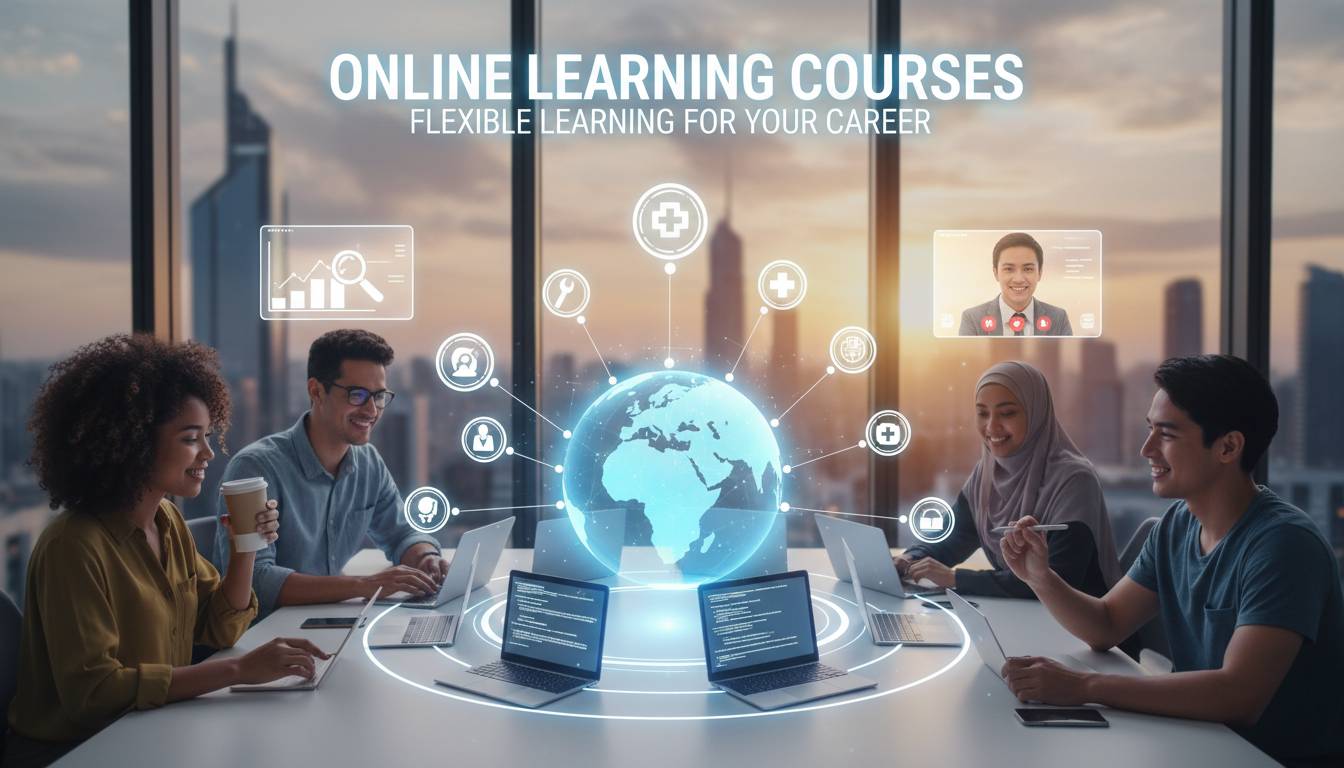
Online learning has changed how Americans pursue education and career advancement. Millions of courses across dozens of platforms let people access instruction from top institutions without leaving home. This guide covers the leading platforms, what they offer, and how to pick the right course for your goals.
Understanding Online Learning Courses
Online courses deliver instruction through internet-based platforms. These range from free video lectures to comprehensive degree programs costing thousands of dollars. The market has grown massively—platforms report tens of millions of enrollments.
Working professionals, parents, and students appreciate the flexibility. Online courses let you progress at your own pace, rewatch difficult concepts, and study when it fits your schedule. This adaptability has made online learning a major part of how people develop professionally today.
Modern platforms use learning management systems that track progress, facilitate discussion, and provide feedback through quizzes and assignments. Many courses include interactive elements like virtual labs, forums, and peer-reviewed projects—creating experiences that rival in-person alternatives.
Top Online Learning Platforms in the US
Several major platforms dominate the market, each with different strengths. Understanding these differences helps you decide where to spend your time and money.
Coursera: University-Backed Excellence
Coursera partners with over 200 universities and organizations to offer courses, certificates, and degree programs. The platform stands out for academic credibility—courses come from Stanford, Yale, and the University of Michigan, among others. You can take individual courses, complete specialization tracks, or enroll in full degree programs from bachelor’s to master’s level.
Coursera had roughly 77 million learners as of early 2024. Completion rates vary widely depending on how much time you commit and how difficult the course is. The platform offers free audit options and paid certificates, so you can preview content before paying.
Udemy: Massive Course Library
Udemy hosts the largest public course catalog—over 200,000 video courses covering everything from programming to personal development. The marketplace model lets instructors worldwide create and sell courses, giving the platform enormous breadth. If you need something highly specific, you’re more likely to find it here than on larger platforms.
Udemy runs frequent sales, with courses often under $20. This works well for self-directed learners who want to explore various topics without committing to structured programs. The trade-off is that quality varies more than on institutionally-backed platforms.
edX: Ivy League Education Online
MIT and Harvard founded edX, giving it access to courses from these schools plus dozens of other universities worldwide. The platform emphasizes academic rigor and offers verified certificates. You can pursue micromasters programs, professional certificates, and full degrees.
edX keeps many courses free to audit—you pay only for certificates or degrees. The platform serves over 20 million learners globally, with particularly strong offerings in STEM, business, and data science.
Skillshare: Creative Skills Focus
Skillshare targets creative professionals and hobbyists interested in design, illustration, photography, and animation. The subscription model gives unlimited access to over 30,000 courses for a monthly fee, encouraging exploration across creative disciplines. This works well for visual artists building diverse skill sets.
Instructors include established creative professionals providing practical, industry-relevant instruction. Skillshare isn’t ideal for technical or business education, but it excels in creative fields where portfolio development matters more than formal credentials.
LinkedIn Learning: Career Development Hub
LinkedIn Learning integrates with the professional networking platform, offering courses in business, technology, and creative skills. With LinkedIn’s massive user base, the platform focuses on career skills that match what employers want. You can display completed courses directly on your LinkedIn profile, showing potential employers what you know.
The platform has over 16,000 courses taught by industry professionals, with new content weekly to cover emerging skills. Enterprise subscriptions let businesses provide employee training, making it popular for corporate learning initiatives.
How to Choose the Right Online Learning Platform
Picking the right platform means evaluating several factors against your goals.
Accredition and Recognition: If credentials matter, prioritize platforms offering certificates from recognized institutions or industry leaders. Coursera and edX degree programs carry academic weight similar to traditional campus programs. Professional certificates from platforms like LinkedIn Learning show skills your industry values.
Learning Format Preferences: Different platforms suit different learning styles. Some people thrive in structured programs with deadlines and peer interaction; others prefer self-paced exploration. Coursera and edX tend toward structure, while Udemy and Skillshare offer more flexibility.
Budget Considerations: Costs vary widely. Free courses exist on most platforms, though paid options typically add features, certificates, or project feedback. If you learn frequently, subscription models like Skillshare make sense. If you take courses occasionally, pay-per-course works better.
Subject Matter Requirements: Platform strengths differ by field. Technical learners might prefer Coursera’s computer science offerings; creative professionals may get more from Skillshare. Check course previews and instructor credentials to make sure content matches your interests.
Benefits of Online Learning Courses
Online learning offers advantages beyond convenience—involving money, career, and personal growth.
Cost Efficiency: Online courses typically cost far less than traditional education. A university course might run $1,000 or more; comparable online instruction often ranges from $20 to $200. Degree programs save even more—online master’s degrees often cost 60-80% less than campus alternatives.
Career Advancement: Professionals increasingly use online courses to gain skills for promotions, career changes, or raises. Industries with rapid skill evolution, especially technology and data science, value online certifications. Many employers now accept online credentials alongside traditional qualifications.
Skill Personalization: Online learning lets you customize your education. Instead of following rigid curricula, you pick courses addressing your specific gaps. This targeted approach accelerates professional development by focusing on knowledge you can use immediately.
Accessibility: Online learning removes geographic barriers. Rural learners, people with mobility challenges, and caregivers can pursue education that previously required physical attendance. This expands educational opportunity across backgrounds.
Conclusion
Online learning has changed access to professional education in the United States. From free individual courses to complete degree programs, people at every career stage can find instruction matching their goals. The major platforms—Coursera, Udemy, edX, Skillshare, and LinkedIn Learning—each offer different advantages, so choosing carefully matters.
The flexibility, affordability, and quality of online learning keep improving as platforms refine their offerings. Whether you’re advancing your career, exploring new fields, or earning formal credentials, online courses provide real pathways to learning goals. Pick the right platform, commit to completion, and you can develop skills that translate into professional and personal success.
Frequently Asked Questions
Are online courses as valuable as traditional classroom education?
Courses from reputable platforms carry real value, especially for skill acquisition and professional development. Many employers now view online credentials equally with traditional qualifications, particularly for positions requiring specific technical skills. Some fields needing hands-on practice or licensure may still prefer traditional education.
How much time do online courses require?
Time varies by course length and complexity. Individual courses might need 2-10 hours total; certificate programs typically demand 3-6 months of consistent study. Most platforms let you progress at your own pace while keeping access to materials indefinitely.
Do employers recognize certificates from online platforms?
Coursera, edX, and LinkedIn Learning maintain strong employer recognition, especially for professional certificates and degrees. Credentials from well-known universities carry particular weight. Recognition varies by industry and employer, so research specific company preferences before pursuing certifications.
Can I get a job with online courses alone?
Many professionals successfully change careers using online credentials, particularly in technology, digital marketing, and data science. Combining certifications with relevant experience and a strong portfolio improves your chances. For fields requiring specific degrees, online degree programs provide legitimate alternatives to traditional education.
What are the most in-demand online course categories?
Technology courses—programming, cloud computing, AI—consistently rank among most in-demand. Business and finance courses, especially data analytics and project management, also show strong demand. Creative skills like graphic design and video production remain valuable as digital content creation grows.