

 February 10, 2026
  7 Min
7 Min  No Comment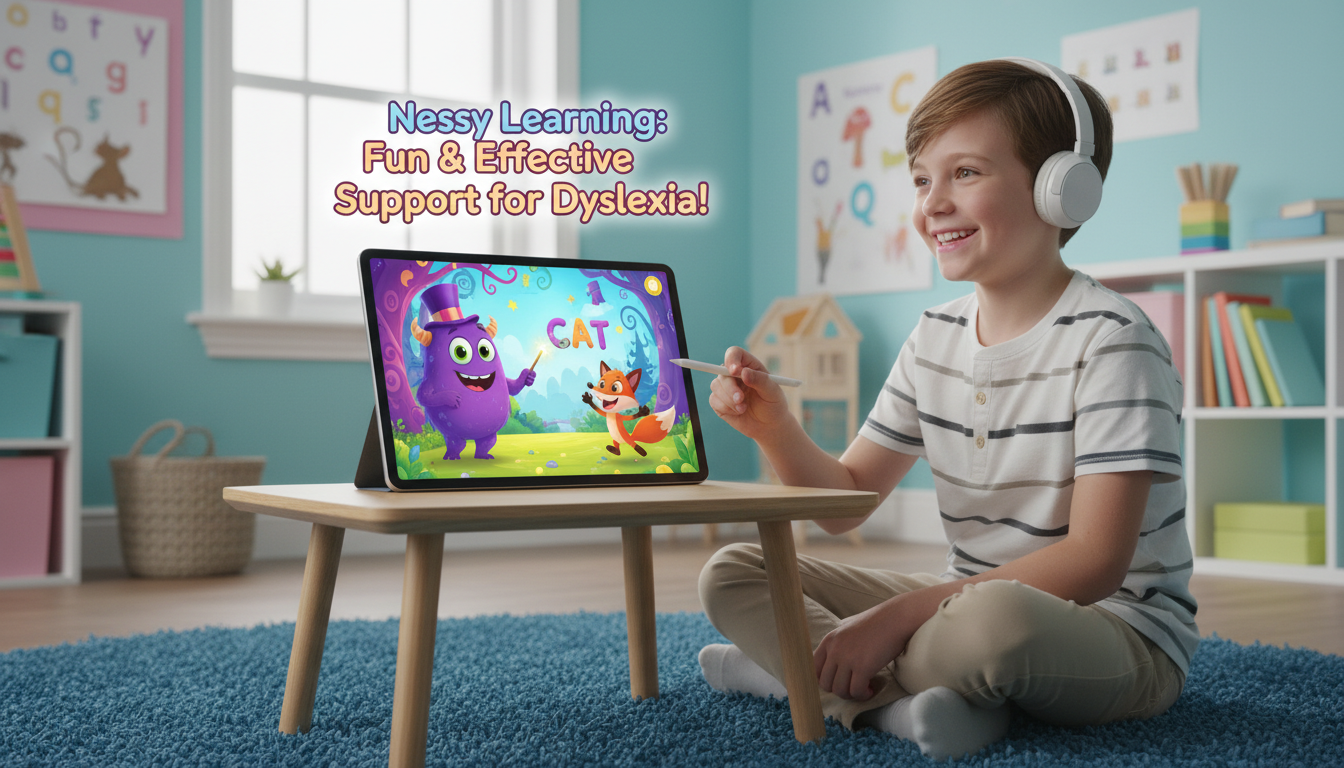
Imagine a program that feels more like a playful adventure than remedial work—that’s Nessy Learning in a nutshell. Rooted in evidence-based strategies, it presents reading, writing, spelling, and phonics through colorful animations and gamified challenges. The tone isn’t clinical; there’s a friendly, encouraging vibe that might just make kids say, “Hey, this is fun,” while sneaking in skill-building beneath the surface.
Of course, real learning isn’t all sunshine and rainbows. There might be occasional pauses where attention drifts or the novelty wears off. Still, Nessy manages to weave in repetition, positive feedback, and incremental challenges that adapt over time. It’s this blend of structure and delight—balanced, unpredictable, a bit haphazard in its charm—that sets the stage for how learners stay engaged and grow.
Educational Foundations Behind the Gamified Approach
Fun Meets Science: Why Gamification Resonates
Games aren’t just entertaining—they tap into cognitive hooks like motivation, reward, and repetition. Especially for young learners or those with dyslexia, playful interludes can defuse frustration and reinvigorate effort. One expert in literacy education noted:
“Empowering a child with immediate positive feedback and playful challenges allows them to build confidence alongside skills.”
In practice, Nessy incorporates phonics mini-games, memory tasks, and structured spelling quests. The repetition is there, but you rarely feel bogged down by it—progress feels earned, not forced.
Phonics and Multi-Sensory Learning in Action
Multi-sensory strategies—using visual, auditory, and kinesthetic cues—are especially effective for dyslexic learners. Nessy’s approach includes:
- Highlighted text that changes color
- Narration of letters and words
- Interactive tracing and letter shaping
These could help learners switch on multiple neural pathways, aiding recall and orthographic mapping. That said, the tech isn’t flawless; some students might need one-on-one guidance to translate digital cues to real-world reading fluency.
Real-World Context and Anecdotal Evidence
Across classrooms and homes, the anecdotal evidence for Nessy is compelling. Teachers report that hesitant readers seem more willing to try challenging words after a few fun sessions. For instance, a second-grade teacher observed that:
- Timid students who avoid reading aloud often volunteer during Nessy lessons.
- Children celebrate leveling up in games—without prompting.
Still, it’s not a silver bullet. Some kids plateau, needing extra scaffolding or alternating with offline multisensory practice. One parent shared that progress slowed after initial leaps, leading them to supplement with small-group phonics sessions.
That kind of nuance matters. Nessy isn’t a substitute for expert intervention—but these real-world glimpses affirm how it can enrich a broader reading support strategy.
Structuring Nessy in a Learning Ecosystem
A Layered Strategy: Screening and Sequencing
Here’s one way to think about integrating Nessy:
- Begin with screening tools to pinpoint literacy gaps (e.g., phonemic awareness, decoding).
- Introduce Nessy for targeted, engaging remediation.
- Monitor progress with quick assessments to catch stalls or missteps.
- Layer in teacher or therapist-led mini-lessons when needed.
This layered model keeps Nessy from feeling like a solo act. Instead, it becomes part of an orchestration—where games and guided instruction play complementary roles.
Benefits and Practical Constraints
Benefits:
– Lowers affective barriers to learning with engaging design
– Encourages self-paced, independent exploration
– Scales across classroom or home environments
Constraints:
– Less effective without supervision or motivation
– May plateau without diverse input or offline reinforcement
– Not fully tailored to unique dyslexic profiles (e.g., rapid naming issues)
Broadly speaking, Nessy shines when it’s part of a blended approach—bringing fun to fill gaps that conventional materials sometimes feel too dry to address.
Quotes from Users and Educators
Teachers and parents often express appreciation:
“When kids wake up on the wrong foot and you hand them Nessy, they light up again.”
“It doesn’t feel like drilling; it’s more like leveling up a game, and reading happens along the way.”
These statements capture that subtle alchemy between efficacy and enjoyment—real, imperfect sentiment that underscores why Nessy resonates.
Choosing Nessy: Key Considerations for Diverse Learners
1. Learner Profile and Needs
Dyslexia isn’t monolithic—profiles vary. For learners struggling primarily with decoding, Nessy’s phonics-focused games may offer a strong fit. But for those with broader language or processing delays, it’s wise to layer in complementary supports—like structured vocabulary sessions or speech-language exercises.
2. Support Structure at Hand
A student working solo at home might need more consistent monitoring—setting clear goals, offering incentives, celebrating milestones. In schools, pairing Nessy with teacher-led small groups or peer reading buddies can build accountability and community.
3. Engagement Dynamics
Not every student responds to computer-based games. Some need more tactile or social prompts. Rotating Nessy with hands-on letter tiles, storybook reading, or dictation exercises can help maintain motivation and reinforce learning through varied channels.
Strategic Alignment with Education Goals
Embedding Nessy within broader literacy objectives can elevate its impact:
- Goal alignment: Match game-level outcomes to curricular milestones (e.g., mastering common phoneme–grapheme correspondences by a certain grade).
- progress tracking: Use Nessy’s dashboards to observe word recognition growth, then cross-check with formal assessments.
- adaptive pacing: Increase task complexity only as foundational skills consolidate, ensuring fluency isn’t sacrificed for novelty.
By doing so, educators and parents preserve academic integrity, even in a playful learning environment.
Conclusion: Balancing Fun and Fundamentals
Nessy Learning strikes a compelling balance—infusing evidence-based phonics and multi-sensory tactics into a gamified wrapper that feels alive, not forced. It injects joy into what’s often laborious, improving engagement and potentially accelerating early decoding gains. Yet, its strengths unfold most fully when nestled within a scaffolding of assessment, teacher expertise, and varied instructional formats.
For learners with dyslexia, that blend often matters more than any tool alone. When Nessy is tethered to deliberate planning, monitoring, and human interaction, it transforms from a charming novelty into a strategic asset.
FAQs
What exactly is Nessy Learning, and who benefits most?
Nessy is a reading support platform using games, animations, and phonics to help learners—especially those with dyslexia—build skills. It tends to benefit young or reluctant readers who respond well to playful repetition, but works best when supplemented with guided instruction.
Can Nessy replace a specialized dyslexia intervention?
No—Nessy isn’t a standalone clinical program. It’s best used as part of a multi-tiered system where educators or therapists deliver tailored lessons alongside Nessy’s engaging practice.
How do parents or teachers track progress with Nessy?
Nessy offers in-platform tracking that shows completion of tasks and progression through phonics levels. Best practice is to cross-reference that data with offline assessments or observation to ensure comprehension and retention truly stick.
Does Nessy use evidence-based teaching methods?
Yes—it draws on phonics instruction, multi-sensory approaches, and gamification principles grounded in educational research. Still, outcomes vary, and results depend on consistent use and supportive learning environments.
How can I keep a learner motivated using Nessy at home?
Set small, achievable goals; celebrate each level or badge; mix Nessy sessions with offline fun activities; and gently monitor progress—cheers and check-ins help anchor learning in accountability and encouragement.
Any tips for combining Nessy with classroom teaching?
Integrate Nessy’s themes into read-alouds, group word games, or writing prompts. Sync game lessons with upcoming spelling tests or phonics units. That way, the digital and traditional experiences reinforce each other, creating a cohesive learning rhythm.
