
 February 7, 2026
  7 Min
7 Min  No Comment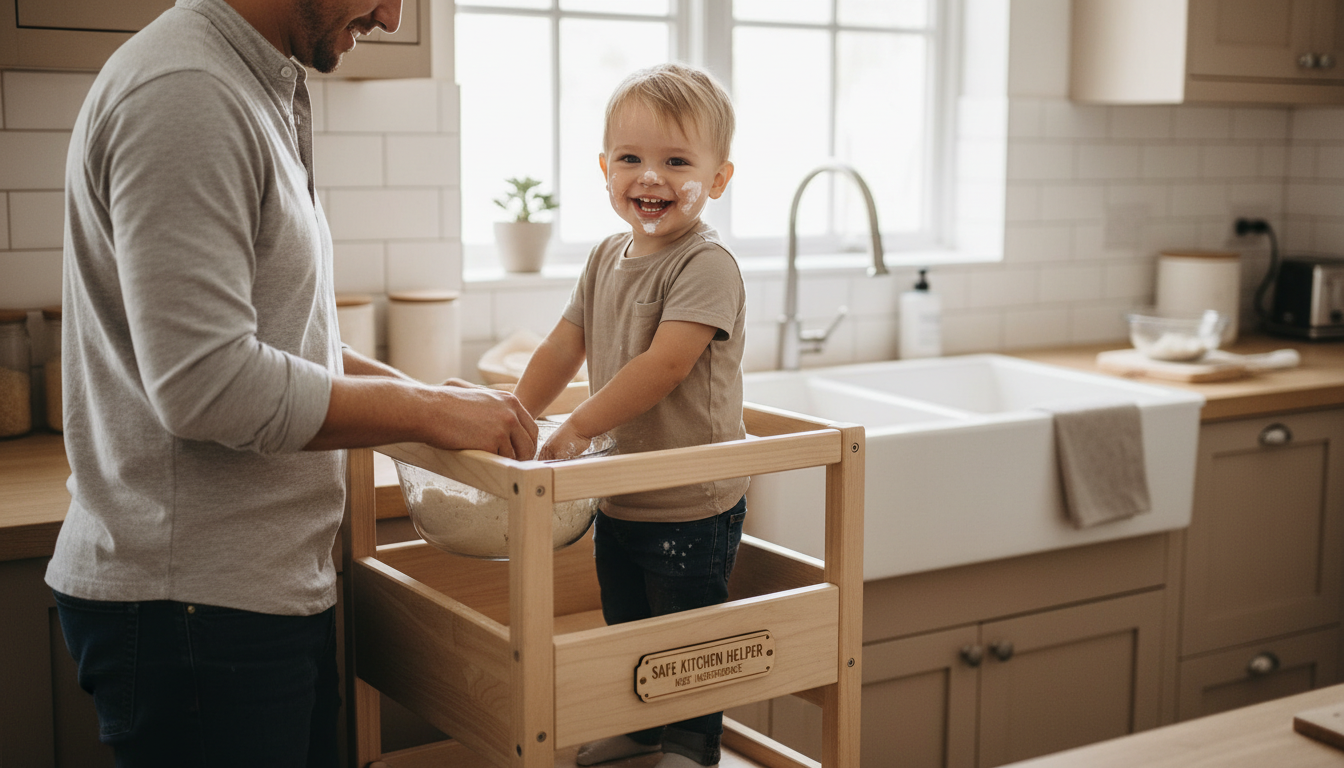
Watching a curious toddler reach up to stir something in the mixing bowl can be both adorable and nerve-wracking. Enter the Learning Tower—a sturdy, step-ladder-like platform designed to bring little ones safely to counter height. It’s less about towering over the kitchen and more about empowering a budding mini-chef. With a mix of tangible benefits, a bit of playful chaos, and everyday insights, the Learning Tower stands out as both a practical piece of gear and a symbol of independence. Let’s unpack why this humble tool might just be the kitchen accessory your family didn’t know you needed.
Why Learning Towers Make a Difference
Empowering Independence from Day One
Kids love being part of what’s happening—especially when it comes to food. The Learning Tower tucks that urge into a safe, structured setup. Beyond mere convenience, it subtly communicates trust: “You’re tall enough, you’re strong enough, you can help.” And that can do wonders for boosting confidence even in tiny toddlers.
Safety Meets Participation
Contrary to wobbly chairs or bent-over counter-climbing, the Learning Tower offers a secure, enclosed standing area. This design reduces the risk of falls while making room for shared activities—from whisking batter to stirring soup. It’s an elegant way to merge safety with supervision.
Flexibility for Growth
Many models are adjustable or convertible to fit toddlers of different heights. A versatile Learning Tower can evolve over time—stretching along with your child’s adventurous spirit and growing frame.
Real-World Applications and Everyday Scenarios
Morning Pancake Chaos
Imagine this: a three-year-old with flour-dusted cheeks grabbing the whisk for the third time, exuding pure delight. The Learning Tower puts that stirring arm within reach and keeps little flour bombs (and serious spills) contained. It’s kind of messy, but happy messy—the good kind.
Baking with Grandma or Grandpa
Family traditions often start cooking in the kitchen. Whether rolling dough or cracking eggs, the tower turns a shared recipe into an interactive lesson. Grandparents talk, kids listen, hands measure—everyone’s present, safe, and engaged. It’s about making food memories, not just meals.
Independent Snack Prep
We’ve all seen it: a kid desperately wanting to slice a banana. With adult-standing gaze and a secure standing platform, they get that sense of “I did it,” with less worry. Guidance is there if needed, but the “you can” moment is unmistakable and often wildly thrilling for both adult and child.
Case Study: Everyday Parenting Win
One parent shared a snapshot of their five-year-old pouring cereal while balancing on a Learning Tower. The real win? Less crying over spilled milk and an actual high-five moment instead of a tantrum. Little wins like these stack up to giant leaps in parenting sanity and child autonomy.
“Kids don’t just need help—they need space to explore. The Learning Tower offers both: safety wrapped in empowerment.”
Navigating Features: What to Look For
Sturdiness and Build Quality
A Learning Tower isn’t just a prop—it’s a structure that holds wiggling energy. Opt for models made from solid wood or reinforced plastic with wide bases. Even if perfect balance is elusive (kids, you know), the tower should feel stable enough through the twirls and toddler jumbles.
Height Adjustability
Budget for growth by choosing one with adjustable steps. A lofted toddler stage is perfect when the child is tiny, but you’ll be thankful for adjustment options once they’re stretching out. Some even convert into a desk or chair once the counter days are past!
Cleaning and Maintenance
Kitchens are messy, let’s be honest. Surfaces should wipe down easily and withstand sticky fingers. Consider towers with sealed finishes or removable pads that make pre-meal cleanup a breeze—because magic ingredients often double as mess catalysts.
Storage and Portability
If your kitchen space is tight, collapsibility becomes crucial. Some designs fold flat or disassemble quickly, letting you stow them behind doors or under counters. Even better if you have a multi-use playroom or limited storage nooks.
Beyond the Kitchen: Other Uses That Surprise
Art Station for Mini-Masters
Beyond snack time, the tower doubles as an art station. Kids can paint, sketch, or glue while reaching higher shelves with supplies. It’s less about mess and more about moments of creative empowerment.
Handy Helper for Household Tasks
Washing dishes? Sorting mail? Folding towels? Ever-handy, the tower transforms into a mini-step stool for tasks that usually demand assistance. And yes, it still keeps the kiddo safe while they help empty the dishwasher.
Classroom-friendly Variant
Some pre-schools and Montessori environments use similar step platforms for shared learning. When paired with child-sized tables, they foster independence and collaborative learning. Educational supply stores have taken note—so there are classroom-ready models out there too.
Pros & Cons: Balanced View
Advantages
- Encourages independence and motor skills
- Enhances participation in everyday routines
- Reduces accidents compared to precarious climbing
- Long-term usability through adjustable designs
Potential Drawbacks
- Occupies floor space in smaller kitchens
- Requires occasional supervision—after all, tots wiggle!
- Can be a costly investment depending on materials and brand
- Cleaning and upkeep need to be consistent, especially with flour and spills
To put it in perspective, the decision often hinges on where you fall on the “creative mayhem” vs. “orderly cooking” spectrum. If you’re leaning towards collaborative chaos, it’s a clear yes.
Conclusion
The Learning Tower might feel like an indulgent purchase at first glance, but it’s more of an investment in trust, autonomy, and connection. By merging safety with shared experience, it reshapes the kitchen from a place of potential hazards to one of mutual discovery. Whether it’s batter splatters or art-time scribbles, these elevated hands-on moments lay the groundwork for confident, curious, capable kids. A small purchase, yes—but with big impact.
FAQs
Can a Learning Tower replace constant supervision?
Not entirely. While it enhances safety, adult supervision still matters—especially during messy cooking sessions or when sharp utensils are involved. The tower is a tool, not a substitute for attentive care.
At what age is a Learning Tower most useful?
Typically, they’re great from about 18 months to early school age, depending on model adjustability. Once a child can stand steadily and follow simple instructions, the tower becomes most beneficial.
Is it difficult to clean or maintain?
That depends on material. Sealed wood or sealed plastic surfaces generally wipe clean quickly, especially with a damp cloth. Always choose finishes that resist food stains and are easy to sanitize.
How much space does it take up in a typical kitchen?
Though footprint varies, many towers are comparable in size to a small side table. If space is limited, look for foldable designs or ones that stack flat when not in use.
Do Montessori or educational institutions use similar models?
Yes, many early childhood educators use step platforms like Learning Towers to foster independence in classroom tasks. They’re staples in environments that emphasize self-directed learning and hands-on participation.
Are there safer alternatives if I’m on a tight budget?
Simple step stools or chairs can work, but they often compromise on safety or stability. If budget is a concern, consider DIY versions with reinforced sides and non-slip surfaces—but always prioritize balance and adult supervision.
Word Count: Approximately 1,080 words.
