

 December 12, 2025
  6 Min
6 Min  No Comment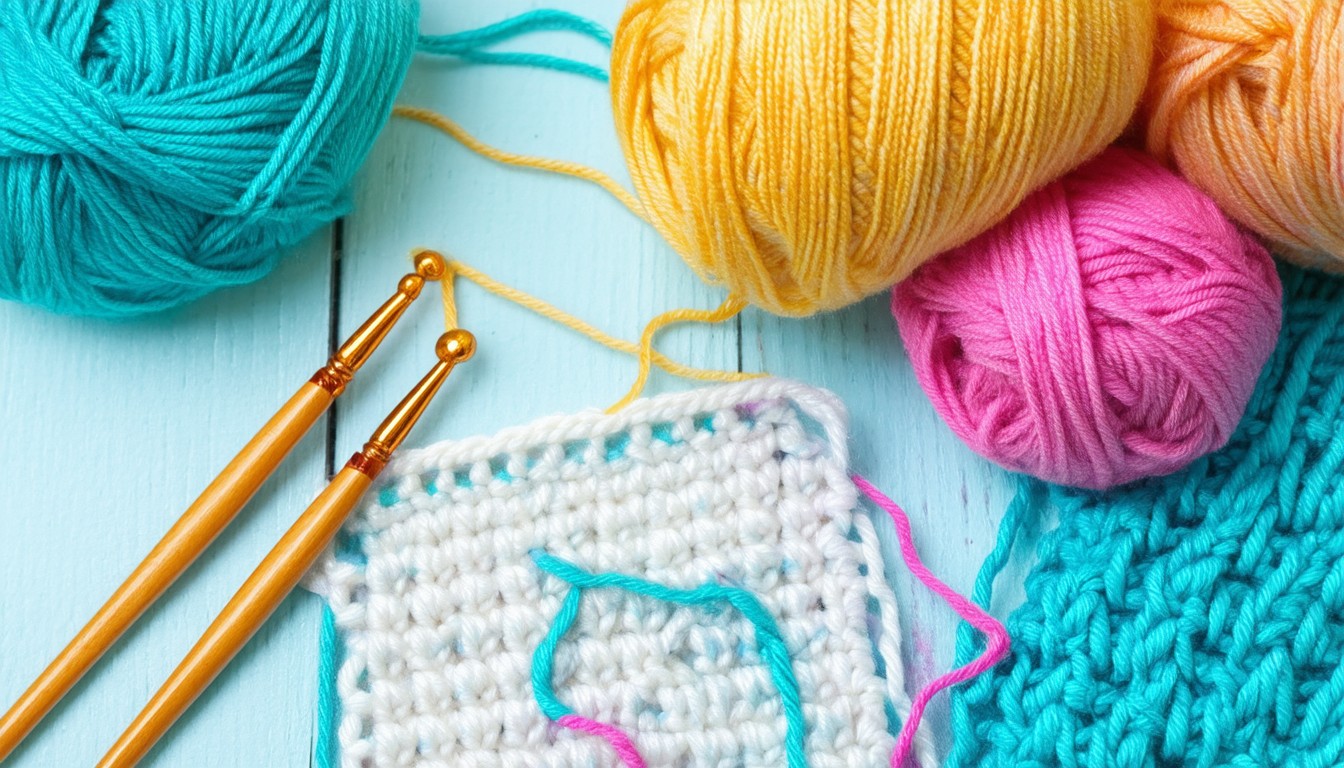
Crocheting has experienced a notable revival, as more people seek creative, calming hobbies that lead to tangible results. Once associated mostly with previous generations, crochet has become a popular pastime for all ages, fueled by the wider crafting movement and the accessibility of online learning. Whether you’re aiming to craft your first cozy scarf or hoping to join a vibrant community of makers, learning to crochet opens the door to a world of texture, color, and creativity.
Essential Crochet Tools and Materials
Before diving into yarn and patterns, assembling the right tools lays the foundation for success. A beginner’s crochet kit is refreshingly simple, typically requiring just a few key items:
- Crochet hooks: Most newcomers start with a medium size (like 5mm/H-8), which works well with standard yarn weights.
- Yarn: Smooth, light-colored worsted weight yarn is ideal for beginners, as it makes stitches easier to see and handle.
- Scissors and yarn needle: For cutting and weaving in ends.
- Stitch markers (optional): Help keep track of stitch counts or rounds.
When choosing materials, opt for affordable and durable supplies from reputable brands. Large retailers and local craft stores often offer beginner “learn to crochet” kits that bundle essentials and instructions, which can help ease the intimidation factor.
“The secret to a stress-free start is a straightforward toolkit: one hook, one yarn, and a willingness to make a few mistakes. Mastery comes stitch by stitch,” says Marly Bird, renowned fiber arts educator.
Understanding Basic Crochet Stitches
The language of crochet centers on foundational stitches, each building upon the last to form intricate designs. Early progress often relies on just a handful of techniques:
Making a Slip Knot and Foundation Chain
Every crochet project begins with a slip knot and a foundation chain. This process establishes your project’s width and provides the base for your first row of stitches:
- Form a loop with the yarn, pull another loop through with your hook—this is your slip knot.
- Yarn over and pull through the loop to make chains, counting as you go.
Single Crochet and Double Crochet
With your foundation chain in place, you’ll encounter two fundamental stitches:
- Single crochet (sc): Insert hook into the chain, yarn over, pull up a loop, yarn over again, and pull through both loops.
- Double crochet (dc): Yarn over, insert hook, yarn over, pull up a loop, yarn over, pull through two loops, yarn over, pull through the final two loops.
These stitches can be combined and varied, paving the way for more complex patterns and textures.
Reading Crochet Patterns
Crochet patterns use abbreviations and diagrams. Beginners benefit from explicitly written patterns and stitch-by-stitch video tutorials. Over time, as you become more comfortable, pattern-reading will develop into a familiar language, unlocking a wider range of designs.
Step-by-Step: Your First Crochet Project
Applying new skills to a starter project builds both confidence and muscle memory. A basic scarf or dishcloth, relying chiefly on rows of single or double crochet, makes an excellent introduction.
Preparing Your Workspace
- Choose a quiet, well-lit area with room to spread out.
- Keep supplies organized in a project bag or bin.
- Use a notebook or digital tool to track your progress and note questions or mistakes.
Starting Your Project
- Slip Knot & Foundation Chain: Make a slip knot, then chain around 20–30 stitches for a small scarf.
- Working Rows: Turn your work, begin single crochet across each row, chaining one at the end to turn.
- Finishing: When your project reaches the desired length, cut the yarn, leaving a few inches. Pull through, secure, and weave in the ends.
Mistakes are normal—most beginners unravel and redo their stitches several times. Each error is a learning opportunity.
Building Confidence With Community and Resources
Beyond solo efforts, learning to crochet has never been more social. Community platforms, YouTube tutorials, and local yarn stores create a robust support system for new crocheters.
The Role of Online Communities
Social media groups, such as those on Facebook and Reddit, along with global communities like Ravelry, invite members to share tips, photos, and troubleshooting help. In-person “stitch and bitch” gatherings offer camaraderie and encourage accountability.
Video Tutorials and Courses
Digital education dominates the modern crafting landscape. YouTube channels with millions of subscribers feature detailed, free crochet lessons, while platforms like Skillshare and Udemy provide structured, paid courses. These videos demystify everything from choosing yarn to advanced stitchwork.
Local Yarn Stores and Classes
For hands-on learning, many local independent yarn shops offer beginner classes. These provide real-time feedback and often foster lasting friendships.
Troubleshooting and Common Beginner Challenges
Beginners often encounter a handful of pitfalls:
- Tension issues: Too tight or too loose creates inconsistent fabric.
- Losing/Adding Stitches: Miscounting leads to unsquare edges—use stitch markers or count out loud.
- Reading patterns: Abbreviations and symbols can intimidate; glossary sheets and reference books help.
Most importantly, patience and persistence turn frustration into familiarity.
Health and Wellbeing: The Benefits of Crochet
Crocheting’s surge in popularity isn’t just about beautiful blankets or market bags. Studies suggest that repetitive handcrafts can reduce anxiety, ease depression, and encourage mindfulness.
The Craft Yarn Council has reported a steady rise in participation among younger demographics, with many citing “stress relief” and “creative expression” as key motivators. Through the pandemic and beyond, crafts like crochet have served as productive outlets in uncertain times.
Conclusion: Start Your Crochet Journey—One Stitch at a Time
Learning to crochet offers lifelong returns—creativity, mindfulness, and community. By focusing on core tools and stitches, embracing mistakes, and tapping into the extensive digital and local resources available, anyone can transform yarn into meaningful creations. Progress comes with practice, and the rewards stretch far beyond the finished project.
FAQs
What is the easiest crochet stitch for beginners?
The single crochet stitch is widely regarded as the best starting point because it’s simple and foundational to many projects.
How long does it take to learn to crochet basics?
Many people learn the basic stitches in a few hours, but achieving comfort and consistency can take several days or weeks of practice.
Do I need expensive materials to start crocheting?
No, budget-friendly yarn and a single medium-sized crochet hook are sufficient for most beginner projects.
Is crochet easier than knitting?
Some find crochet easier to pick up because it typically involves one hook instead of two needles, but both crafts have their own learning curves.
Where can I find beginner-friendly crochet patterns?
Websites like Ravelry, AllFreeCrochet, and many YouTube channels offer free patterns and tutorials specifically designed for beginners.
Can crocheting help reduce stress?
Many practitioners and some studies report that crochet’s repetitive, rhythmic motions can have a calming, meditative effect, helping to alleviate stress and promote relaxation.
