

 March 7, 2026
  10 Min
  No Comment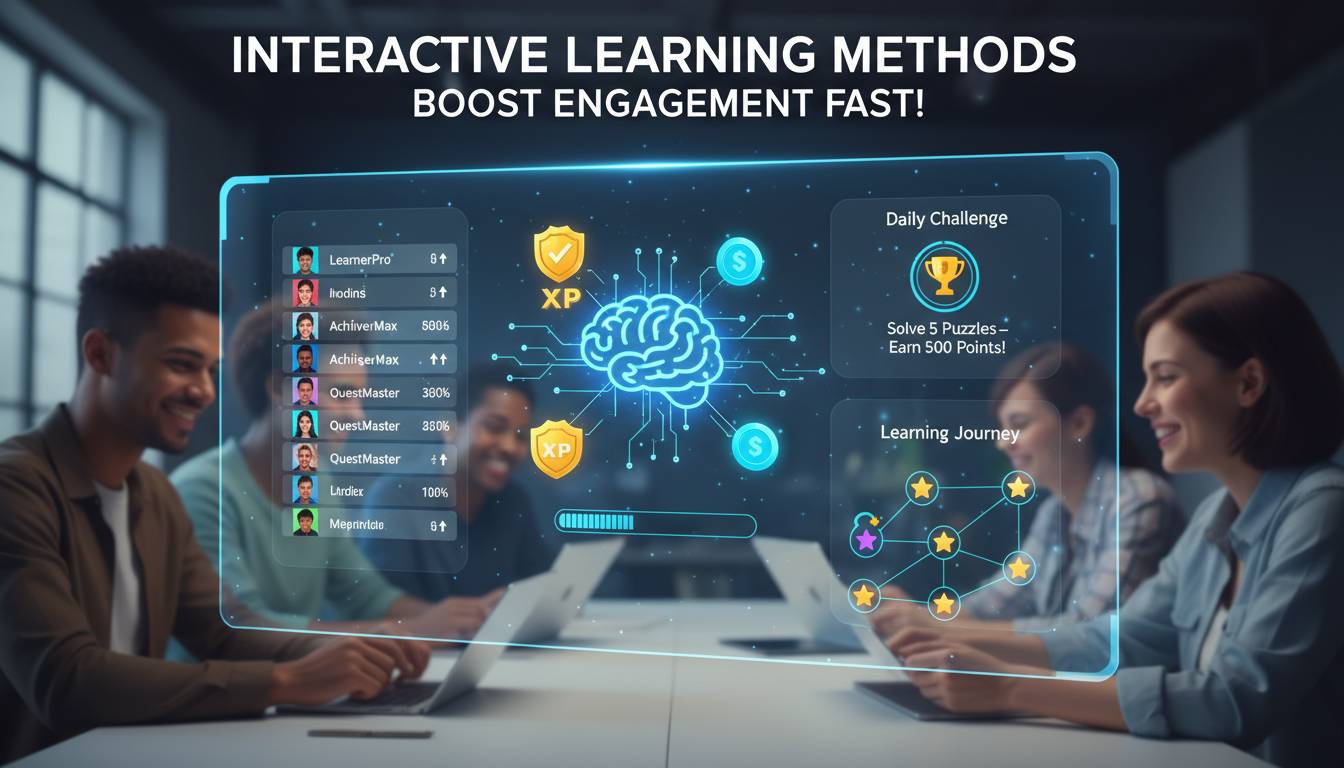
Traditional lecture-based instruction is losing students’ attention. Interactive learning methods offer an alternative that turns passive listeners into active participants. Research from the National Training Laboratories shows learners retain about 5% of what they hear in lectures but up to 75% when they practice by doing. That gap has pushed educators to rethink how they run classrooms, corporate training, and online courses. This guide covers the most effective interactive strategies, how they work in practice, and how schools and organizations can put them to use.
Understanding Interactive Learning
Interactive learning is an educational approach where learners actively take part through activities, discussion, problem-solving, and hands-on experiences instead of just listening. Traditional methods push information one way, from instructor to student. Interactive learning creates a two-way flow where learners ask questions, contribute ideas, and apply knowledge as they learn it. The method draws from constructivist learning theory, which argues that people build understanding through experience and reflection rather than simply receiving transmitted information.
The benefits go beyond better retention. Studies in the Journal of Educational Psychology show that students in interactive learning environments develop stronger critical thinking skills, solve problems more effectively, and stay motivated to keep learning. These methods also work for different learning styles—visual, auditory, and kinesthetic learners can all find ways to engage with material that suit them. In workplaces, interactive training cuts down on time spent while helping employees actually remember and use new skills.
Top Interactive Learning Methods Driving Engagement
Gamification and Game-Based Learning
Gamification applies game elements—points, leaderboards, badges, rewards—to learning activities. Game-based learning goes further by using complete games or game-like simulations to teach specific concepts. Platforms like Kahoot! and Duolingo show that gamification can make learning feel addictive, with users spending much more time on educational activities when game mechanics are involved. A University of Colorado study found students in gamified learning environments scored 34% higher on tests compared to traditional instruction.
Simulations and Virtual Reality
Simulations let learners practice making decisions in realistic settings without real-world risks. Flight simulators for pilots, business simulations where students run virtual companies—these provide experiential learning without actual consequences. Virtual reality has pushed simulations further, creating immersive experiences that drop learners into historical events, anatomical environments, or distant planets. A 2023 PwC report found VR learners were four times more focused than classroom learners and finished training faster while retaining more.
Problem-Based Learning
Problem-based learning gives learners complex, real-world problems that require investigation, research, and collaborative problem-solving. Instead of getting information upfront, learners figure out what they need to know, find resources, and develop solutions based on evidence. Medical schools have used this approach for years, and it’s spreading to K-12 and corporate training. The method builds critical thinking, research skills, and the ability to apply knowledge across different contexts. A meta-analysis in Advances in Health Sciences Education found problem-based learning significantly improved students’ problem-solving abilities and self-directed learning.
Peer Learning and Collaborative Projects
Peer learning uses social interaction by pairing or grouping students to teach and learn from each other. Think-pair-share activities, study groups, and peer review assignments all fit here. Collaborative projects extend this with teams working together on longer assignments, building communication skills, teamwork, and exposure to different perspectives. Research from the University of Minnesota shows collaborative learning improves student satisfaction, reduces isolation, and leads to deeper understanding through explaining concepts to others.
Flipped Classroom Model
The flipped classroom swaps traditional homework and classroom activities. Students review instructional content—often video lectures—at home, while classroom time is reserved for interactive activities, discussions, and applied learning. This model makes the most of face-to-face time for engagement and lets instructors give personalized help during hands-on work. A meta-analysis in the International Journal of Teaching and Learning in Higher Education found flipped classroom approaches consistently improved student performance and satisfaction across multiple studies.
Interactive Digital Platforms and Adaptive Learning
Modern educational technology offers sophisticated interactive platforms that respond to learner performance in real time. Adaptive learning systems adjust content difficulty, pacing, and pathways based on individual progress, keeping the challenge level right. Platforms like Khan Academy, Coursera, and Nearpod provide interactive videos, embedded questions, and immediate feedback that keep learners engaged. A 2024 EdTech Evidence Network report showed adaptive learning platforms produce average learning gains of 0.3 standard deviations compared to traditional instruction.
Benefits of Implementing Interactive Learning Methods
Interactive learning helps across several areas of educational outcomes. Cognitively, it improves memory retention, deepens understanding of concepts, and makes it easier to transfer knowledge to new situations. When learners actively engage through discussion, problem-solving, or hands-on practice, they create multiple neural pathways to the same information, making recall more reliable.
Emotional and motivational benefits matter too. Interactive methods boost engagement by making education feel relevant and participatory. Students say they feel more valued and heard when their input shapes classroom activities. This higher engagement links to lower dropout rates and more enthusiasm for continuing learning. In workplaces, interactive training leads to greater employee satisfaction with professional development and more actual use of new skills on the job.
Social benefits come from collaborative interactive methods. Group projects and peer learning build communication skills, teamwork abilities, and cultural awareness. Employers value these soft skills—LinkedIn research lists collaboration among the top skills wanted in new hires. Interactive learning prepares learners not just with knowledge but with interpersonal capabilities that modern workplaces require.
Implementing Interactive Learning Successfully
Getting interactive learning right takes planning and organizational commitment. Educators should first identify learning goals and figure out which interactive methods match those goals best. Not every lesson needs hands-on activities—sometimes direct instruction efficiently conveys information that would take too long to discover independently. The key is using interactivity strategically where it adds the most value.
Technology matters for digital interactive learning. Schools and organizations need reliable internet, appropriate devices, and user-friendly platforms. But technology should enhance, not replace, human interaction. The best implementations blend digital tools with face-to-face engagement, combining both approaches.
Instructor training may be the most important factor. Interactive learning needs different facilitation skills than traditional lecturing. Educators must learn to lead discussions, manage group dynamics, give timely feedback, and design effective interactive activities. Professional development programs focused on these skills have shown significant impact on implementation success. Organizations that invest in instructor training see about 40% better outcomes from interactive learning initiatives, according to the Teaching Company.
Assessment also needs to change to match interactive methods. Traditional multiple-choice tests may not adequately measure skills from interactive learning, like collaboration, critical thinking, and applied problem-solving. Portfolios, presentations, project evaluations, and competency-based assessments give more accurate pictures of learning outcomes. Institutions should develop assessment rubrics aligned with the specific competencies targeted by interactive activities.
Choosing the Right Interactive Learning Method
Picking the right interactive method depends on several factors. Learning objectives come first—what specific outcomes should learners achieve? Complex problem-solving points toward case studies or simulations, while communication skills suggest role-playing or debates, and technical skills may need hands-on labs or virtual practice environments.
Learner characteristics matter a lot. Age, prior knowledge, learning preferences, and comfort with technology all influence which methods will work. Younger students may thrive with gamification and hands-on activities, while adult learners in corporate settings might prefer problem-based learning tied to actual job challenges. Cultural backgrounds can also affect comfort with collaborative versus individual activities.
Resource availability limits options. Some methods need significant technology investment, while others work with minimal resources. Think-pair-share needs no technology; VR experiences need expensive equipment. Organizations should honestly assess their constraints and choose methods that scale appropriately.
Time affects both implementation and learner engagement. Some interactive methods need significant prep time for instructors and longer periods for learners to finish activities. The flipped classroom, for example, requires students to have time to review pre-class materials. Balancing interactive methods with curriculum time constraints takes creative scheduling and prioritization.
The Future of Interactive Learning
Interactive learning keeps evolving with technology. Artificial intelligence is enabling more sophisticated adaptive learning systems that personalize learning paths with greater precision. Virtual and augmented reality are becoming more affordable, expanding what’s possible for immersive simulations. Social learning platforms are adding features that support peer interaction at scale.
Research keeps refining our understanding of what makes interactive learning work. Neuroscience studies show how active engagement changes brain processes in ways that improve learning. Comparative research is finding which methods work best for specific subjects and learner populations. This growing evidence base will help educators make increasingly informed decisions about method selection.
The shift toward interactive learning reflects bigger changes in how we think about education. Knowledge isn’t scarce anymore—learners can access information instantly through smartphones. What matters now is the ability to apply knowledge, solve problems, collaborate effectively, and adapt to change. Interactive learning methods are well-suited to develop these capabilities, making them essential for preparing learners to thrive in dynamic, complex environments.
Frequently Asked Questions
What are examples of interactive learning methods?
Interactive learning methods include gamification and game-based learning, simulations and virtual reality experiences, problem-based learning scenarios, peer learning and collaborative projects, the flipped classroom model, interactive digital platforms with adaptive technology, think-pair-share discussions, case studies, role-playing exercises, and hands-on laboratory experiments. Each method actively involves learners rather than requiring passive reception of information.
What is the definition of interactive learning?
Interactive learning is an educational approach where learners actively participate through activities, discussion, problem-solving, hands-on practice, and collaboration instead of passively receiving information through lectures or reading. This method is based on constructivist learning theory, which suggests that learners build understanding through experience, reflection, and engagement with material and others.
What are the main benefits of interactive learning?
Interactive learning offers many benefits including much higher information retention (up to 75% versus 5% from lectures), improved critical thinking and problem-solving skills, increased learner motivation and engagement, development of collaboration and communication skills, accommodation of diverse learning styles, better preparation for real-world application of knowledge, and reduced training time in corporate settings while improving knowledge transfer.
How do you implement interactive learning effectively?
Effective implementation requires several steps: define learning objectives clearly first, choose interactive methods that align with those objectives, invest in instructor training for facilitation skills, ensure appropriate technology infrastructure, develop assessment methods that measure skills targeted by interactive activities, start with pilot programs and expand based on results, and balance interactive and direct instruction methods based on learning needs.
Which interactive learning method is most effective?
No single method works best for everything—the right approach depends on learning objectives, learner characteristics, subject matter, and available resources. However, research consistently shows methods combining active engagement with immediate feedback, like adaptive learning platforms and simulations, produce strong results. Most experts recommend blending multiple interactive methods to address different learning needs.
Can interactive learning be used in online education?
Yes. Interactive learning works well online through video conferencing for live discussions, collaborative digital documents for group projects, interactive videos with embedded questions, online simulations and virtual labs, gamified learning platforms, peer review assignments, and asynchronous discussion forums. Many online programs now emphasize interactive elements to fight isolation and maintain engagement in remote learning settings.