

 February 24, 2026
  9 Min
9 Min  No Comment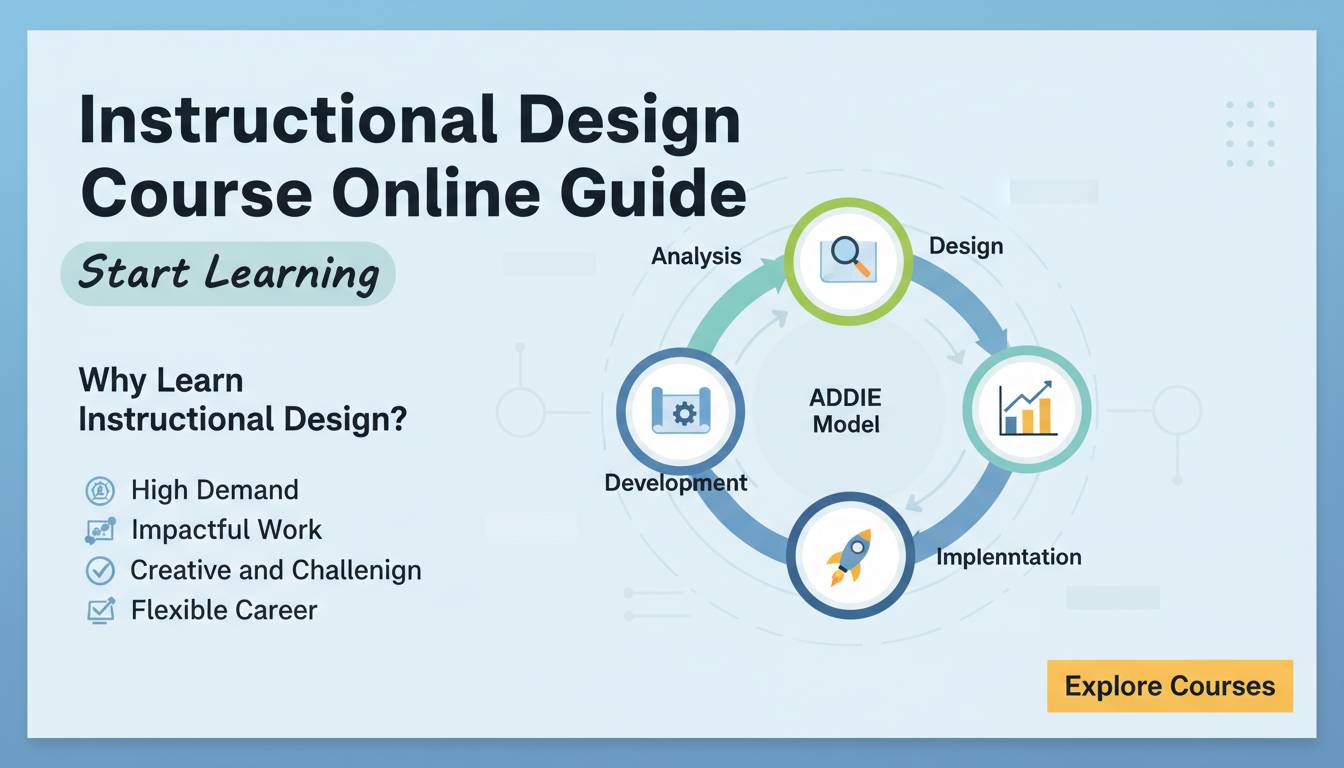
The instructional design field has expanded significantly as organizations across sectors recognize that structured employee training directly impacts retention, productivity, and organizational growth. Having worked with learning development teams for over a decade, I’ve observed how this career path offers genuine flexibility and variety—whether you’re transitioning from teaching, corporate training, or another profession entirely. This guide covers what instructional designers actually do, how to get certified, realistic salary expectations, and practical career planning steps.
What Is Instructional Design and Why It Matters
Instructional design is the systematic process of creating educational experiences that actually work. Practitioners build training materials, eLearning modules, and curricula grounded in evidence-based learning science. The discipline draws from education theory, cognitive psychology, communications strategy, and instructional technology.
Several factors drive current demand. The Society for Human Resource Management reports that companies invested an average of $1,252 per employee on training in 2022 (SHRM, 2023). The shift toward remote and hybrid work accelerated digital learning adoption, with Research and Markets projecting the global corporate eLearning market to reach $457.8 billion by 2026. Industries experiencing skill gaps—technology, healthcare, manufacturing—are channeling significant resources into structured training programs.
The field offers stability because every sector requires learning and development. Healthcare systems, technology companies, financial institutions, government agencies, and nonprofits all need qualified instructional designers. That cross-industry demand translates to job variety and the ability to work from virtually anywhere.
What Does an Instructional Designer Actually Do
The day-to-day responsibilities vary by organization and industry, but core functions appear consistently across roles.
Needs analysis: Designers begin by identifying what learners need to know. This involves stakeholder interviews, performance gap assessments, and goal-setting. Effective analysis ensures training addresses real performance problems rather than assumed ones.
Design and storyboarding: Practitioners create content outlines and storyboards that map learner progression—sequencing content, designing interactive exercises, and building assessments. This phase requires both creative thinking and organizational precision.
Development: The building phase utilizes authoring tools and learning management systems. Modern instructional designers work with eLearning software like Articulate Storyline, Rise 360, or Adobe Captivate. Some roles emphasize strategic planning while others focus heavily on technical production.
Evaluation: Designers measure learning outcomes through assessments, surveys, and performance metrics. This feedback loop improves existing programs and informs new initiatives.
Work settings: Instructional designers find employment in corporate L&D departments, ed-tech companies, consulting firms, K-12 schools, universities, and healthcare systems. Many pursue freelance or contract work, which offers schedule flexibility and project variety.
How Long Does It Takes to Become an Instructional Designer
Timeline varies significantly based on your chosen path. Here’s a realistic breakdown based on industry-standard programs.
Online certification programs: Approximately three to six months of focused study. These programs concentrate on practical skills and portfolio development. Working professionals often prefer this route because they can maintain employment while studying. Costs typically range from $300 to $1,200.
Professional certifications: Credentials such as the ATD Certified Professional in Learning and Performance (CPLP) or Association for Talent Development certifications require three to six months of preparation, though some have experience prerequisites. Preparation courses run $500 to $1,500.
Master’s degree: One to two years full-time, or two to four years part-time. Programs cost $10,000 to $30,000, though some employers sponsor education. Degree holders often access senior-level positions more quickly.
Bachelor’s degree: Four years. Many instructional designers hold undergraduate degrees in education, communications, or technology fields, then add specialized credentials.
If you already have teaching or corporate training experience, your transition timeline may shorten considerably. In my observation, professionals transitioning from adjacent fields often need only a few months to learn technical tools and design frameworks specific to instructional design.
Step-by-Step Path to Becoming an Instructional Designer
Most professionals follow a similar progression when building this career.
1. Learn the foundations. Study learning theory and design models—ADDIE, Bloom’s Taxonomy, backward design, and adult learning principles (andragogy). These frameworks guide decision-making throughout your career. Free resources from the eLearning Industry blog, Learning Solutions Magazine, and open educational resources provide starting points.
2. Develop technical proficiency. E-learning authoring tools like Articulate Storyline, Rise 360, or Adobe Captivate are industry standards. Familiarity with learning management systems (LMS), basic graphic design software, and video editing tools adds value. Many employers list specific platforms in job requirements.
3. Build a portfolio. This element proves essential. Hiring managers evaluate work samples alongside credentials. Create sample projects demonstrating various formats: onboarding programs, compliance training modules, soft skills courses. Include process artifacts—storyboards, design documents, needs analyses—to show your thinking.
4. Gain practical experience. Internships, volunteer projects, or freelance assignments provide portfolio content and industry connections. Nonprofits, small businesses, and current employers often need learning materials and welcome help.
5. Pursue relevant certifications. Credentials from ATD, the eLearning Guild, or recognized universities signal professional commitment. While not always mandatory, certifications strengthen applications, particularly for early-career candidates.
6. Build professional networks. Join organizations like ATD, participate in online communities (eLearning Guild forums, LinkedIn groups), and attend industry conferences. Many positions fill through referrals rather than job postings.
7. Apply strategically. Target entry-level roles, junior designer positions, or training coordinator jobs that align with your background. Career progression typically moves toward senior designer, lead, manager, or specialist roles.
Best Online Instructional Design Courses and Certifications
Program selection depends on your career goals, budget, and learning preferences.
Professional certification programs: Structured curricula prepare candidates for industry credentials like ATD’s Certified Professional in Learning and Performance (CPLP). Prep courses cost $500-$1,500 depending on format and provider.
Comprehensive online courses: Platforms like Coursera partner with universities to offer structured learning with video lectures and hands-on projects. Subscriptions typically run $39-$79 per month, with most programs completing in three to six months.
University programs: Higher investment ($10,000-$30,000) but greater institutional recognition with some employers. Indiana University, Arizona State University, and other institutions offer online master’s degrees in instructional technology or learning design.
Self-paced platforms: LinkedIn Learning, Udemy, and Skillshare offer flexibility for exploring specific topics. These work well for skill gaps or concept familiarization but don’t provide the structured progression or portfolio support of formal programs.
Free resources: EdX offers free audit options for university courses. The eLearning Industry website and Learning Solutions Magazine provide ongoing industry insights. Free resources help you explore the field before committing financially, though they typically don’t provide credentials or portfolio guidance.
When evaluating programs, examine actual curriculum content, instructor credentials, and portfolio outcome guarantees. Student reviews on third-party sites reveal more than promotional materials. Career services, mentorship opportunities, and alumni networks add genuine value.
Instructional Design Salary and Job Outlook
Compensation varies based on location, industry, experience, and organization type.
According to the U.S. Bureau of Labor Statistics (May 2023 data), training and development specialists—including instructional designers—earn a median annual wage of $61,570. Entry-level positions typically range from $45,000 to $55,000. Experienced senior designers or managers commonly earn $80,000 to $100,000+, with some specialized roles exceeding these ranges.
Geographic location significantly impacts compensation. Major metropolitan areas and technology hubs (San Francisco, New York, Seattle, Austin) offer higher salaries but also higher living costs. Remote positions sometimes offer location-based or standardized compensation depending on employer policy.
Industry sector affects pay substantially. Finance and technology sectors often pay premiums due to compliance requirements and competitive talent markets. Healthcare offers strong demand with moderate compensation. Government and education typically provide lower salaries but enhanced benefits and job stability. Freelance and contract designers set their own rates, with experienced practitioners commanding $75-$150+ per hour.
The job market outlook remains positive. The Bureau of Labor Statistics projects 6% growth for training and development specialists through 2032, faster than the average for all occupations. LinkedIn’s 2023 Workplace Learning Report indicates that 79% of learning leaders plan to increase investment in learning technology, suggesting continued demand.
FAQs About Instructional Design Careers
Do I need a degree to become an instructional designer?
Some positions require or prefer degrees, but many designers enter the field without four-year credentials. Relevant experience, a strong portfolio, and professional certifications can substitute for formal education in many cases. Based on job postings I’ve reviewed, employers increasingly prioritize demonstrated skills and portfolio quality over specific degrees.
What skills are most important?
Analytical abilities help you identify genuine learning needs. Creativity makes courses engaging rather than forgettable. Strong written communication matters because much instruction happens through text. Project management skills prove valuable when juggling multiple deadlines and stakeholders. Technical proficiency with eLearning tools and LMS platforms is essential. Interpersonal skills help when collaborating with subject matter experts and organizational leadership.
Is instructional design stressful?
Stress levels vary by workplace culture and project complexity. The role typically involves multiple concurrent projects with competing deadlines—some professionals thrive in this environment while others find it challenging. Most designers report manageable stress in well-managed organizations with realistic workloads. Project-based work can create intensity during development phases followed by more moderate periods.
Can I work remotely?
Yes. Remote work is prevalent in this field. Many organizations transitioned to distributed models, and numerous positions remain fully remote. Freelance and contract arrangements expand opportunities further. Always verify remote expectations in job descriptions—some positions expect periodic on-site collaboration.
What’s the career progression?
Common advancement paths include: entry-level or junior designer → senior designer → lead designer or supervisor (managing teams). Some professionals specialize in areas like learning experience design (LXD), gamification, or instructional technology. Others move into consulting, learning strategy, talent development management, or chief learning officer roles.
Conclusion
Instructional design represents a viable career path for professionals who enjoy creating meaningful learning experiences and seek in-demand, flexible work. The profession combines creative problem-solving with analytical thinking, offers remote work options, and applies across virtually every industry.
Launching your career requires studying foundational principles, developing practical skills with industry-standard tools, and assembling a portfolio demonstrating your capabilities. Timeline options range from intensive multi-month certifications to multi-year degree programs—multiple pathways lead to successful careers, so select the approach matching your circumstances.
Before investing in formal education, explore free resources, connect with professionals working in the field, and investigate realistic day-to-day expectations. Build your portfolio during the learning process rather than waiting for completion. The instructional design community generally welcomes newcomers who demonstrate genuine interest in the craft of facilitating human learning.
