

 March 20, 2026
  6 Min
6 Min  No Comment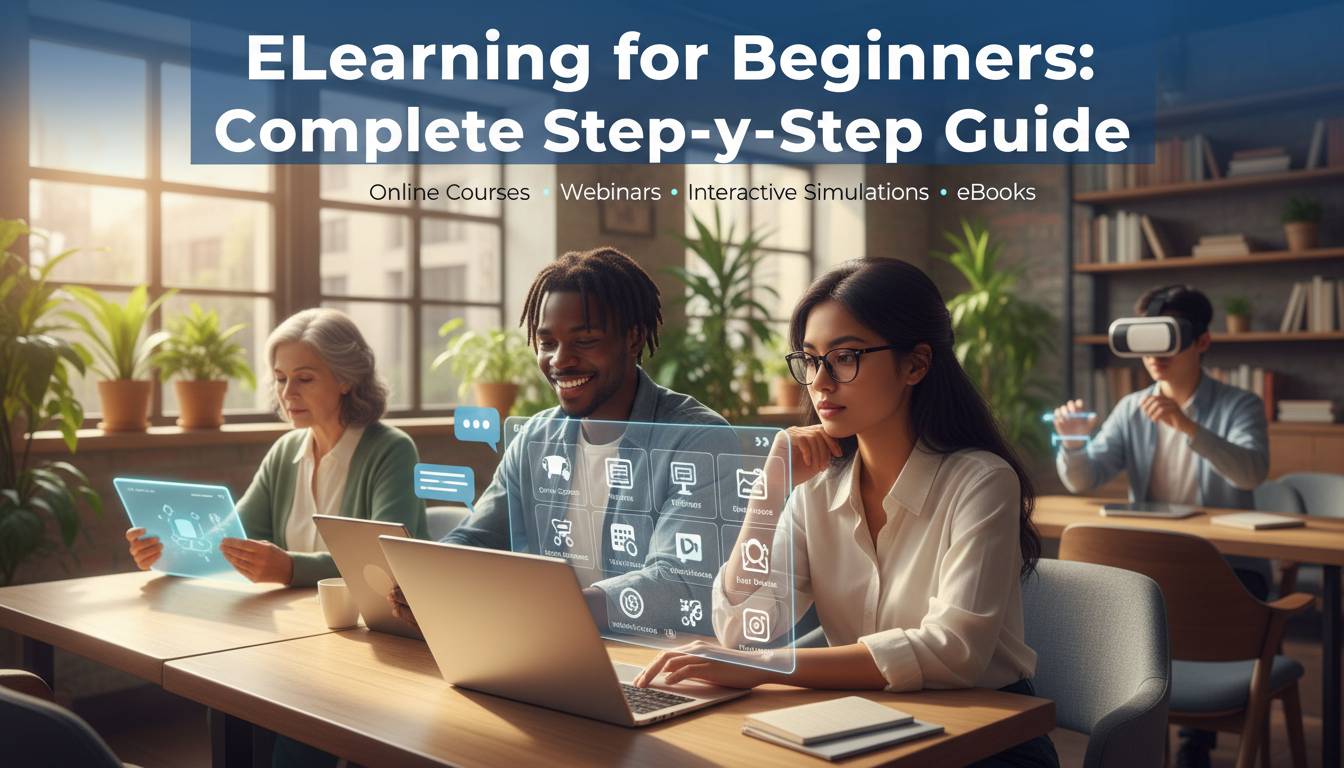
In 2022, the global eLearning market was valued at approximately $399.3 billion, with industry analysts projecting growth to exceed $1 trillion by 2032 at a compound annual growth rate of 14.6% (Grand View Research, 2023). The scale of this expansion reflects a fundamental transformation in how professionals acquire skills and credentials. Having guided hundreds of learners through online certification programs over the past decade, I’ve observed firsthand how digital education has leveled the playing field for career advancement.
Whether you’re pursuing a promotion, exploring a new hobby, or working toward a professional certification, online learning now offers the most accessible pathway to measurable results. This guide walks you through everything you need to know to succeed as a beginner in eLearning—from evaluating platforms to implementing study techniques that actually produce lasting knowledge.
Understanding eLearning: More Than Just Video Courses
eLearning encompasses any educational experience delivered through digital technology, extending far beyond passive video watching. The modern eLearning ecosystem includes interactive simulations, gamified lessons, live instructor sessions, peer collaboration forums, virtual reality training, and AI-powered personalized learning paths. Understanding this breadth helps you choose learning experiences that align with your goals and preferred learning styles.
The flexibility of eLearning represents its most significant advantage over traditional education. You can access course materials at 2 AM or during your lunch break, revisit difficult concepts unlimited times, and learn from instructors across the globe without leaving your home. This democratization of education has particularly benefited working professionals, parents, and individuals in remote areas who previously lacked access to quality educational resources.
Learning science consistently demonstrates that multi-modal instruction produces stronger outcomes than single-format approaches. When learners engage with video lectures, complete hands-on exercises, and participate in community discussions, they build more robust neural connections than those relying on passive content consumption alone. This finding underscores the importance of choosing platforms and courses that offer diverse learning experiences rather than simple video repositories.
Types of eLearning: Finding Your Ideal Format
Self-Paced Courses
Self-paced learning represents the most common eLearning format, allowing you to progress through material according to your own schedule. Platforms like Coursera, Udemy, and LinkedIn Learning offer thousands of courses where you watch pre-recorded lessons and complete assignments independently. This format works exceptionally well for technical skills, language learning, and certificate programs where you need flexibility. The main consideration: self-paced courses require significant self-discipline since no external deadlines force you to stay on track.
Instructor-Led Training
Live online courses connect you with instructors teaching in real-time through video conferencing software. These programs mimic the classroom experience with scheduled sessions, real-time Q&A, and immediate feedback. Platforms like General Assembly, Springboard, and Thinkful offer cohort-based programs where you progress through curriculum alongside a group of peers. The social accountability significantly improves completion rates—industry data from various learning management systems indicates that cohort-based programs consistently achieve higher completion rates than purely self-paced options, with some reporting 75-85% completion compared to 15-20% for on-demand content.
Hybrid and Blended Learning
Many modern programs combine asynchronous content with synchronous sessions, creating hybrid experiences that balance flexibility with live interaction. You’ll typically watch video lessons on your own schedule, then join weekly live sessions for discussions, group projects, or troubleshooting help. This format has become particularly popular in corporate training and professional development programs where organizations want both scalability and human connection.
Microlearning and Mobile-First Platforms
For busy professionals seeking quick skill acquisition, microlearning platforms like Duolingo, Blinkist, and Babbel deliver content in bite-sized segments typically lasting 5-15 minutes. These platforms optimize for mobile devices, allowing you to learn during commutes, waiting periods, or breaks throughout your day. While microlearning excels for vocabulary, concept introduction, and skill reinforcement, it may feel insufficient for complex subjects requiring deep understanding.
Essential Tools and Platforms for Beginner Learners
Selecting the right tools dramatically impacts your learning experience and outcomes. The market offers options spanning every price point and skill level, making it essential to match platform capabilities with your specific goals.
Free and Low-Cost Platforms
| Platform | Best For | Price | Key Features |
|---|---|---|---|
| Khan Academy | Academic subjects, test prep | Free | Comprehensive curricula, progress tracking |
| Coursera (Audit) | University-level courses | Free-$99/month | Certificates, financial aid available |
| YouTube | Skill tutorials, software training | Free | Unlimited content, community feedback |
| edX | STEM, professional certificates | Free-$300/course | MIT, Harvard collaboration |
Professional and Career-Focused Platforms
For career advancement, platforms like LinkedIn Learning ($29.99/month), Udemy Business, and Pluralsight ($299/year) offer courses designed specifically for professional skill development. These platforms typically provide completion certificates, skills assessments, and integration with career platforms. If your goal involves career change or promotion, these investments often deliver strong returns through increased earning potential.
Specialized Industry Platforms
Certain fields require specialized platforms offering industry-specific credentials. Healthcare professionals use Relias and HealthStream for compliance training. IT professionals pursue certifications through official vendor platforms like AWS Training, Microsoft Learn, and Google Cloud Skills Boost. Creative professionals find specialized communities on Skillshare, Domestika, and CreativeLive. Research which platforms employers in your target field recognize and prefer.
Technical Requirements
Most eLearning platforms operate through web browsers, requiring nothing more than a reliable internet connection and modern browser (Chrome, Firefox, Safari, or Edge). For video-heavy courses, a connection speed of at least 5 Mbps ensures smooth playback without frustrating buffering. While tablets and smartphones work for many courses, computer access proves beneficial for coding exercises, document creation, and any course requiring specialized software.
Preparing for Online Learning Success
Success in eLearning begins before you ever start a course. Taking time to prepare physically, mentally, and strategically dramatically improves your outcomes.
Creating a Dedicated Learning Space
Your environment significantly impacts focus and retention. Designate a specific area for learning—ideally a quiet room with good lighting, comfortable seating at a proper desk, and minimal distractions. This space should feel distinct from your relaxation areas, helping your brain associate the location with focused work. Remove your phone or place it in another room during study sessions. Studies published in the Journal of the Association for Consumer Research have examined how device presence affects cognitive performance, demonstrating that even visible phones can divide attention.
Setting Realistic Goals and Expectations
Before beginning any course, define what success looks like for you. Are you learning for personal enrichment, career advancement, or a specific certification? Setting SMART goals—Specific, Measurable, Achievable, Relevant, Time-bound—provides direction and motivation. For example, rather than “I want to learn Python,” commit to “I will complete the Python for Everybody specialization and build one portfolio project within three months.”
Assessing Your Learning Style
Understanding how you learn best helps you select courses and techniques that resonate. Visual learners retain information best through diagrams, videos, and written content. Auditory learners prefer podcasts, lectures, and discussion. Kinesthetic learners need hands-on practice and real-world application. Most platforms offer multiple content