

 February 11, 2026
  8 Min
8 Min  No Comment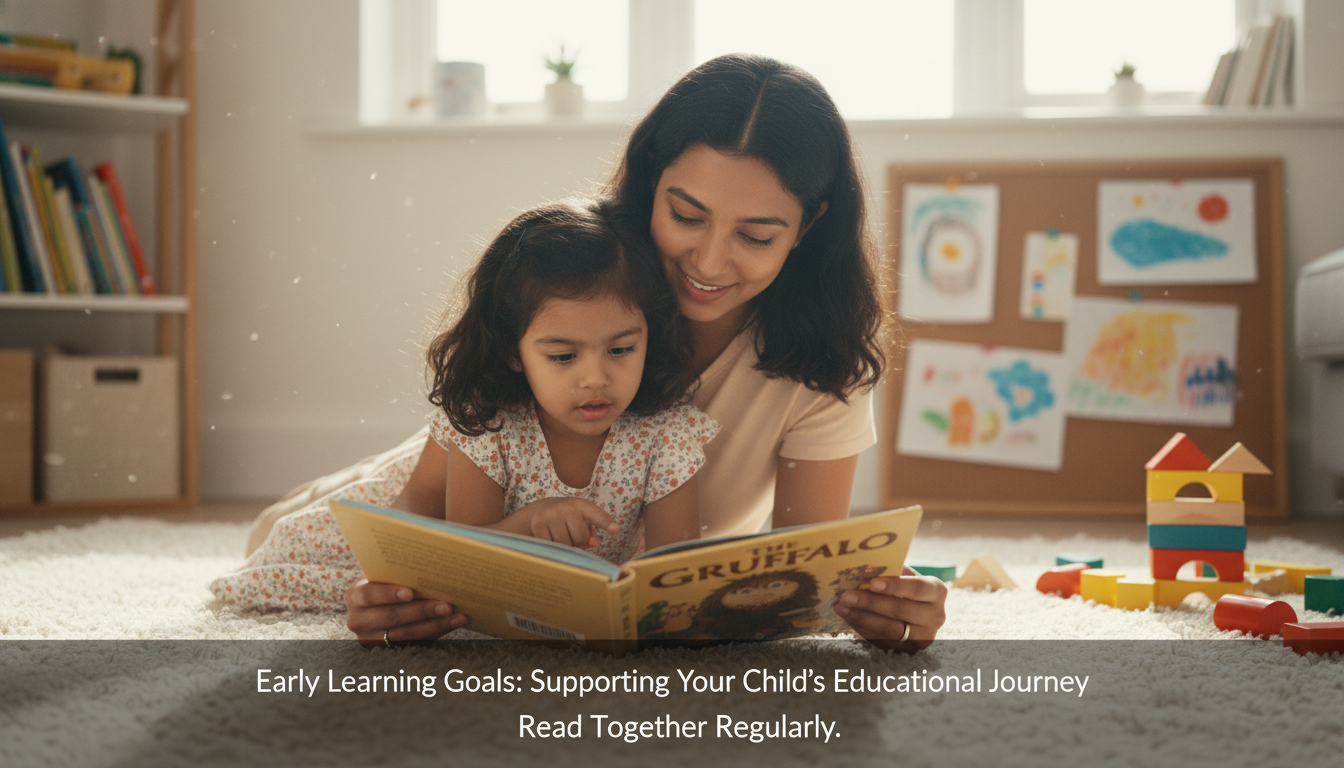
Standing in the preschool doorway, wondering if your child is on track, if they’re learning enough, if you’re doing this right—I remember that feeling well. Those first steps toward formal schooling can feel daunting for any parent, even before the classroom door opens. Early Learning Goals (ELGs) became my quiet compass through that uncertainty. Think of ELGs as gentle signposts, marking the path toward confident communication, fine motor skills, or early mathematical thinking. There’s a balance here—not too rigid, but certainly not vague either.
Real-world example: I watched Sofia, a curious just-turned-4-year-old, light up with pure joy when she stacked five blocks without toppling them. That milestone aligns with developmental expectations—the CDC notes that most children at this age can stack 4-6 blocks—yet each child’s journey zig-zags differently. ELGs help families celebrate those zig-zags while anchoring them in practical milestones.
It’s okay if progress doesn’t always follow a straight line; the nuanced structure behind ELGs offers reassurance without stifling natural growth.
Why Early Learning Goals Matter
From my experience working with families, ELGs matter because they offer both direction and reassurance. From a parent’s vantage point, they translate lofty educational jargon into achievable daily experiences—like naming colors, stringing beads, or simple self-help steps (“I put on my shoes largely by myself!”). This affords caregivers a clearer sense of when to cheer and when a little more nudge might help.
Moreover, ELGs create a shared language between home and school: when everyone’s casually referencing “emerging numeracy skills” or “expressive language”, collaboration feels more natural. Research published in Journal of Developmental and Behavioral Pediatrics indicates that early identification through developmental milestones can lead to earlier intervention, which significantly improves long-term outcomes. That partnership makes spotting gaps easier and more actionable.
Core Domains of Early Learning Goals
Communication and Language—Foundations of Expression
This domain isn’t just about pronouns or vocab lists; it’s about being able to say “Mommy duck!” when you see a pond, or ask “Why?” five times in a row. Beyond mere vocabulary, ELGs emphasize understanding, listening attentively, and reacting with purpose. Conversation—real, messy, imperfect conversation—is the engine here.
Physical Development—Motor Skills, Coordination, Confidence
Small things matter: holding crayons, cutting paper (carefully), or balancing on one foot—even for a heartbeat. These build strength, coordination, and self-confidence. I’ve observed that children who master these small physical tasks show increased confidence in tackling larger challenges. More than that, the satisfaction of doing “it myself!” encourages a sense of independence and readiness for more complex tasks.
Personal, Social, and Emotional Growth—Building Resilience Early
Tears after sharing a toy, then tentative smiles—it’s all part of the story. According to Zero to Three, early social-emotional development sets the foundation for later learning. ELGs recognize these emotional landscapes, inviting caregivers to notice how a child interacts with peers, shares impulsively, manages frustration, or seeks comfort when upset. These “soft” skills quietly shape the ability to learn later on.
Literacy and Mathematics—Core Conceptual Building Blocks
Learning letters, recognizing numbers, maybe even matching shapes—that’s well within preschool purview. But it’s not only about reciting ABCs. It’s about making sense of stories you read together, counting snacks, or matching socks. Research published in Journal of Experimental Child Psychology found that early mathematical thinking develops through everyday activities like counting and sorting. These seemingly mundane moments form the bedrock of more formal literacy and numeracy.
Balancing Structure and Flexibility in Early Learning
In practice, following ELGs often feels like trying to walk a flexible tightrope: you want structure, but not rigidity. A child might be advanced in imaginative play but slower in speech; another may recite numbers but find sharing tricky. ELGs help; they point to where to cue gentle support but don’t demand a one-size-fits-all timeline.
Here’s a rough framework I’ve found useful:
- Observe gently—notice shifts when your toddler starts asking “what’s that?” more often.
- Encourage naturally—point out letters during grocery shopping, count apples together.
- Adapt without anxiety—if your child struggles holding scissors, explore weaving or playdough instead.
- Communicate openly—chat with caregivers or preschool teachers about small wins and subtle frustrations.
In my experience, this simple act of watching becomes a diagnostic and celebratory practice rolled into one. The Head Start program, administered by the U.S. Department of Health and Human Services, notes that responsive caregiving significantly impacts child development outcomes.
Real-World Examples: Parents and Educators at Play
Consider Dream Preschool, a small community-based program emphasizing play and storytelling. Teachers there narrate how one child, originally hesitant to build anything, suddenly began assembling towers by rearranging natural blocks—smooth stones, white bark, dried leaves—outside. That moment wasn’t on any rigid checklist, but it ticked off both creative thinking and coordination, falling squarely within multiple ELGs.
Meanwhile, at home, a dad—Mark—started using cooking time with his daughter to talk through ingredients and steps. “We weren’t just making cookies,” he recalls, “we were counting scoops, naming utensils, and I swear she was narrating like a tiny sous-chef.” Those kitchen conversations loosely mapped to understanding sequences, number sense, and language—all core ELGs emerging via ordinary day-to-day. The American Academy of Pediatrics notes that cooking together promotes language development and mathematical thinking in young children.
Tips for Supporting Your Child’s ELG Progress Without Overthinking
- Infuse curiosity, not pressure: Ask open-ended questions—”What do you notice about these footprints?”—and let awe take the lead.
- Choose playful repetition: Reading the same story again and again? That helps memory, prediction, and confidence—even if parents groan hearing the same lines.
- Mix observational and interactive learning: Build towers, roll balls slowly down ramps, sort socks by color—simple, playful steps make goals tangible.
- Chat with educators in real time: Even short notes like “today she mixed red and blue paint for the first time” keep the ELG conversation dynamic and responsive.
- Celebrate progress, however small: Was it first full name drawing? That counts—even if the “E” got backwards. Those wild, imperfect marks are historical.
Navigating Common Concerns and Misinterpretations
When noticing others’ children hitting obvious milestones—like talking early or counting proficiently—it’s easy to feel anxious. Keep in mind, ELGs remind us: development isn’t a race. Some kids bloom early in one area and stay quiet in others, then blossom later. The CDC’s “Learn the Signs. Act Early.” program emphasizes that there’s a wide range of typical development. The scope of these goals is intentionally broad.
Worried about learning gaps? ELGs are most powerful when used as pointers, not final judgments. If consistency is a concern (say, delay in communicating ideas), a gentle chat with professionals—speech therapists, early childhood specialists—can clarify next steps.
Likewise, pressure from media or online lists can feel misleading. Many “must-have” lists out there aren’t tied to recognized frameworks. Stick with trusted resources—national curriculum guidelines or established organizations—who build ELGs as meaningful and age-appropriate benchmarks.
Bringing It Together: A Balanced Blueprint for ELG Support
- Observe daily moments as windows into growth.
- Embed learning into routines—baths, meals, trips to the grocery store all count.
- Engage in collaborative wonder—build sandcastles, trace shadows, talk about shapes and sizes.
- Partner with professionals and educators—share observations, co-create strategies that feel natural.
- Honor each child’s rhythm—some toddlers chatter from the get-go, some analyze the world in silence at first. Both paths can hit the goals.
Conclusion
Early Learning Goals aren’t dry checklists—they’re flexible, empathetic signposts woven into the joyful mess of early childhood. They gently guide without forcing, reminding us that every scribble, giggle, or frustrated “I do it!” is progress. Aligning with ELGs helps parents and educators by creating clarity, boosting confidence, and keeping learning feel rooted in everyday magic. Let play remain playful, milestones remain possible, and never underestimate the power of noticing.
FAQs
What exactly are Early Learning Goals?
They’re developmental benchmarks covering areas like language, motor skills, emotional growth, and early literacy. They offer a guide, not a rigid timeline.
How can parents identify if their child is making progress?
Look for natural curiosity—asking questions, using words, experimenting with stacking or sorting. Small wins in routine moments often reflect underlying growth.
Is it a problem if my child is behind in one area?
Not necessarily—children often develop unevenly. If there’s concern, tools like gentle observation and brief chats with educators can help decide whether extra support is needed.
Can everyday activities really support ELGs?
Absolutely: cooking, playing, talking during errands, storytelling at bedtime—all contribute to early numeracy, language, and emotional skills in authentic ways.
Should I compare my child to siblings or friends?
Comparison can help clarify differences, but each child’s path is unique. ELGs stress individual progression over peer milestones.
When should educators be involved?
If patterns of struggle persist—like consistent frustration in speech or coordination—reaching out to preschool teachers or specialists can provide constructive next steps.
