

 February 15, 2026
  6 Min
6 Min  No Comment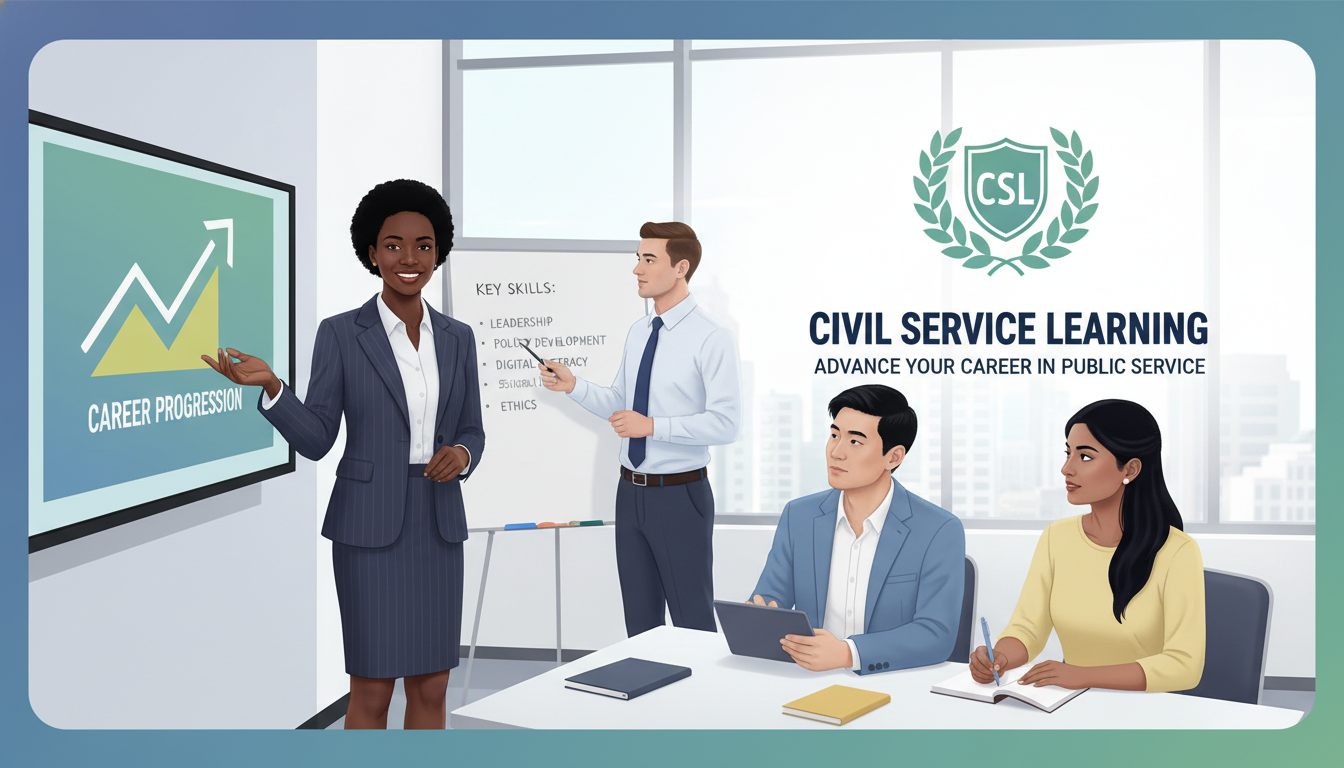
Navigating a career in public service can feel like steering a ship through shifting tides—exciting, often daunting, but rich with meaningful opportunities. Civil Service Learning: Develop Your Career in Public Service isn’t just a phrase—it’s a guiding principle for professionals eager to serve communities, shape policy, and grow within government systems. Let’s explore how embracing continuous learning, diverse pathways, and real-world examples can light up the possibilities in public sector careers.
Understanding Civil Service Learning and Its Value
Professional growth in public service often hinges on two things: relevant training and accessible learning channels. Civil Service Learning programs offer structured training—workshops, e-learning, mentoring—that equip employees with vital skills like leadership, policy analysis, and digital transformation.
Beyond the formal structure, there’s also the informal side: peer networks, cross-departmental projects, and on-the-job experience. These contribute not just to competence, but to confidence and a sense of belonging.
Two important benefits stand out:
- Enhanced adaptability. Public service roles frequently evolve, and learning programs help staff stay current with new legislation, technology, or operational shifts.
- Career clarity. By sampling different domains—finance, communications, environmental policy—employees often discover unexpected passions.
Real-World Examples of Learning in Action
It’s one thing to talk labels and training modules, but real-world stories bring the concept to life.
Scenario: Jane the Policy Analyst
Jane joined a regional agency hoping to specialize only in public health. A Civil Service Learning module introduced her to urban planning, which intrigued her. She volunteered for a cross-functional project, landed a joint posting, and now leads a team integrating health outcomes into city development. A modest pivot—yet transformative.
Scenario: Mark the IT Specialist
Mark started as a systems admin and felt boxed in. Through digital transformation courses offered by his department, he learned about agile project management and user-centered design. Fast forward: he’s now spearheading a citizen-facing app initiative that brings faster service and better transparency. Small trainings, big impact.
These narratives speak to the unpredictable paths that learning can reveal—often through small investments that cascade into larger career shifts.
Building a Learning Ecosystem
A strong Civil Service Learning culture integrates several key components:
1. Accessible Learning Formats
E‑learning, in‑person workshops, peer‑led sessions—offering a mix ensures wide reach. Busy staff can self‑pace online modules, while collaborative workshops foster camaraderie and interactive skills.
2. Clear Progression Frameworks
Certifications, tiered programs, and well‑defined competencies give learners measurable milestones. This clarity reinforces motivation and gives hiring managers shared benchmarks for evaluating skills.
3. Mentorship and Peer Support
Pairing learners with mentors—especially senior staff who’ve navigated similar paths—creates insider wisdom and encouragement. Peer cohorts tackling training together build camaraderie and accountability.
4. Cross‑Departmental Learning Opportunities
Rotations, joint assignments, and project swaps expose staff to new perspectives and let them test different roles without long‑term commitments.
5. Leadership Buy‑In and Resourcing
When leaders champion learning—by attending sessions alongside staff or allocating time for development—it signals genuine value. Allocating budgets for training also shows institutional commitment.
Expert Insight
Here’s a perspective from a public sector development lead that underscores why learning is less optional and more strategic:
“Investing in learning isn’t just an HR checkbox—it’s about building institutional resilience. When staff grow, the organization adapts and thrives.”
That little quote, directly from a seasoned leader, captures the dual benefits: opportunity for people and strength for systems.
Implementing Civil Service Learning in Practice
Successful rollout isn’t just about launching a learning portal—it’s a strategic journey.
Step‑by‑Step Strategy
-
Assess Needs
Start with surveys or focus groups to understand what skills staff feel they’re missing or curious about. -
Prioritize Content
If digital skills, leadership, or policy analysis emerge as areas of demand, shape programs around those. -
Pilot and Iterate
Launch a small-scale offering, gather feedback, refine. Iteration ensures relevance and uptake. -
Promote Widely
Use internal communications—newsletters, town halls, posters—to spotlight success stories and available learning tracks. -
Monitor and Adjust
Track completion rates, satisfaction, and any correlation with promotions or performance improvements. Use that data to refine future offerings.
Common Hurdles (and How to Overcome Them)
- Time constraints: Staff often juggle day jobs. Solution? Bite‑sized learning, self‑paced modules, and protected learning time in schedules.
- Perceived irrelevance: If courses feel disconnected, people opt out. Tailor content to real job tasks, and highlight how learning connects to work.
- Lack of leadership engagement: If managers don’t model learning, staff won’t see it as serious. Encourage visible leadership participation and recognition.
Strategic Benefits for the Public Sector
Civil Service Learning delivers both individual and institutional gains:
- Career advancement and motivation: When staff see that learning leads to growth and new opportunities, retention improves.
- Increased innovation: Cross‑pollination of skills and ideas drives creative solutions to public challenges.
- Adaptive capacity: A workforce skilled in emerging tools—from analytics to digital citizens services—keeps services more responsive and resilient.
Over time, these ripple outward: better public outcomes, increased civic trust, and more efficient use of taxpayer resources.
Conclusion
Building a robust Civil Service Learning culture isn’t a box‑checking exercise—it’s a strategic investment in talent and impact. By offering diverse, accessible training, aligning programs with real needs, and fostering cross‑departmental exploration, public sector organizations can unlock unexpected career journeys and richer institutional capacity. Whether you’re the person navigating your own development or the leader enabling others, leaning into learning ensures both individuals and services thrive.
FAQs
What is Civil Service Learning, exactly?
Civil Service Learning refers to structured and informal training programs designed to build skills, knowledge, and networks that help public servants grow in their roles and explore new career paths.
How can I make time for learning amid a busy public service role?
Look for offerings with flexible formats—self‑paced online modules, short workshops, or learning cohorts—and set aside protected time in your schedule, ideally supported by your supervisor.
Can these programs really lead to career changes?
Absolutely. Many people discover new interests—from data analytics to community outreach—through sampling different modules, which can open doors to rotations, new assignments, or promotions.
What role do leaders play in effective Civil Service Learning?
Leaders set the tone. Their participation, visible endorsement, and allocation of resources signal that learning is valued and expected—not optional.
How do we prevent learning programs from feeling disconnected from real work?
Design content grounded in actual job challenges and showcase success stories where learning has directly impacted project outcomes or team effectiveness.
How do organizations measure the success of these learning initiatives?
They look at metrics like completion rates, learner satisfaction, and correlations with promotions or project success. Qualitative feedback and storytelling also help demonstrate value and refine offerings.
That wraps it up—aiming to blend thoughtful structure with a human touch in discussing Civil Service Learning and how it can propel careers in public service.
