

 February 24, 2026
  13 Min
  No Comment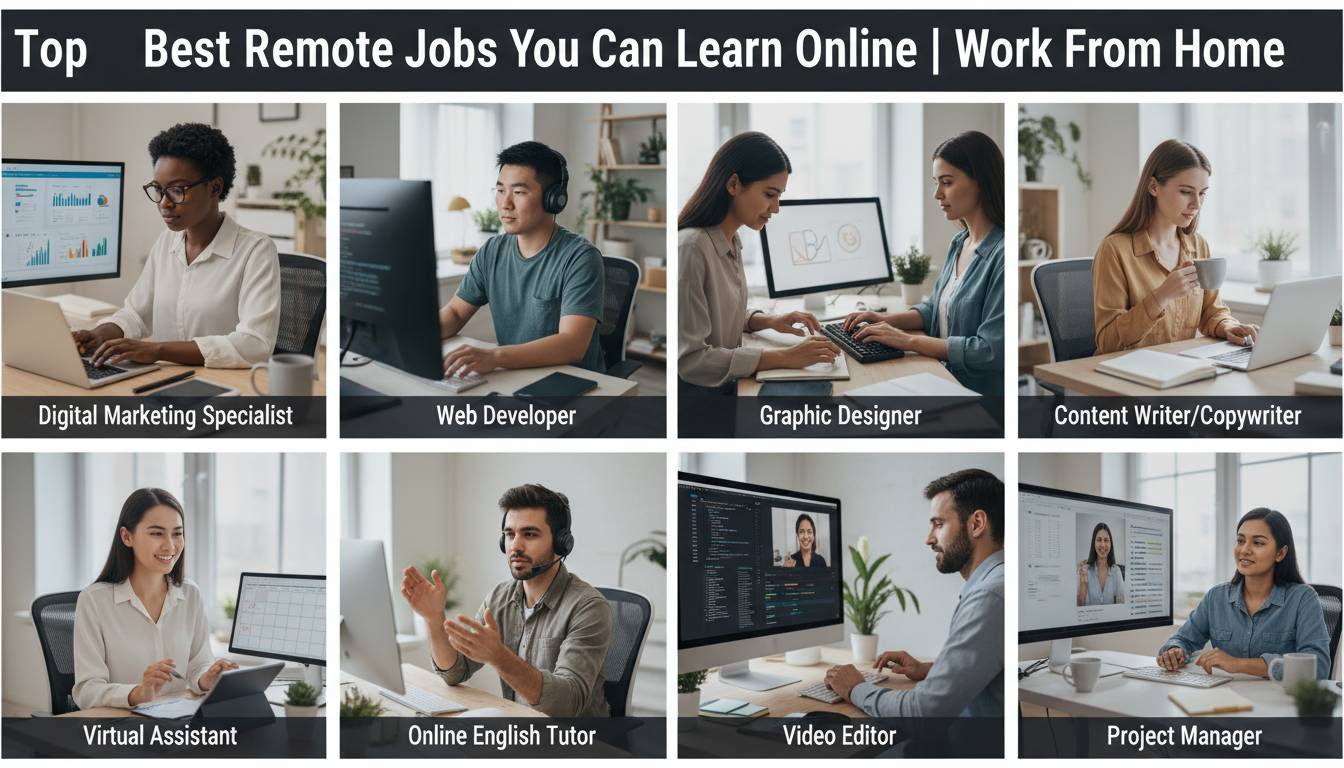
Remote work has fundamentally changed how people approach their careers. What once required a physical office and years of formal education can now be mastered from your living room, often faster than traditional degree programs take to complete. Whether you’re a career changer, a parent seeking flexibility, or someone looking to escape the daily commute, the internet has opened access to profitable remote careers. This guide covers the highest-paying, most accessible remote jobs you can learn entirely online—many within six months or less—and provides the specific skills, salary ranges, and learning pathways you need to get started.
Understanding the Remote Job Market in 2024
The remote work landscape has matured significantly over the past decade. Companies across nearly every industry now embrace distributed teams, creating unprecedented demand for skilled workers who can perform their jobs from anywhere with a reliable internet connection. Remote job postings have increased by over 150% since 2019, with no sign of reversal. This growth has created opportunities for individuals without traditional four-year degrees to enter well-compensated careers, provided they develop the specific skills employers actually need.
What makes certain remote jobs particularly accessible is the availability of quality online education. Platforms like Coursera, Udemy, LinkedIn Learning, and free resources from industry leaders have made it possible to gain job-ready skills without attending a physical campus. The key lies in identifying roles that value demonstrated competence over formal credentials—categories where your portfolio or certification matters more than where you went to school.
Before diving into specific jobs, consider what matters most to you. Compensation varies dramatically across remote roles, with some entry-level positions paying around $30,000 annually while experienced professionals in specialized fields command six figures. Work-life balance differs similarly; customer-facing roles often require rigid schedules, while creative and technical positions typically offer more flexibility. Your ideal remote job depends on your financial needs, desired lifestyle, and willingness to invest time in skill development.
Highest-Paying Remote Jobs You Can Learn Online
1. Software Developer
Software development remains one of the highest-paying remote careers. Developers consistently rank among the highest-paid remote workers, with experienced professionals earning $100,000 to $200,000 or more annually. The role involves designing, building, and maintaining software applications—work that can be accomplished entirely from home with the right equipment.
The learning path typically takes six months to two years depending on your prior technical background. Beginners should start with Python or JavaScript, languages known for their beginner-friendly syntax and wide application. Free resources like The Odin Project, freeCodeCamp, and CS50 from Harvard provide solid foundations. After building foundational skills, specializing in web development, mobile apps, or data science can increase your earning potential. Building a portfolio of projects matters more than collecting certifications; employers want to see code you’ve actually written.
2. UX/UI Designer
User experience and user interface design combine creativity with problem-solving to create digital products people actually want to use. Remote UX designers earn an average of $75,000 to $120,000 annually, with top designers commanding even higher rates. The work involves researching user behavior, creating wireframes and prototypes, and collaborating with developers to bring designs to life.
Learning UX design typically takes three to six months for fundamentals, with ongoing skill development throughout your career. Platforms like Coursera, Interaction Design Foundation, and Google’s UX Design Certificate provide structured learning paths. Building a portfolio is essential—prospective clients or employers will want to see case studies demonstrating your design process and results. Tools like Figma, Sketch, and Adobe XD are industry standards you’ll need to master.
3. Digital Marketing Manager
Companies need skilled marketers to reach customers in an increasingly digital world, making this role consistently in demand. Remote digital marketing managers earn $60,000 to $110,000 annually, depending on specialization and experience. The position encompasses search engine optimization, content marketing, social media strategy, email campaigns, and paid advertising.
The learning curve varies by specialization but generally takes three to six months to become job-ready. Google offers free certifications in Analytics and Ads that carry significant weight with employers. HubSpot provides valuable inbound marketing certification at no cost. Beyond certifications, understanding data analysis and marketing automation platforms like Mailchimp, Hootsuite, and HubSpot increases your value. Practical experience through personal projects or internships helps significantly when applying for positions.
4. Bookkeeper and Accountant
Financial record-keeping is essential for every business, and many companies now outsource this function entirely to remote professionals. Remote bookkeepers earn $40,000 to $65,000 annually, while certified public accountants and enrolled agents can command $70,000 to $100,000 or more. The work involves tracking income and expenses, reconciling accounts, generating financial reports, and ensuring tax compliance.
Bookkeeping fundamentals can be learned in two to four months through courses on platforms like Bookkeeper Launch, Udemy, or community colleges. QuickBooks and Xero certification significantly enhances employability. Those wanting to advance into accounting roles can pursue formal education or professional credentials like the CPA or EA designations, though these require more substantial time investment. Attention to detail and basic math skills matter more than advanced mathematics for most bookkeeping roles.
5. Virtual Assistant
Virtual assistants provide administrative support to businesses and entrepreneurs remotely, handling tasks like email management, scheduling, calendar coordination, data entry, and customer service. Entry-level virtual assistants earn $25,000 to $40,000 annually, while experienced VAs with specialized skills can earn $60,000 or more. The role offers excellent entry points into remote work with relatively low barriers to entry.
Training can begin immediately with basic computer skills and a professional attitude. Courses on platforms like Virtual Assistant Trainer, Udemy, and SHE – CEO provide structured learning. Specializing in areas like real estate virtual assistance, podcast management, or e-commerce support can dramatically increase earning potential. Building relationships with clients often leads to long-term arrangements and referrals, making this a sustainable career path.
6. Content Writer and Copywriter
Businesses need compelling written content for their websites, marketing materials, blogs, and social media. Remote content writers earn $40,000 to $80,000 annually, with copywriters—those who write specifically to drive sales—often earning more. The work involves creating blog posts, website copy, email sequences, product descriptions, and marketing materials that engage audiences and convert readers into customers.
Developing writing skills takes ongoing practice, but basic competency can be achieved within one to three months. Understanding SEO fundamentals helps writers create content that ranks well in search results, increasing their value to employers. Building a portfolio of published work is essential—many writers start with personal blogs or contribute to platforms like Medium before securing paid work. Specializing in specific industries like finance, technology, or healthcare can command premium rates.
7. Graphic Designer
Visual content dominates digital marketing, creating sustained demand for skilled designers who can create logos, social media graphics, presentations, infographics, and marketing materials. Remote graphic designers earn $45,000 to $85,000 annually, with specialized skills and strong portfolios commanding higher rates. The role requires creativity combined with technical proficiency in design software.
Core skills can be developed in three to six months through platforms like Adobe’s learning resources, Canva’s design school, or comprehensive courses on Udemy and Coursera. Mastery of Adobe Creative Suite—particularly Photoshop, Illustrator, and InDesign—remains valuable, though Canva has lowered the barrier to entry for basic design work. Building a diverse portfolio showcasing various project types attracts more clients. Many designers combine freelance work with part-time or full-time positions at agencies.
8. Customer Success Manager
Companies selling software-as-a-service products rely on customer success managers to ensure clients achieve their goals and renew their subscriptions. This role earns $55,000 to $95,000 annually and involves onboarding new customers, providing training, addressing concerns, and identifying expansion opportunities. The position blends customer service with relationship management and product expertise.
Relevant skills can be developed in three to six months, particularly for those with prior customer service experience. Understanding SaaS products and common customer relationship management tools helps significantly. Certifications from platforms like Gainsight or Totango demonstrate expertise in customer success methodologies. Strong communication and problem-solving abilities matter more than formal education for this role.
9. Online Tutor or Teacher
The explosion of online education has created opportunities for subject matter experts to teach remotely. Online tutors and teachers earn $30,000 to $75,000 annually, with specialized test preparation, language instruction, or professional skills commanding higher rates. Platforms like VIPKid, Preply, and Wyzant connect tutors with students seeking personalized instruction.
Qualifications vary by subject and platform—some require teaching credentials or relevant degrees, while others prioritize demonstrated knowledge. Building a reputation on tutoring platforms takes time, but establishing yourself leads to steady income and flexible scheduling. Creating courses on platforms like Teachable or Skillshare provides passive income potential once the initial content is developed.
10. Project Manager
Remote project managers coordinate teams, timelines, and deliverables across distributed workforces. This role earns $65,000 to $110,000 annually and requires strong organizational abilities, communication skills, and comfort with project management methodologies. The position involves planning projects, assigning tasks, tracking progress, managing budgets, and ensuring goals are met.
Project management certifications like PMP, CAPM, or Scrum Master credentials significantly enhance employability and earning potential. These certifications require some experience but can be pursued through structured exam prep courses. Understanding tools like Asana, Trello, Monday.com, and Jira matters for most positions. The role suits organized individuals who enjoy bringing order to complex undertakings.
Remote Jobs for Beginners with No Experience
Breaking into remote work without prior experience requires a strategic approach. Certain roles offer lower barriers to entry, making them ideal starting points for those new to the remote job market.
Data Entry Clerk positions represent one of the most accessible remote jobs, requiring only basic computer skills and attention to detail. Earnings typically range from $25,000 to $35,000 annually. The work involves inputting information into databases, spreadsheets, and systems—repetitive but flexible.
Transcriptionist roles convert audio recordings into written text. Entry-level transcriptionists earn $15 to $25 per hour, with experienced transcriptionists in specialized fields commanding higher rates. General transcription platforms like Rev, TranscribeMe, and GoTranscript offer initial opportunities. Medical and legal transcription require additional training but pay significantly more.
Chat Support Representative positions provide customer service through live chat interfaces. Companies like Amazon, Apple, and numerous startups hire remote chat support workers at $15 to $25 per hour. This role develops valuable customer service skills that transfer to higher-paying positions.
Moderator roles monitor social media platforms, forums, or community spaces for inappropriate content. The position typically pays $15 to $22 per hour and offers exposure to digital community management—a valuable skill for career advancement.
Jobs Requiring Certification or Special Training
Some remote positions require formal credentials, but these investments often pay off quickly through significantly higher earning potential.
Registered Nurse positions can transition to remote case management, utilization review, or telehealth roles, earning $75,000 to $100,000 or more. Transitioning from clinical nursing to remote nursing typically requires maintaining active licensure and may need additional certifications in case management or health information management.
Medical Coding and Billing professionals assign standardized codes to medical procedures for insurance billing. Remote positions pay $40,000 to $65,000 annually, with certification through organizations like the AAPC or AHIMA significantly improving job prospects. Training programs typically last three to six months.
Paralegal roles have expanded into remote arrangements, with paralegals earning $45,000 to $75,000 annually. Formal paralegal education or certificates enhance employment prospects, though some positions accept relevant experience.
Human Resources Specialist positions increasingly operate remotely, handling recruiting, onboarding, benefits administration, and employee relations. A bachelor’s degree in human resources or related field helps, though some positions accept equivalent experience. Earnings range from $50,000 to $85,000 depending on responsibilities and experience.
Skills That Translate Across Remote Jobs
Regardless of which remote career path you pursue, certain skills consistently increase employability and earning potential across the remote job market.
Digital communication abilities—including clear written expression, comfort with video conferencing, and proficiency in collaboration tools—underpin success in virtually all remote roles. Practice articulating yourself clearly in writing, as remote work eliminates much of the casual verbal communication that occurs in offices.
Time management and self-discipline matter enormously when working from home. Remote workers must structure their own days, avoid distractions, and maintain productivity without external oversight. Developing routines, creating dedicated workspaces, and using productivity tools help build these habits.
Basic technical literacy includes comfort with cloud-based tools, file management, troubleshooting common tech issues, and maintaining cybersecurity practices. Most remote jobs require these foundational skills, and gaps in technical ability can limit opportunities.
Adaptability and continuous learning characterize successful remote workers. The remote job market evolves rapidly, with new tools, platforms, and best practices emerging constantly. Those who embrace ongoing learning maintain competitive advantages throughout their careers.
How to Land Your First Remote Job
Securing that first remote position often requires proving yourself in ways traditional employment doesn’t demand. Many employers remain cautious about hiring remote workers without track records, making strategic approaches necessary.
Building an online presence through LinkedIn, personal websites, or industry-specific platforms demonstrates professionalism and visibility. Showcase your skills through portfolio work, even if created through personal projects rather than paid employment. Volunteer work or freelance projects build experience that makes you more attractive to potential employers.
Applying strategically matters more than mass-submitting applications. Research companies known for remote-friendly cultures, targeting positions that explicitly mention remote work rather than assuming flexibility exists even when unstated. Tailoring application materials to each position shows genuine interest rather than generic interest.
Starting with freelance or contract work provides entry points while building relationships that may lead to more permanent arrangements. Platforms like Upwork, Fiverr, and Toptal connect freelancers with clients seeking specific skills. Initial rates may be modest, but successful projects generate testimonials and repeat business.
Interviewing for remote positions requires demonstrating that you possess the self-management abilities the role demands. Emphasize your ability to communicate proactively, manage your own schedule, and maintain productivity without direct supervision. Providing examples of successfully completed independent projects strengthens your case.
Conclusion
The remote job market offers genuine alternatives to traditional office careers, with opportunities spanning nearly every skill level and professional interest. Whether you’re seeking entry-level positions requiring minimal training or specialized roles demanding extensive certification, paths exist to build sustainable remote careers. Success requires identifying roles aligned with your skills and interests, investing in necessary education, building practical experience through projects or freelance work, and demonstrating the self-discipline remote work demands.
The most important step is starting. Identify two or three roles that interest you, research their specific requirements, and begin developing relevant skills. Most remote jobs accessible through online learning can be pursued while maintaining current employment, allowing gradual transition rather than disruptive career change. The remote work revolution continues creating opportunities for those willing to develop in-demand skills—your remote career can begin today.
