

 March 14, 2026
  5 Min
5 Min  No Comment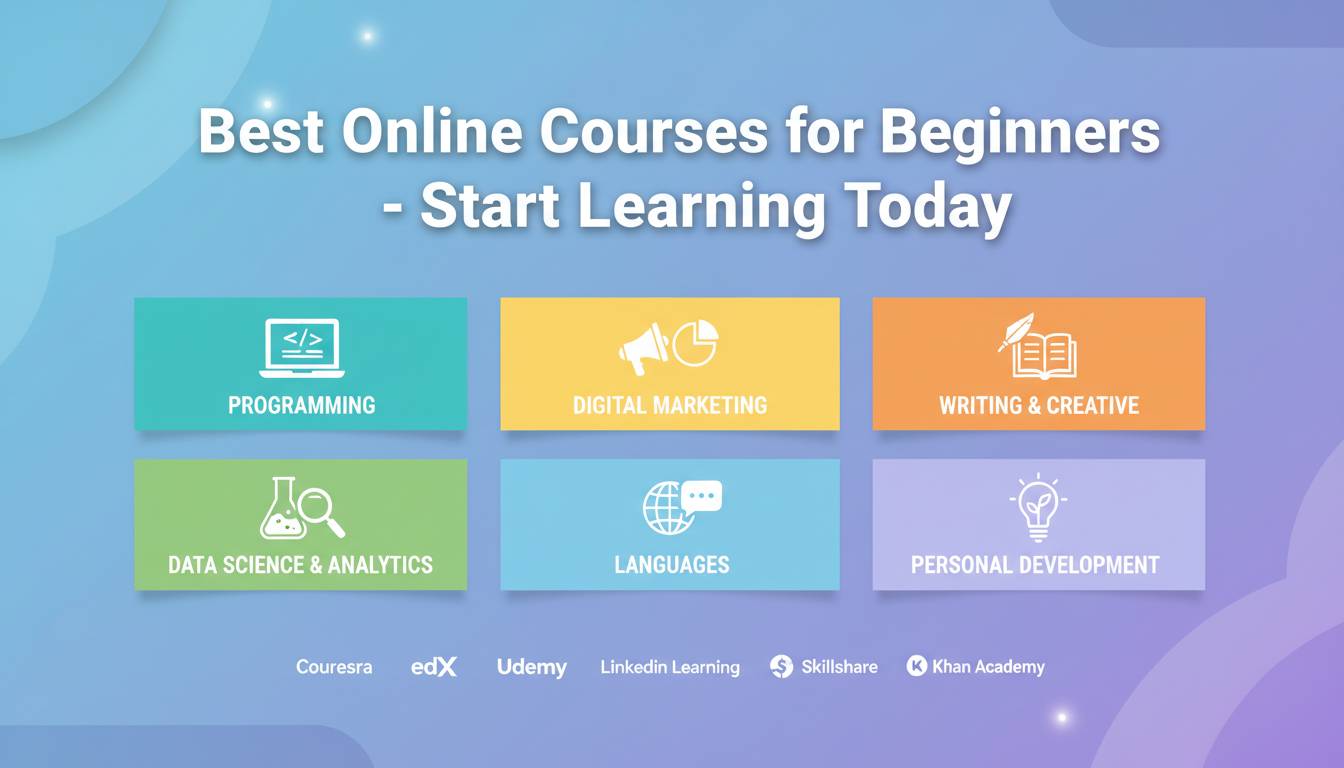
From testing dozens of platforms over the past few years, I’ve found that online learning has genuinely become one of the most accessible paths to building new skills. If you’re just starting out, the sheer number of options can feel paralyzing. This guide cuts through the noise with what actually matters when choosing your first online course.
Why Beginners Are Turning to Online Learning
The e-learning market continues expanding rapidly—the global online education market was valued at approximately $400 billion in 2023 and is projected to reach $456 billion by 2027, according to Statista. For beginners, this growth translates to more options than ever across virtually every subject imaginable.
In my experience reviewing these platforms, high-speed internet and smartphones have democratized education. You don’t need to relocate or pay expensive tuition to access quality instruction from practitioners who work in the field. You can study from home, on your own schedule, often for a fraction of what traditional education costs.
This approach works particularly well for career changers, parents, anyone juggling demanding schedules. Online courses adapt to real life, not the other way around.
Top Platforms for Beginner Courses
Based on extensive testing and comparison, here’s where to focus your search:
Coursera
Coursera partners with universities like Yale, Stanford, and the University of Michigan. Many courses are built for true beginners—no experience needed. You can audit courses for free, or pay for a verified certificate if you want credentials to show employers. Expect video lectures, readings, quizzes, and peer-graded assignments.
Udemy
Udemy hosts over 213,000 courses covering technical skills, personal development, creative work—nearly everything. The rating system helps you judge quality before buying, and sales happen frequently. Many intro courses run $15-20. You get lifetime access once you buy, so you can return whenever you need a refresher.
edX
Founded by MIT and Harvard, edX maintains rigorous academic standards. You access the same materials used in actual university classes. They offer individual courses plus professional certificates and MicroMasters programs that can count toward graduate degrees. Worth considering if you want recognized credentials behind your learning.
Skillshare
Skillshare focuses on creative skills—design, photography, writing, entrepreneurship. The subscription model provides unlimited access to everything, which encourages exploring different areas without additional cost. Most courses assume no prior knowledge and include hands-on projects so you can build a portfolio while learning.
What Actually Matters When Picking a Course
Skip the marketing noise. Here’s what to evaluate:
Course structure: Does it build gradually? Look for clear learning objectives and summaries that reinforce what you just learned.
Instructor background: Check if they have real experience in the field, not just teaching credentials. Preview lectures help you figure out if their teaching style works for you.
Support options: Discussion forums, Q&A sections, peer interaction—these matter when you get stuck. Some courses offer direct instructor access for personalized help.
Time requirements: Be honest about what you can actually commit. Self-paced works if your schedule varies week to week; set deadlines help if you need external accountability.
Certificates: Only matters if you’re job hunting. Some employers care; others don’t. Research what matters in your specific field before paying extra.
What’s Changing in Online Learning
Several developments worth noting:
AI is enabling adaptive learning on some platforms—adjusting difficulty based on your performance, offering more challenge when you excel and additional support when you struggle. VR and AR are beginning to appear in fields like healthcare and design, letting beginners practice in realistic simulations without real-world consequences.
More employers are accepting micro-credentials and digital badges. Certificates from established platforms carry more professional weight than they did a few years ago, according to research from the World Economic Forum on the future of credentials.
Wrapping Up
There’s never been more access to quality learning for beginners. Choose platforms that fit your goals, your budget, and how you actually learn. Showing up consistently matters more than which specific platform you select—that’s what actually produces results.
The tools are available. Starting is what counts.
FAQ
Which platform should I use as a complete beginner?
Coursera, Udemy, edX, and Skillshare all work well for beginners. It depends on what you want to learn and why. Coursera and edX if you want academic credibility. Udemy for variety and low cost. Skillshare for creative fields.
How much do these courses cost?
Free to audit on Coursera and edX. Paid certificates run $50-300. Udemy courses often $15-20 on sale. Skillshare about $13/month for unlimited access.
Do employers take online certificates seriously?
It varies by industry. Certificates from recognizable platforms carry more weight than before, especially when they demonstrate skills relevant to the job. Professional certificates mean more than basic completion badges.
How long does a beginner course take?
Most take 4-12 weeks at 1-3 hours per week. Some intensive options run 2 weeks; others are self-paced.
Can I really learn programming as a beginner online?
Yes. Plenty of programming courses assume zero background. Python, JavaScript, web development, data science—all have solid beginner options across multiple platforms.
Any tips for actually finishing a course?
Set a schedule and stick to it. Join course communities. Build projects with what you learn. Track your progress. Clear goal-setting maintains momentum.
The post Best Online Courses for Beginners – Start Learning Today appeared first on boostelearning.