

 February 13, 2026
  7 Min
7 Min  No Comment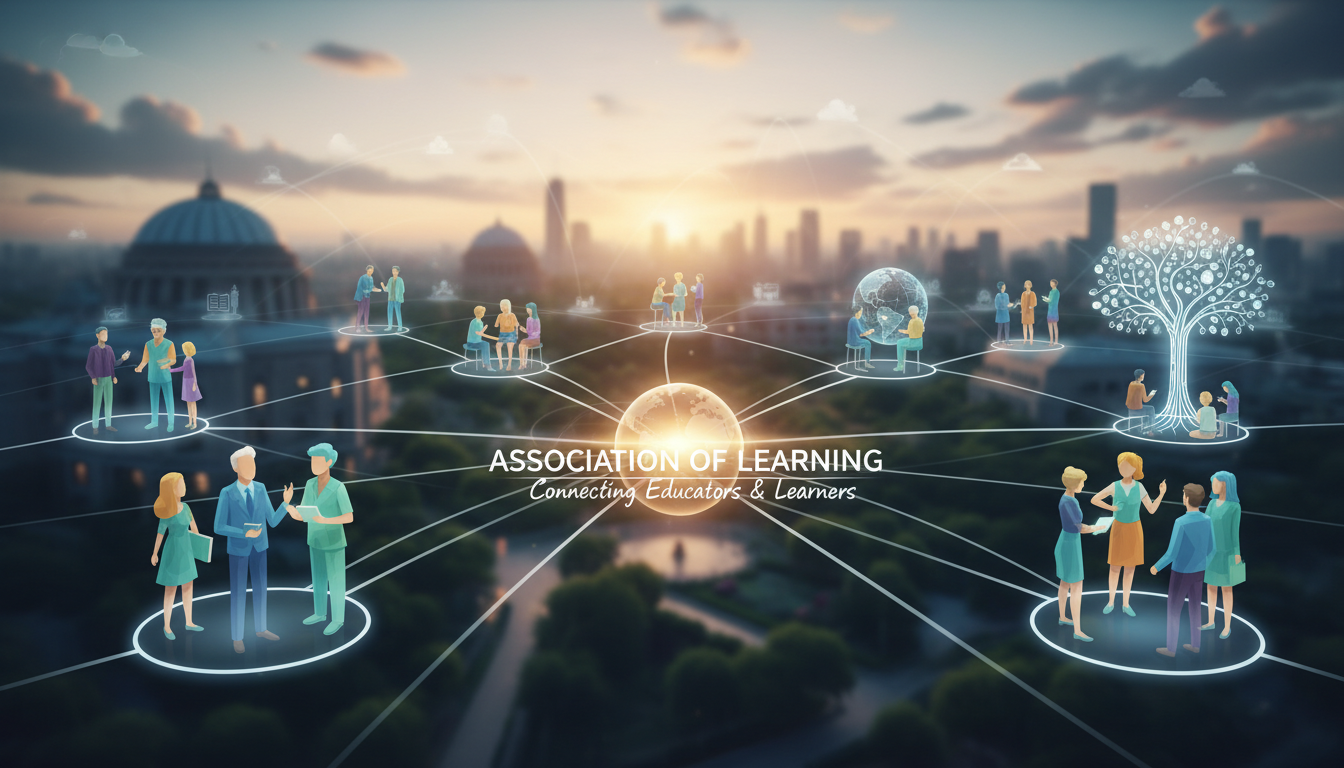
A glance at the phrase “Association of Learning: Connecting Educators & Learners” evokes an ecosystem where educators and learners aren’t siloed—where they share, grow, and evolve together in ways that feel both dynamic and intentional. This is no dry institutional network. Instead, it’s a living, beating community bound by a shared thirst for connection, discovery, and, yes, a little imperfection.
In real life, that’s what this kind of association tries to be—a place where teachers learn as much as students and vice versa. And this is what this article explores: the architecture of that connection, what makes it tick, and why it matters more than ever.
Support Structures for Educators and Learners
Establishing trust, clear goals, and a framework for mutual learning is central to helping both teachers and students feel empowered. Associations often anchor this through:
Community and Networks
Communities provide a safe space for collaboration, empathy, and creative problem-solving. For instance, the Association of LD Schools (ALDS) connects schools that serve students with learning differences, fostering collaboration and resource-sharing among over 200 member schools across the U.S. .
On a broader stage, the Online Learning Consortium (OLC) brings together faculty, instructional designers, and administrators to improve online education through shared research, conferences, and publications . These networks illustrate how connection transforms isolation into collective wisdom.
Professional Development Pathways
Continued learning is the backbone of educational growth. The Arizona Association for Lifelong Learning (AALL) hosts virtual conferences for adult educators, providing workshops, advocacy training, and scholarships—all aimed at empowering those who then empower others .
Similarly, the Alabama Association for Public Continuing and Adult Education (ALAPCAE) fosters adult learning through professional development, advocacy, and strategic partnerships, even influencing state policy like Alabama’s REACH Act . Through these structures, educators model lifelong learning, reinforcing a culture where curiosity fuels continuous improvement.
Learning in the Flow: Agency, Collaboration, and Real-World Engagement
At the heart of effective learning associations lies an emphasis on agency, co-learning, and authentic engagement through technology and community.
Learner Agency and Co-Learning
Connected Learning Alliance emphasizes learner agency—allowing students to co-design their educational journey—and co-learning, where educators model vulnerability and experimentation . This approach turns mistakes into teachable moments and students into collaborators, not passive receivers.
Project-Based and Networked Learning
By encouraging tinkering and making as part of learning, educators help students build not just skills but also confidence and self-direction . Teaching becomes less about rote delivery and more about crafting environments where learners co-create and problem-solve—turning ordinary tasks into powerful learning experiences.
Digital & Civic Integration
Partners in connected learning nurture media literacy and civic engagement, recognizing the educator’s role in guiding youth toward meaningful, participatory citizenship . It’s not just content—it’s context, responsibility, and that messy, beautiful human connection.
Case Examples That Illustrate the Impact
Putting these theories into action reveals how associations operate in real-world settings:
ALDS: Amplifying Neurodiverse Learning Communities
A school like Jemicy, focused on dyslexia, into ALDS’s fold gains more than terms—it’s affirmation that students with learning differences are smart, capable, and just need educators who understand communal insight and strategy . The association offers affinity groups, trainings, and collaboration that ripples out across institutions.
OLC: Operationalizing Online Excellence
OLC’s conferences and peer-reviewed publication, the Online Learning Journal, create a shared language and an evolving toolkit for online educators . Their collaborations inform policy, elevate program quality, and grow a community committed to digital learning improvement.
AALL and ALAPCAE: Adult Learner Advocates
These regional associations stand at the intersection of advocacy, community, and education. AALL gears adult educators with tools, scholarships, and statewide events that fuel practice and pride . Meanwhile, ALAPCAE doesn’t just train educators—it drives policy, such as integrating the REACH Act into law, elevating adult learning across Alabama .
What Makes These Associations Thrive? Key Principles
Several common threads emerge when you look across these associations:
- Intentional inclusion: Whether it’s neurodiverse students, adult learners, or digital educators, inclusivity is built into the mission—not tacked on.
- Peer-powered growth: Education becomes collective wisdom, not just top-down. Learning from each other is the norm.
- Adaptability through practice: Whether via virtual summits or community labs, these groups meet educators and learners in real needs and contexts.
- Advocacy embedded in mission: It isn’t just teaching—it’s shaping policy, culture, and understanding.
- Agency over prescription: Educators and learners shape the journey together, fostering ownership, engagement, and impact.
Strategic Layers: Frameworks for Association Impact
Thinking of an Association of Learning as layered systems helps unpack its complexity:
Layer 1: Mission & Vision
Clear values anchor genuine connection. ALDS’s belief that “every student … deserves the opportunity to excel” reorients efforts toward equity and neurodiverse strengths .
Layer 2: Network Design
Intentional structuring—like affinity groups and summits—makes collaboration easy and consistent. OLC’s conferences and journals are prime examples .
Layer 3: Learning Pathways
Building opportunities for educators to learn, share, and practice is core. The “learn it today, use it tomorrow” model from Academy for Educators highlights how practical professional learning can be transformative .
Layer 4: Advocacy & Influence
Policy and awareness are not afterthoughts. ALAPCAE’s push for the REACH Act shows how associations use their collective voice to shape systems .
Layer 5: Storytelling & Trust
Quotes from educators, spotlight case studies, and ongoing dialogue build trust. Remember this: when the assistant PAINS open up, others feel safe doing so—it’s how co-learning starts.
“We not only recognize the learning profiles of our students but celebrate them. We help our students rediscover that they’re smart and capable.”—Jennifer Topple, ALDS Board Member
Conclusion
Associations that succeed at connecting educators and learners do more than organize events—they create ecosystems. They shape environments where professionals grow, learners thrive, and communities advance together. From virtual conferences to co-learning workshops, policy advocacy to peer-driven networks—these associations show that when we design for connection, we elevate not just individuals, but entire systems.
Whether building a regional adult ed network, serving neurodiverse learners, or designing online learning frameworks, the key remains the same: include, collaborate, adapt, and advocate. Every educator and learner deserves that kind of enriching ecosystem.
FAQs
What is the purpose of an “Association of Learning”?
Such associations aim to connect educators and learners through shared resources, communities, and collaborative practices. They foster both professional growth and learner empowerment by aligning values, structures, and actions.
How do these associations support educators in adult education?
Organizations like AALL and ALAPCAE offer professional development, virtual conferences, and advocacy initiatives—helping adult educators role-model lifelong learning and influence policy.
What role does co-learning play in these communities?
Co-learning encourages educators and learners to share discovery and vulnerability. It shifts the dynamic from top-down teaching to mutual exploration, fostering deeper engagement and growth.
How do associations like ALDS specifically support neurodiverse learners?
ALDS connects schools specializing in learning differences via training, events, and affinity groups, helping educators share best practices and affirm every student’s potential.
Why is advocacy important for educational associations?
Advocacy ensures that the expertise and focus of these associations—whether for adult learners or students with learning differences—shape educational policy, funding, and broader systems rather than remain isolated.
What are the key ingredients for a successful educator–learner association?
Clear mission, inclusive network structures, practical learning pathways, advocacy practices, and authentic storytelling—these align to build trust, enable growth, and sustain impact.
