

 February 24, 2026
  11 Min
  No Comment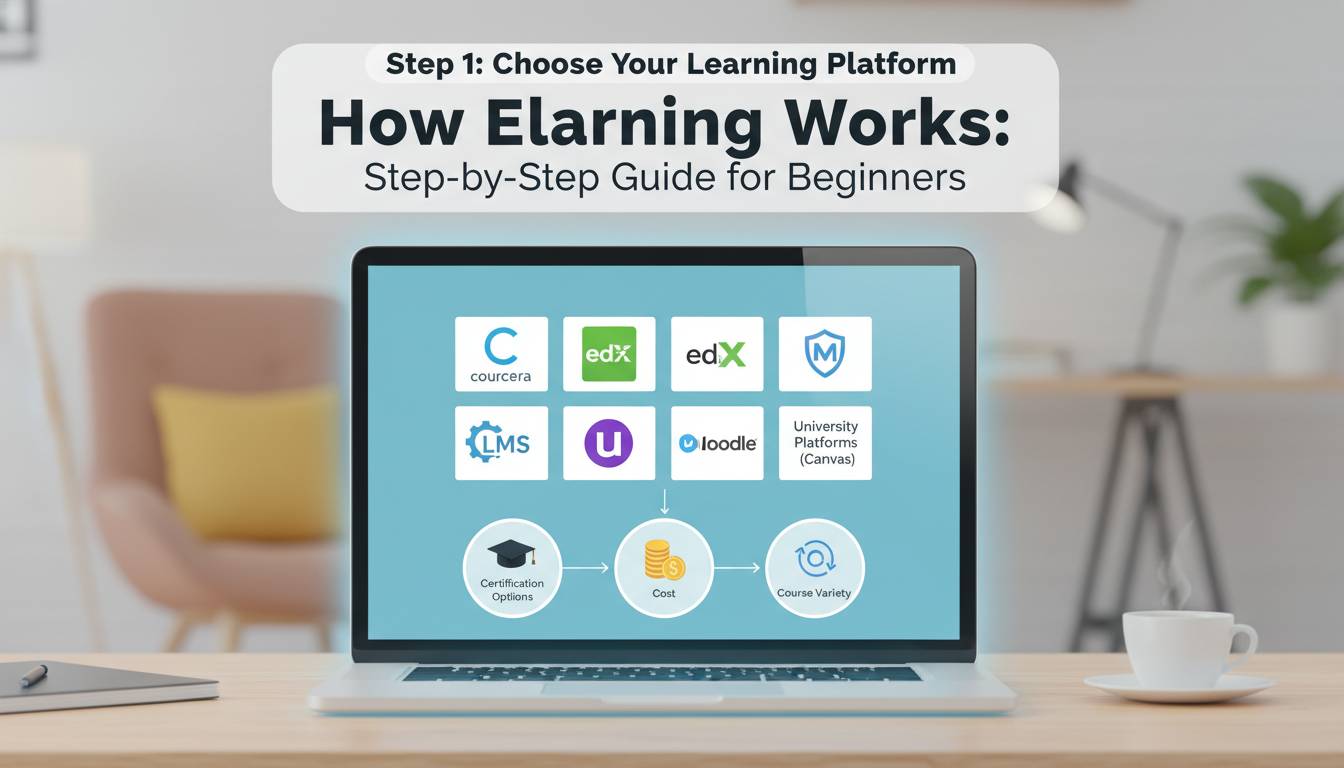
So you’re thinking about diving into eLearning? Maybe you’ve been putting it off, or perhaps you’re just curious about how all these online courses actually work behind the scenes. Either way, you’ve come to the right place.
This guide walks you through the entire eLearning process, from how courses are created to how you can actually succeed as an online learner. I’ll cover the technical stuff—LMS platforms, content delivery, assessments—but I also want to share some practical insights that most guides gloss over. Because here’s the thing: understanding the mechanics is one thing, but knowing how to make it work for you is another.
Let’s start with the basics.
What is eLearning?
eLearning simply means learning that happens over the internet through digital platforms. It includes self-paced courses, video lectures, live virtual classrooms, interactive simulations, and more. The big difference from traditional classroom learning is flexibility—you can access educational content from anywhere in the world, on your own schedule.
The concept isn’t new. Universities and corporations started experimenting with online training in the 1990s, but the real explosion happened in the last decade or so. Smartphones became ubiquitous, internet speeds improved dramatically, and cloud-based platforms made it possible to deliver rich educational experiences to anyone with a connection.
What makes modern eLearning stand out is personalization. Platforms use algorithms and data analytics to adapt to each learner’s pace, preferences, and performance. A good eLearning system will adjust difficulty based on how you’re doing, which can lead to better retention than a one-size-fits-all classroom approach.
How eLearning Works: The Core Process
Here’s where it gets interesting. The eLearning lifecycle involves several moving parts that all connect to deliver a working educational experience.
Step 1: Course Creation
This is where it starts—instructors or course creators develop content specifically for online delivery. That means defining learning objectives, structuring the curriculum, and creating videos, presentations, quizzes, and reading materials. The key difference from traditional teaching is that everything has to work in a digital format, which usually means breaking content into smaller, digestible modules.
Good course creators follow a systematic process. They figure out what students should know or do by the end, then design assessments to measure whether those goals were met. Many use specialized authoring tools to build interactive elements, embed quizzes, and organize information logically. The best courses include practical exercises, case studies, and real-world examples—stuff that helps learners actually apply what they’re learning.
Step 2: Learning Management System (LMS)
The LMS is the central hub where everything comes together. It’s the software platform that stores, organizes, and delivers course materials to learners. Think of it as your digital classroom—it holds video lectures, reading materials, discussion forums, grade books, and more.
LMS platforms vary quite a bit. Some are simple cloud solutions; others are comprehensive enterprise systems. Most handle user authentication, course enrollment, progress tracking, and assessment delivery. Modern platforms have interfaces that make it relatively easy to navigate courses, access content, and communicate with instructors. They also generate analytics that both learners and instructors can use to monitor performance.
Step 3: Content Delivery
Once a course is loaded onto an LMS, the content delivery system kicks in to get materials to learners. This means streaming video, displaying text and images, serving interactive elements like simulations and quizzes. The system needs to work across different devices—desktops, laptops, tablets, smartphones—because learners often switch between them.
Platforms use various strategies to optimize delivery. Video often uses adaptive streaming that adjusts quality based on your connection speed. Text materials might let you adjust font sizes and reading modes. Some platforms offer offline access, letting you download content for viewing without internet—useful if your connection is spotty.
Step 4: Learner Interaction
This is one area where eLearning gets a bad rap. People assume online learning is isolating, and it can be if you let it. But meaningful interaction is available if you seek it out.
Interaction includes discussion forums, group projects, live Q&A sessions, and peer feedback on assignments. Many platforms have social learning features that try to recreate the collaborative feel of traditional classrooms. Discussion boards let you ask questions, share insights, and learn from others. Some courses include virtual study groups or mentorship programs.
The social aspect matters. It helps combat the isolation some online learners experience and can significantly improve the overall experience.
Step 5: Assessment and Feedback
Evaluating progress is critical. Assessments come in many forms: multiple-choice quizzes, written assignments, practical projects, proctored exams. The goal is measuring whether you’ve achieved the intended learning outcomes while giving useful feedback that guides your growth.
Feedback is especially important online because you don’t get the immediate visual cues from instructors that classroom students receive. Automated systems can grade quizzes instantly. More complex assignments require human review and personalized comments. Either way, this feedback loop helps you understand strengths and weaknesses, identify areas needing more work, and track progress toward completion.
Step 6: Progress Tracking
LMS platforms maintain detailed records of your journey—which modules you’ve completed, how you performed on assessments, time spent on different sections, overall completion status. This data serves multiple purposes: helping you stay motivated by seeing progress, giving instructors insights into course effectiveness, and creating records for professional or academic purposes.
Progress tracking often includes certificates, badges, and milestones that recognize achievements. Many platforms let you create portfolios of your work, useful for career advancement.
Types of eLearning
Understanding the different formats helps you choose what fits your life.
Synchronous eLearning happens in real-time—live video sessions, webinars, chat-based classes. This feels most like traditional classroom instruction with instant feedback and group discussion. The downside: you need to be available at specific times, which doesn’t work for everyone.
Asynchronous eLearning gives you maximum flexibility. Access materials and complete assignments on your own schedule. Pre-recorded lectures, self-paced reading, discussion boards where you contribute when convenient. Ideal for working professionals, parents, anyone balancing learning with other responsibilities.
Blended learning combines both approaches—some live interaction mixed with self-paced study. Many programs use this hybrid model, recognizing that different learning objectives suit different delivery methods.
Self-paced eLearning puts you in complete control. Move through material at whatever speed works for you. Good if you already have some background knowledge or want to breeze through familiar material. But it requires self-discipline to avoid falling behind.
Benefits of eLearning for Beginners
The flexibility to learn from anywhere is probably the biggest draw. Home office, coffee shop, while traveling—the classroom goes wherever you do. No commute, no scheduling headaches.
Cost is another significant factor. Online courses typically cost much less than traditional programs, and many platforms offer free courses or financial aid. Beyond tuition, you avoid transportation, parking, textbooks, and other expenses that add up fast.
Personalization through adaptive algorithms is genuinely powerful. The platform adjusts to your needs, suggesting resources that address gaps in your knowledge. You always work at an appropriate level—not bored by easy material, not overwhelmed by something too advanced.
The ability to learn at your own pace is particularly valuable when you’re starting out. Need to rewatch that explanation three times? No problem. Already know something? Skip ahead. This efficiency makes better use of your time.
Essential Tools and Platforms to Get Started
You don’t need much to start. A reliable device with internet access, a web browser, and basic file management ability. Most platforms work fine with standard consumer equipment, though a larger monitor and keyboard improve the experience for longer sessions.
Get comfortable with your LMS. Most platforms offer tutorials for new users—spending time exploring the interface before diving into course content pays off. Figure out notification settings, calendar tools, and progress tracking dashboards.
Productivity tools help too. Note-taking apps capture key insights. Mind-mapping tools visualize connections between concepts. Calendar apps schedule study sessions and set deadline reminders.
For courses with synchronous elements or group projects, you’ll use video conferencing, instant messaging, and email. Understanding online discussion etiquette helps you engage effectively with instructors and peers.
Tips for Succeeding in eLearning
Success takes more than just signing up. It requires habits that support consistent learning.
Create a dedicated study space free from distractions. A quiet corner with good lighting works fine. The goal is an environment where you can focus deeply.
Time management is crucial. Build a realistic schedule and stick to it. Many successful learners treat study sessions like appointments—blocked time protected from other obligations. Regular smaller sessions beat occasional marathons for retention and avoiding burnout.
Engage actively with the material. Take notes, ask questions, complete optional exercises, apply concepts to real situations. Teaching what you’ve learned to others is one of the most effective ways to solidify understanding.
Build connections. Discussion forums, study groups, reaching out when you need help—these create community that makes learning more enjoyable and sustainable. Accountability partners help maintain consistency.
Common Challenges and How to Overcome Them
Procrastination and lack of motivation are the most common obstacles, especially in self-paced courses. Create external structures: deadlines, accountability systems, rewards that keep you moving forward even when motivation dips.
Technical difficulties happen. Internet issues, browser problems, platform glitches—have backup plans. Alternative internet options, updated software, knowing how to access support when needed.
Feelings of isolation can develop without regular face-to-face interaction. Actively seek connection through forums, virtual study groups, social communities related to your topic. Some learners find in-person accountability partners helpful.
Staying focused at home requires conscious effort. Identify your personal distraction triggers. Use website blockers, turn off notifications, establish boundaries with family about study time. A pre-study routine—making tea, reviewing notes—signals to your brain that it’s time to focus.
Frequently Asked Questions
What do I need to start eLearning?
You’ll need a device (computer, tablet, or smartphone), reliable internet, and a standard web browser—no specialized software required. Beyond technology, commitment and time management skills matter most. Many platforms offer free trials so you can test the experience before spending money.
Is eLearning as effective as traditional learning?
Research shows eLearning can be equally or more effective, depending on context. Studies find online learners often perform better than traditional students, likely due to self-paced learning and interactive elements. But effectiveness depends on course quality, your motivation, and whether the format matches the content.
How long does it take to complete an eLearning course?
It varies widely. Short courses might take hours; comprehensive programs might require months or years. Self-paced courses offer the most flexibility. Structured courses with fixed schedules typically indicate completion times from several weeks to a few months.
What are the most popular eLearning platforms?
Coursera partners with universities for courses, degrees, and certificates. Udemy offers a massive marketplace on almost any topic. edX, from Harvard and MIT, provides university-level content including free options. LinkedIn Learning focuses on professional development. The best platform depends on your goals, budget, and preferred learning style.
Conclusion
eLearning has changed how people access education and develop skills. Understanding the process—from creation through delivery, interaction, assessment, and tracking—helps you navigate this landscape more effectively.
The benefits go beyond convenience and cost. Personalized experiences, self-paced learning, and access to quality instructors make online education genuinely powerful. Challenges exist, but they’re manageable with the right strategies and support.
Your success depends on commitment, time management, active engagement, and connection with others. Approach your eLearning journey with intention, use the tools available, and you can achieve your educational goals.
