

 February 15, 2026
  7 Min
7 Min  No Comment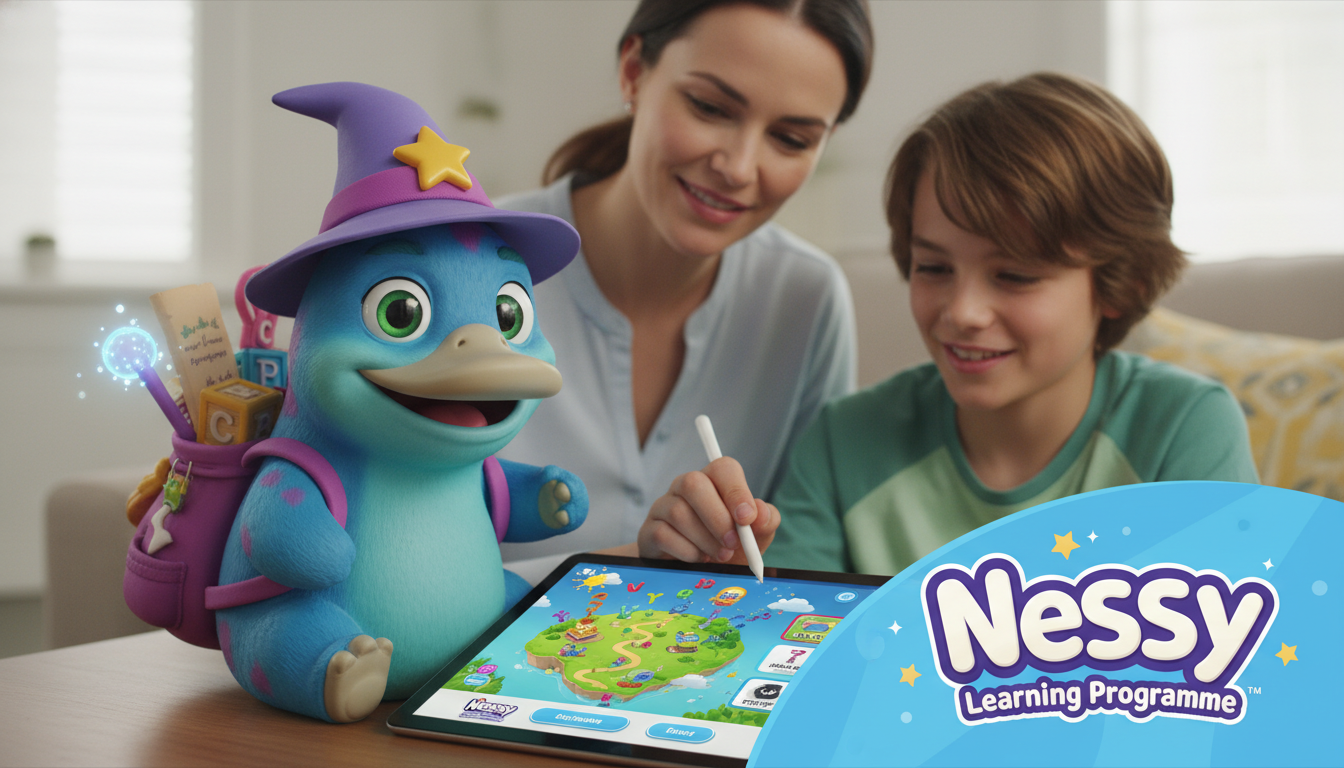
It’s funny how we often underestimate the power of learning tools until they truly matter—especially when it comes to dyslexia. Nessy Learning Programme is kind of like having a patient tutor in your pocket…or perhaps on your tablet. Through its playful animations, adaptive lessons, and tailored strategies, it aims to support kids in a way that feels friendly—not clinical—even when the going gets tough. As parents, educators, or specialists, many of us have watched a child light up when “reading made sense for once,” and that’s the kind of moment Nessy strives for.
Beyond the fun, there’s genuine merit: structured phonics, multisensory activities, and progress tracking so that no child gets lost in the shuffle. This article walks through how Nessy crafts a personalized learning journey for kids with dyslexia, weaving in real-world insights, occasional imperfections in learning curves, and—hopefully—a clear narrative flow that doesn’t read like a textbook.
How Nessy Embeds Personalized Learning Paths
Crafting a learning path that actually fits a kid is where Nessy makes the difference. It starts with assessment games that aren’t intimidating—they genuinely feel like play. Through early phonological tasks, it determines reading readiness, then builds from there. The programme continually adapts: if a learner struggles with “th,” for instance, Nessy loops back until confidence builds.
This adaptability mirrors principles supported by educational research: multisensory reinforcement and frequent feedback loops significantly aid reading retention. In other words, Nessy doesn’t throw a generic lesson at every child—it offers one that responds to them. Kids might flub a few sounds, stumble over a word or two, or hit the right pattern and light up—and those small missteps are part of the process, not code to worry about.
Seeing Adaptation in Action
It can look something like this: a learner in the early stages begins with short vowel sounds, then hits a tougher concept like blends or digraphs. Nessy notices the hesitation and provides extra practice. Soon, the learner sees consistent progress—not unlike training wheels on a bike. It’s gradual, reactive, and often feels surprisingly effortless.
“The difference is subtle but powerful: real-time feedback lets learners gently course-correct without feeling stalled.”
That quote? Feels like what teachers say when describing strong scaffolding. It’s not a feature you brag about; it’s a backbone that makes the programme feel intuitive.
Multisensory Engagement: Why It Works
Let’s be honest—reading instruction can be dry. Flashcards, worksheets, drills… yawn. Nessy combats that with animation, sound, tapping, dragging, and even mini games that reward more than just “getting it right.” For many kids, feeling a letter or hearing a sound while seeing the shape makes concepts stick longer.
In practice, this approach draws on the Orton–Gillingham method, which emphasizes multisensory instruction. Though Nessy isn’t a pure OG programme, it borrows crucial elements: blending, segmenting, tactile prompts. Studies consistently show that such methods help learners with dyslexia absorb and retain phonetic patterns more effectively.
Imagine a learner encountering “knight”—they don’t simply memorize that the “k” is silent; they see the word, hear the parts, and maybe even trace the letters. That multisensory touchpoint feels less overwhelming than guessing contextually. Over time, patterns click, and fluency grows.
Real-World Examples: Small Wins, Big Impact
I remember hearing about a nine-year-old, Alex, who always froze at reading aloud. After a few weeks of Nessy, he began recognizing common sight words and reading with volunteer-run pronunciation sessions. Teachers noted that his reading stamina increased—what used to fluster him gradually became more manageable and even enjoyable.
Another case: a classroom with five students on the dyslexia spectrum adopted Nessy as supplemental homework. One child, Mia, earned small badges for improving spelling scores; for the others, the program’s reporting helped teachers tweak classroom instruction. The result: incremental but consistent improvement, and less anxiety overall.
These scenarios underscore something crucial: it’s not about overnight miracles. It’s about persistent, tailored effort that turns frustration into confidence. Nessy tracks progress, celebrates errors as opportunities, nudges the learner forward—and that’s a subtle magic many textured programmes neglect.
Broken Moments Matter Too
Real talk: personalization isn’t smooth 24/7. Sometimes Nessy suggests a digraph that still trips the learner, or animations feel slow on older devices. In those moments, learners (and caregivers) may slip into impatience or plug away out of routine rather than engagement. These small friction points matter—even expert-designed tools stumble.
However, Nessy often compensates with quick videos, encouraging messages, or tiny virtual stickers. It’s not perfect, and sometimes kids may complain, “Again? Ugh!” But that’s human, too—and real learning cycles through boredom, breakthrough, and repetition. If Nessy stumbles, it resets—and that resilience is key.
How Educators and Parents Amplify Nessy’s Impact
Nessy works best when connected—paired with an attentive adult or teacher. Here’s how that pairing often looks:
- Educators use Nessy’s reporting dashboards to highlight trouble spots, then conduct mini-interventions—say, focusing on vowel digraphs or fluency drills.
- Parents encourage nightly Nessy sessions, making it part of routine rather than a chore; progress badges can make it feel like leveling up in a game.
- Tutors tap into review logs to prioritize what to revisit, creating concise lesson plans that align with what Nessy has already surfaced.
By blending digital personalization with human support, Nessy becomes part of a broader learning ecosystem—not a standalone solution. It’s this synergy that often yields the most reliable gains.
Conclusion
Nessy Learning Programme brings a kind of thoughtful, adaptive support to children with dyslexia—less a flashy gimmick, more a reliable ally. Through thoughtful assessments, multisensory instruction, and responsive feedback, it scaffolds reading in a way that respects individual pacing. Real-world stories remind us that what looks like tiny improvements—smaller mispronunciations corrected, reading stamina building, anxiety easing—often signals a bigger shift underway. Imperfect moments, device quirks, and occasional learner sighs don’t derail progress—they humanize it. Nessy shines when paired with patient guidance, whether from caregivers, tutors, or teachers—and together, they create learning arcs worth celebrating.
FAQs
What age group is Nessy designed for?
Nessy is intended for primary-aged children, often between early readers to pre-teens, but usage can vary based on reading level rather than strictly age. It adapts to the learner’s pace and strengths, so even older children starting later can benefit.
Does Nessy replace specialized instruction?
No. Nessy serves best as a supplemental tool. It complements, rather than replaces, structured teaching, interventions, and one-on-one support from dyslexia professionals or educators.
How is progress tracked in Nessy?
Progress is tracked via interactive dashboards, showing phonics mastery, reading tasks completed, and growth in fluency. These reports help caregivers tailor support and celebrate milestones.
Are there any downsides or limitations?
Technical hiccups—like slow animation on older devices—or learner fatigue over repetitive tasks can surface. Still, positive reinforcement, variety in tasks, and adult encouragement help sustain engagement and overcome those hurdles.
Can Nessy help with spelling as well as reading?
Yes. Nessy includes spelling exercises tied to phonics lessons, reinforcing patterns and common errors within an adaptive framework. This dual focus helps cultivate both reading fluency and spelling accuracy.
