

 February 11, 2026
  6 Min
6 Min  No Comment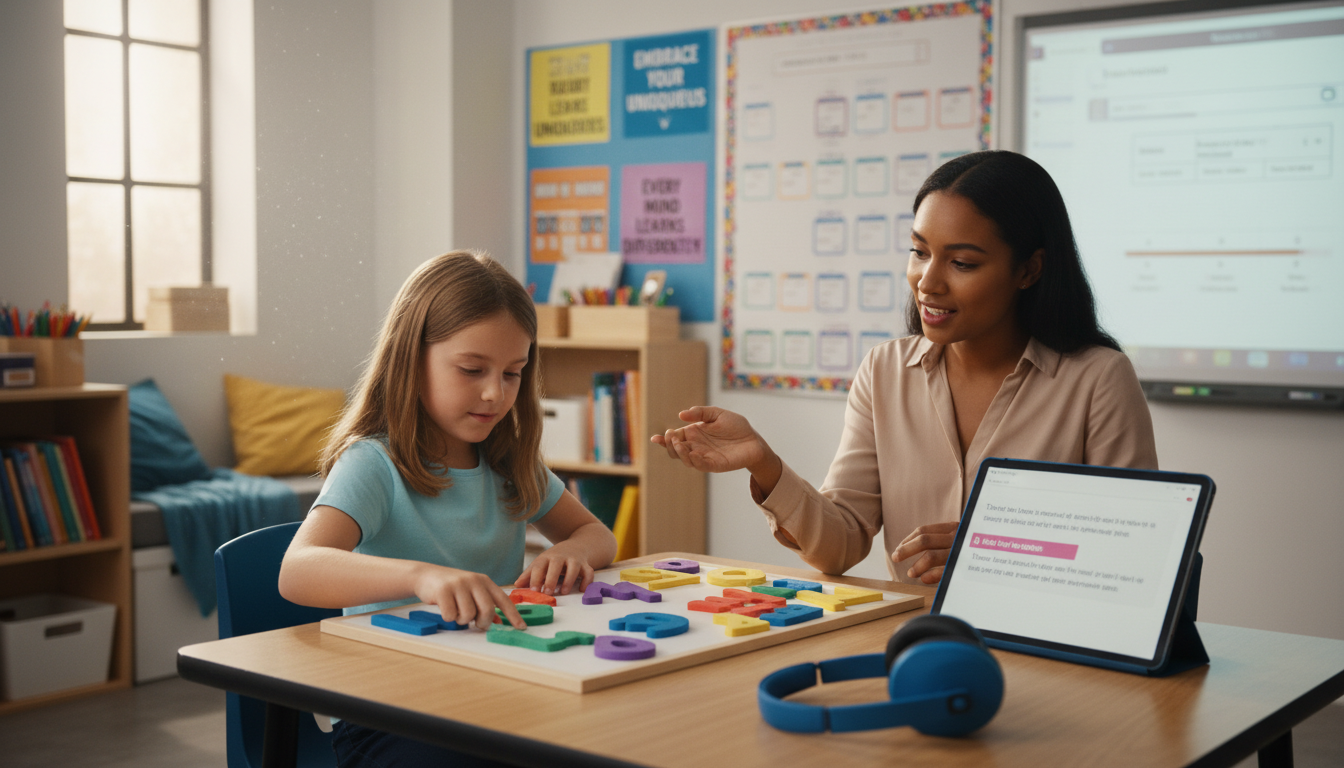
Learning Difficulties: Understanding & Overcoming Challenges touches a deeply personal and complex area of human experience. Many people (parents, teachers, adult learners) find themselves grappling with obstacles—like dyslexia, dyscalculia, or attention-related issues—that turn everyday tasks into uphill battles. Though the road may be rocky, a mix of empathy, targeted strategies, and innovative tools can help individuals not just survive but thrive intellectually and emotionally. This article explores the nature of learning difficulties, real-world examples, expert-informed strategies, and how communities can build a more inclusive educational landscape.
Understanding Learning Difficulties: Scope and Types (≈200 words)
Learning difficulties affect a sizable portion of children and teens—estimates suggest as many as 4 million young individuals face neurological challenges that impact how they process, store, or analyze information . These difficulties are distinct from intellectual disabilities or environmental factors; instead, they reflect differences in how the brain handles speech, reading, writing, or math .
Common types include:
- Dyslexia (challenges with reading and language)
- Dysgraphia (writing and motor coordination difficulties)
- Dyscalculia (math-based struggles)
- Auditory processing disorders (trouble processing spoken words)
- Nonverbal learning disorders (difficulty with spatial and social cues)
In the U.S. public school system, learning disabilities—broadly defined—affect around 6–8% of school-age children, though underreporting may mask the true scale . IDEA (Individuals with Disabilities Education Act) currently supports over 7 million students, approximately 14% of the school-age population, who need specialized services .
Real-World Context: Schools and Support Systems (≈200 words)
Different educational settings offer unique approaches to addressing learning differences. For instance, the Gateway School in New York specializes in serving K–8 students with language-based learning disabilities like dyslexia, ADHD, or executive function disorders, providing tailored environments that foster success . In rural Virginia, Oakland School uses a multisensory approach (e.g., phonics-based instruction akin to Orton–Gillingham) combined with physical activities such as horseback riding to support emotional and academic development .
Meanwhile, Trident Academy in South Carolina is recognized for its expertise in Dyslexia and language-based learning differences, offering teacher training and using the Orton–Gillingham method—a gold standard in structured literacy education .
Assistive technology also plays a major role. Learning Ally, a nonprofit, provides accessible audiobooks, reading tools, and teacher resources that empower struggling readers and educators across 24,000 schools .
Strategies to Overcome Learning Challenges (≈300 words)
Addressing learning difficulties often demands a multifaceted, personalized plan—not one-size-fits-all. Effective strategies combine educational, emotional, and technological support:
Individualized Education Programs (IEPs) and Early Intervention
Customized IEPs help set clear goals and accommodations. Research indicates that students with such plans often show improvements in academics and confidence . Moreover, early help—especially by third grade—can drastically improve long-term reading outcomes .
Multisensory and Evidence-Based Instruction
Programs like Orton–Gillingham, which engage visual, auditory, and tactile senses, can yield a roughly 30% boost in reading comprehension for individuals with dyslexia . These methods are central in schools like Oakland and Trident Academy .
Assistive Technology
Text-to-speech, speech-to-text, audio books, and note-taking software can dramatically reduce barriers and foster independence .
Tutoring and One-on-One Support
Targeted tutoring can improve reading and math by a significant margin—around 25% on average, according to research .
Building Self-Esteem and Social-Emotional Support
Learning challenges can erode confidence. In contrast, social-emotional frameworks—like those proposed by the Child Mind Institute—can uplift motivation and resilience by nearly 40% .
Dual-Language Strategies for Bilingual Learners
In Texas, emergent bilingual students are increasingly identified with dyslexia, and dual-language programs are emerging as an effective way to support literacy development. Learning in both home language and English appears to cultivate better reading outcomes and cognitive flexibility .
“I don’t want to see business as usual anymore…I really want this to be bilingual dyslexia models, and that we have a bilingual dyslexia track in every school…” — Elsa Cárdenas Hagan
Obstacles and Limitations (≈200 words)
Despite successes, many hurdles remain. Funding is often insufficient—special needs programming requires more staff, resources, and training, which many schools struggle to provide . Accessibility issues, such as lack of assistive tech or poorly designed classrooms, add further barriers .
There’s also a chronic shortage of trained specialists—such as academic language therapists or bilingual educators—limiting capacity to diagnose and support diverse learners .
Late identification of learning difficulties compounds struggles; for instance, children without support by third grade are more likely to continue reading challenges into adulthood .
Additionally, emotional and organizational challenges—low self-esteem, poor time management, difficulty socializing—further impact academic progress and well-being .
Emerging Trends and Innovations (≈200 words)
Technology continues to reshape how we approach learning difficulties. Tools like LARF—an AI-driven system that annotates text to make reading accessible without distorting meaning—have shown promise, especially for those with severe dyslexia .
AI-based adaptive learning frameworks that assess attention and engagement through serious games are now being explored, offering real-time insights and interventions for neurodiverse learners .
On the policy and community side, state-level reforms and dual-language initiatives in places like Texas demonstrate a growing recognition that equitable education must account for linguistic diversity .
Concluding Summary
Learning difficulties affect millions, yet with compassion and strategy, meaningful progress is achievable. Schools, families, and educators can draw on a diverse toolkit—IEPs, multisensory instruction, assistive technology, tutoring, emotional support, and bilingual programming—to tailor solutions to each learner’s needs. Success hinges on early identification, sufficient funding, skilled professionals, and adaptive innovation. Embracing these principles moves us closer to educational systems where learning differences are met not with barriers, but with empowerment.
FAQs
What are common signs of learning difficulties?
Students may struggle with reading, writing, math, or processing spoken information. They often display gaps in academic skills despite average or above-average intelligence. Diverse areas like language, motor coordination, or social cues can be affected.
How early should learning difficulties be identified?
Early screening—particularly by third grade—can drastically alter outcomes. Children supported before this threshold are far more likely to develop effective reading and learning strategies.
Can assistive technology really help?
Absolutely. Tools like text-to-speech, audiobooks, and speech-to-text software make academic content more accessible and boost independence. Many students report improvements in comprehension and engagement.
What is multisensory instruction, and why is it effective?
Multisensory instruction uses techniques that engage multiple senses—like hearing, seeing, touching—to reinforce learning. Approaches such as Orton–Gillingham deliver structured literacy in ways that deeply align with neurodiverse learning styles.
Are bilingual programs beneficial for struggling readers?
Yes, especially for emergent bilingual students with dyslexia. Learning in both the home language and English can support stronger literacy, cognitive flexibility, and identity affirmation.
What are the biggest challenges schools face in supporting these students?
Key barriers include inadequate funding, lack of trained specialists, insufficient supports for emotional and organizational skills, and delayed identification of learning issues. Tackling these requires systemic commitment and innovation.
