

 February 10, 2026
  6 Min
6 Min  No Comment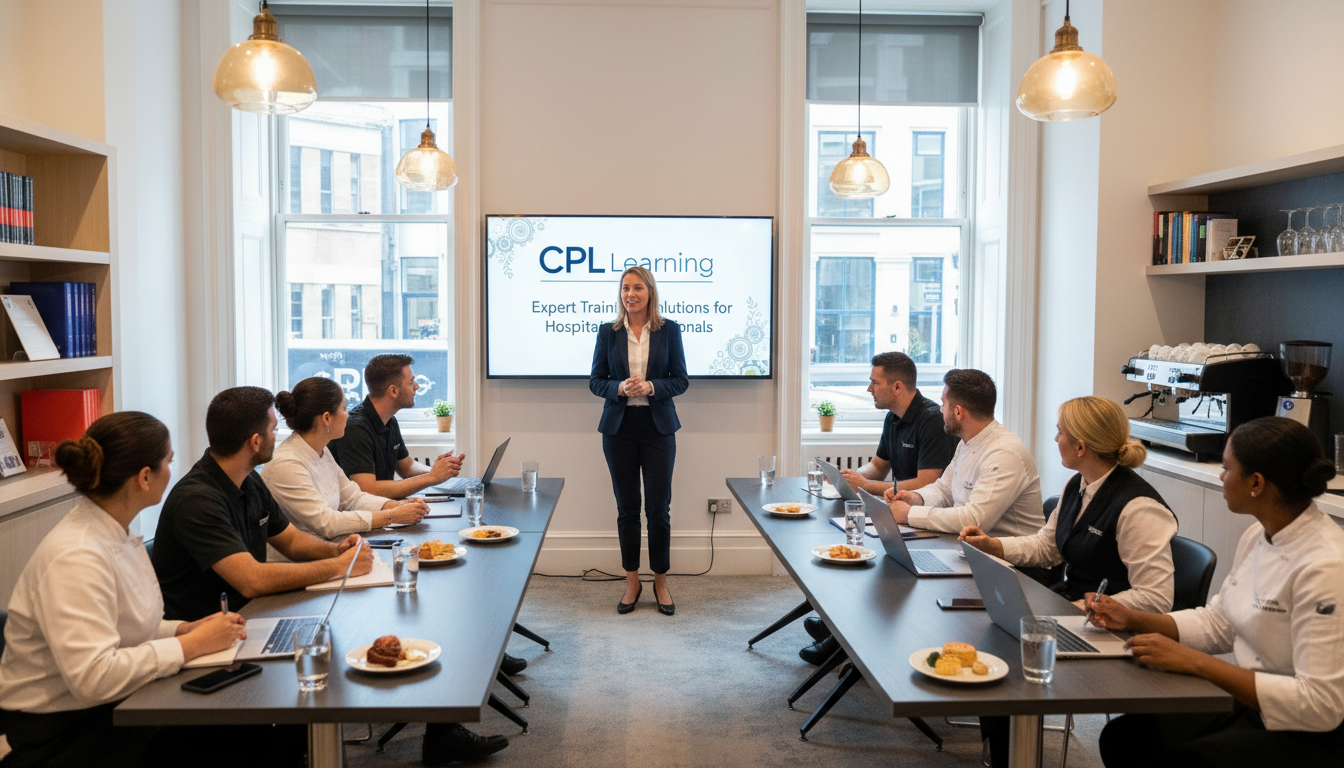
Let’s get real—hospitality is as much art as science, and CPL Learning leans into that truth with impressive finesse. This is not your usual “check-the-box” training; it’s expert-level, tailored for the messy, fast-paced, people-first world of hospitality. From front-desk jitters to back-of-house coordination during peak hours, CPL Learning offers training that speaks the language of hotel and restaurant professionals.
Why Expert Training Matters in Hospitality
Hospitality professionals often juggle multiple roles—managers, guest service agents, cleaners, concierges, food and beverage staff. Many training programs miss that nuance, aiming for a one-size-fits-all model. CPL Learning doesn’t. It acknowledges that a concierge’s need to craft personalized itineraries is quite different from housekeeping workflows or F&B upselling techniques.
Beyond this, training effectiveness hinges on relevance and adaptability. Hotels are evolving: contactless check-ins, guest experience personalization, digital platforms, sustainability. CPL Learning builds in continuous updates—so the content stays current in a world that changes by the minute.
“What sets truly powerful training apart is its capacity to adapt in real time—and that’s what hospitality professionals need to stay modern, agile, and guest-focused.”
That’s not just buzz—it’s drawing on insights from learning science about spaced repetition, scenario-based learning, and microlearning that sticks. The result? Learners gain knowledge, recall it, and apply it confidently in high-stress, fast-moving environments.
Core Elements of CPL Learning’s Approach
1. Modular, Scenario-Driven Microlearning
CPL Learning breaks down complex operations into bite-sized, realistic scenarios. This mirrors how people actually recall and apply knowledge under pressure—fragmented, in-the-moment, contextual.
- Imagine a 5-minute interactive module titled “Handling guest dietary requests during breakfast rush.” It’s realistic, focused, and high-impact.
- Such microlearning helps retention and allows staff to refresh skills on the job, not just during onboarding.
2. Multi-Channel Delivery for Busy Schedules
No one in hospitality wants to sit through an hour-long video during a shift change. So instead, CPL Learning goes omnichannel:
- Quick mobile prompts
- On–tablet interactive quizzes
- In-person facilitated check-ins
These little nudges reinforce lessons while fitting into unpredictable shift schedules.
3. Personalization and Role-Specific Tracks
Not all hospitality roles are created equal. Training is optimized by tailoring paths: front-of-house, back-of-house, leadership, guest relations, technology tools. This approach keeps engagement high—staff see immediately how the content applies to their role.
4. Data-Informed Feedback Loops
Feedback matters. CPL Learning incorporates analytics dashboards showing completion rates, quiz scores, and response time. Managers get to see who’s lagging, who’s excelling, and what content might need refreshing. These metrics inform continuous improvement in training design—no guesswork, just actionable insight.
Bringing Things to Life: Industry Examples
Take a boutique hotel chain—call it “Coastal Haven”—piloting CPL Learning. They start with a micro module on “upselling premium room upgrades.” Staff train via quick tasks on tablets during downtime. Within weeks, Coastal Haven reports a noticeable uptick in upgrades—most guest-facing staff cite the scenario-based practice as a key confidence booster.
Over in a fine-dining chain, teaching staff how to handle allergen-related inquiries is critical. A 3-minute module combines visual prompts (“Is there cross-contamination with nuts?”) and branching scenarios. The front-of-house team were noticeably calmer and more accurate when handling these delicate questions—a small but meaningful safety improvement.
These anecdotes underscore a reality: practical, well-delivered training sticks. It doesn’t just get done—it makes a difference in day-to-day operations and guest satisfaction.
Strategic Benefits and Industry Impact
Improved Guest Experience Through Contextual Learning
When staff feel prepared—because they are prepared—that confidence shows. Personalized greetings, smooth check-ins, thoughtful suggestions: those guest interactions often hinge on how well staff can think on their feet. CPL Learning equips them to do exactly that.
Operational Efficiency and Reduced Errors
By reinforcing procedures through microlearning, mistakes like wrong room setups, billing errors, or miscommunication get trimmed. Over time, this leads to better resource use and lower rework—tangible savings for budgets that are always pressed.
Employee Engagement and Retention
It’s basic: training that feels relevant and respectul improves morale. Staff appreciate when learning fits into their schedules and helps with real challenges. Ultimately, that drives loyalty—a priceless asset in an industry known for turnover.
Agile Adaptation to Industry Disruptions
Hospitality moves fast—digitization, guest expectations, sustainability. Training needs to keep up. CPL Learning’s modular delivery allows fast content updates, keeping teams aligned with emerging trends and technology.
Learning Strategy in Practice: Framework Highlights
Here’s a snapshot framework showing how an organization might weave CPL Learning into its operations:
- Assess Training Needs by Role
- Front desk, F&B, housekeeping, leadership.
- Develop Core Microlearning Modules
- Scenario-based, short, focused on critical tasks.
- Deliver via Mixed Channels
- Mobile prompts, in-person, self-serve tablets.
- Gather Real-Time Feedback
- Dashboards on performance and engagement.
- Iterate Content
- Refresh modules, introduce new trends (e.g. sustainability practices).
- Measure Business Outcomes
- Track guest satisfaction, operational errors, upsell revenue, retention.
This blend of strategy and agility is what gives CPL Learning its edge. It’s not just about knowledge—it’s about embedding behavior change that lifts service, efficiency, and staff satisfaction.
Related Trends and Ecosystem Connections
- Digital Upskilling in Hospitality: With contactless tech and guest apps, digital fluency is non-negotiable. Training must evolve beyond basic hospitality into tech-savviness.
- Sustainability Training: Green protocols—like water conservation or zero-waste operations—are growing priorities. Microlearning makes it easier to roll out eco-modules across teams.
- Emotional Intelligence Modules: Soft skills matter. Training for empathy, de-escalation, and diverse guest needs strengthens guest relationships.
These trends intersect with CPL Learning’s capabilities, offering a flexible foundation for future-focused hospitality training.
Conclusion: Why CPL Learning Stands Out
CPL Learning delivers more than training—it delivers readiness. By rooting its design in microlearning, role-awareness, adaptability, and data feedback, it bridges the gap beneath strategy and frontline execution. Hospitality professionals learn what matters, when it matters, and in ways that really stick. The end result: more confident staff, smoother operations, better guest experiences, and long-term gains in both efficiency and satisfaction.
FAQs
What makes CPL Learning different from traditional hospitality training?
CPL Learning uses bite-sized, scenario-driven modules tailored by role, instead of generic, broad content—making training more relevant and applicable on the job.
How does microlearning improve retention and performance?
Short, engaging sessions fit into daily routines and focus on real-life scenarios, which boosts recall and helps staff apply knowledge quickly during high-pressure moments.
Can CPL Learning adapt to new hospitality trends?
Absolutely—its modular structure allows fast updates, so you can easily introduce content on digital tools, sustainability, empathy skills, or guest personalization.
Will this approach help reduce operational mistakes?
Yes. By delivering targeted refreshers and realistic scenarios, staff are better prepared for practical tasks, which helps reduce errors and improve overall efficiency.
Does CPL Learning support different staff roles effectively?
Indeed. Content is tailored across front-of-house, back-of-house, leadership, and specialized functions, ensuring that each role receives training that’s directly relevant to its responsibilities.
How does this training impact employee morale?
Staff find microlearning more respectful of their time and more immediately useful, boosting confidence and engagement—and ultimately, retention.
