

 February 9, 2026
  6 Min
6 Min  No Comment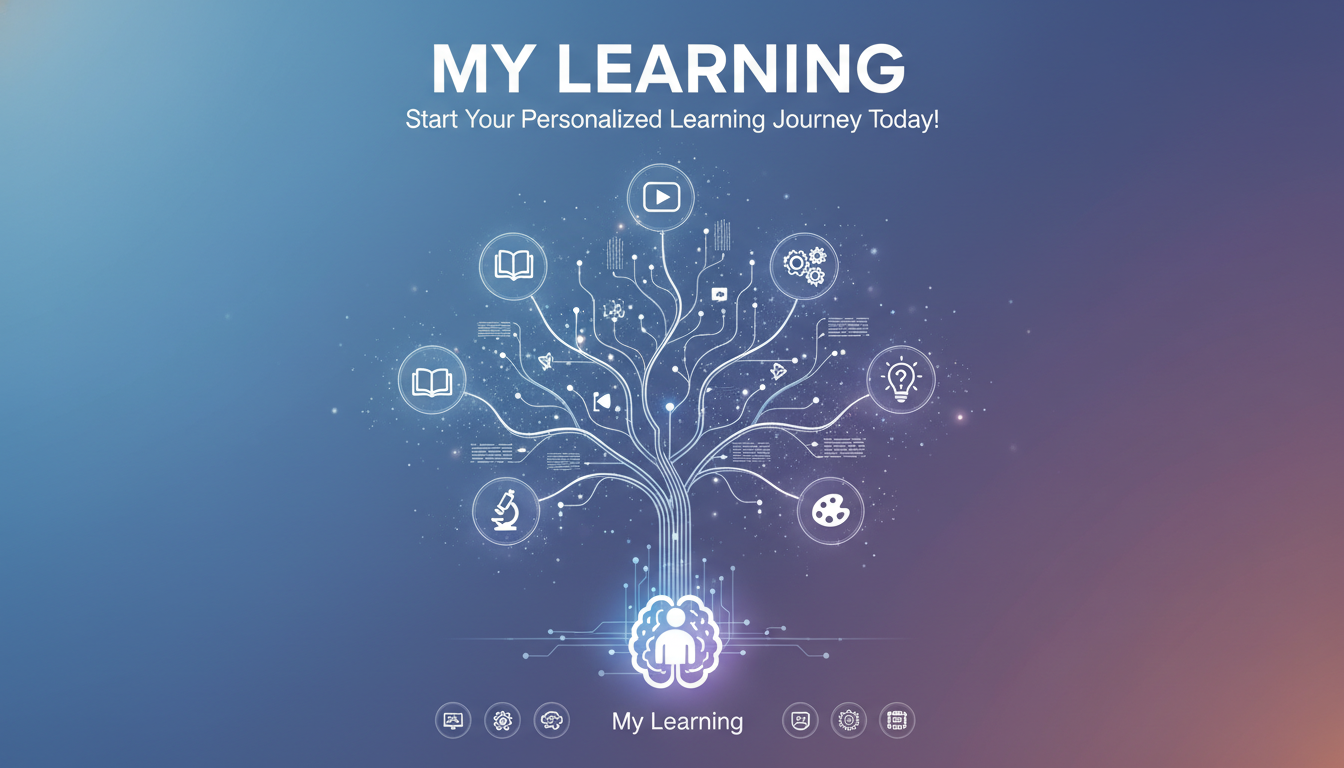
Everyone’s learning journey is, well… uniquely theirs. That’s not just some branding fluff—it’s a fundamental shift in how we grow our knowledge and skills. “My Learning: Your Personalized Learning Journey Starts Here!” is more than a catchy phrase; it reflects an emerging expectation among learners: we want education tailored to us, not shoved down our throats in a one-size-fits-all cram session. Recognition of that—your rhythms, needs, budding interests—it’s at the core of modern learning.
In today’s fast-moving world, personalization has become more than a trend—it’s a standard. Technologies powered by AI and adaptive systems are transforming how courses are structured, recommendations are made, and progress is tracked. We’re past the era of static modules; a growing number of platforms adapt to each learner’s pace, weak spots, and preferred styles. Let’s walk through why this matters, how it’s being done, and what you should expect (or ask for) from learning platforms that genuinely make it “yours.”
Why Personalized Learning Resonates with Real Learners
Learning That Learns You
Most learners tune out when content is irrelevant—or too easy, or too hard. A user on a learning forum put it succinctly: platforms that track actual progress (not assumptions) and meet you where you are motivate you to carry on. Personalization means recommending materials aligned with your interests, giving timely encouragement, and setting bite-sized milestones that build confidence .
Beyond that—when learning is tailored to individual needs, folks just enjoy it more. In fact, tailored instruction is one of the primary reasons learners stick with a program longer .
Backed by Data, Guided by Intent
LinkedIn’s 2024 research confirms that personalization is the third most common reason people dedicate more time to learning . And LearnUpon states that learners experience higher satisfaction when training aligns with their individual goals. Reality check: personalization isn’t just educational—it’s emotional, practical, and results-driven.
How Platforms Are Making Your Learning Journey Truly Yours
Automated Pathways That Feel Human
LearnUpon’s Learning Journeys feature helps organizations craft tailored learning workflows using logic like “if X, then Y”—all automated—so learners receive the right courses at the right time . The result? Efficient, scalable, and still personal.
Adaptive Delivery for Every Pace and Style
Platforms like Calibr employ AI to adapt content based on how quickly and accurately learners progress. Content delivery shifts to match comprehension levels—fast when you’re breezing through, slower when concepts need reinforcing .
AI Coaches You Didn’t Know You Needed
Ever feel like a tutor could just… get you? MyGrades AI is trying to be that ally. It builds tailored study plans, highlights your strengths and weaknesses, and feeds you just enough so you stay challenged—but not overwhelmed . It’s a virtual coach, but—hopefully—less judgmental.
Reflective Tools That Shape Learning From Within
Sometimes, personalization isn’t flashy tech—it’s self-awareness. Platforms like My Learning Mindset take a journaling approach, anchoring education in reflection. Users track goals, monitor progress, reflect on learning objectives, and grow through that intentional habit .
A Closer Look: Frameworks Guiding Personalized Experiences
Understanding the “how” beneath the hood can be refreshing rather than overwhelming.
Structured Frameworks for Learner-Centric Paths
Tools like the Learning Journey Personalization Framework (by Meegle) offer a structured blueprint to guide course designers and educators in tailoring education to every student’s unique blend of what they know, need, and where they want to go . It’s the scaffolding behind thoughtful personalization.
Adaptive Engines that Evolve in Real Time
Research-backed models like DK‑PRACTICE use real-time assessments to adjust learning paths dynamically. After a quick adaptive quiz, learners get recommendations tailored to their knowledge state—and visual progress reports help them see where they’ve grown—and where they might need to circle back .
Real-World Examples You’ve Probably Experienced (or Could)
- A corporate training platform that adjusts modules based on your job role, performance, or completed prerequisites—perhaps powered by something like LearnUpon.
- A language app that picks up on patterns where you struggle with grammar and automatically adjusts lesson types or intervals accordingly.
- An education platform that asks you reflective questions after each lesson: “What was your biggest takeaway?” or “How will you apply this next?”—that’s My Learning Mindset style.
Each example helps tailor the experience without making it feel robotic. The humanness is the difference.
Expert Perspective
“Delivering the right learning to the right people at the right time—this has always been the goal. Now, technology makes it possible at scale.” —Brendan Noud, CEO & Co‑founder, LearnUpon
This sums it up: personalization has been the aspirational north star, but now it’s doable. At scale. That’s a pivotal shift.
Weaving Personalization into Your Learning Plans
If you’re designing a course or evaluating platforms, here are some human-centered action points:
- Prioritize platforms with adaptive content delivery, so your pathway evolves with you.
- Seek out reflection-based tools to make learning personally meaningful.
- Look for automation that supports—not replaces—personal attention, like logical pathways or timely nudges.
- Value transparency: platforms that show you why content is recommended build trust and engagement.
Conclusion: Your Learning, Your Way
Personalized learning isn’t a gimmick—it’s a learner-first revolution. Whether it’s AI matching content to your pace, reflective prompts helping you grow, or systems that adapt in real time to your progress, personalization empowers you. And that matters, because when learning is aligned with you, satisfaction, retention, and real growth aren’t far behind.
FAQs
What does “personalized learning” actually mean?
It means tailoring learning experiences to individual needs—what you know, how fast you learn, your goals, and how you engage—so content stays relevant and effective.
How does AI improve learning paths?
AI systems monitor your performance, detect strengths or gaps, and adjust content or suggest next steps in real time, keeping you in that optimal learning zone.
Can reflective journaling help in online courses?
Yes—tools that prompt journaling foster deeper thought about progress, goals, and takeaways, making learning more meaningful and personalized.
Is automation a bad thing in personalized learning?
Not at all—when used well, automation reduces repetitive tasks and personalization scale, letting meaningful, human-centric support shine.
Do all personalized platforms use AI?
Not necessarily. Some rely on structured frameworks, manual tagging, or human-in-the-loop design. AI adds power, but personal intent and design matter most.
How do I know if a learning platform is truly personalized?
Look for features like adaptive content, real-time adjustments, reflective tools, clear reasoning behind recommendations, and flexibility—those usually indicate authentic personalization.
