

 February 8, 2026
  8 Min
8 Min  No Comment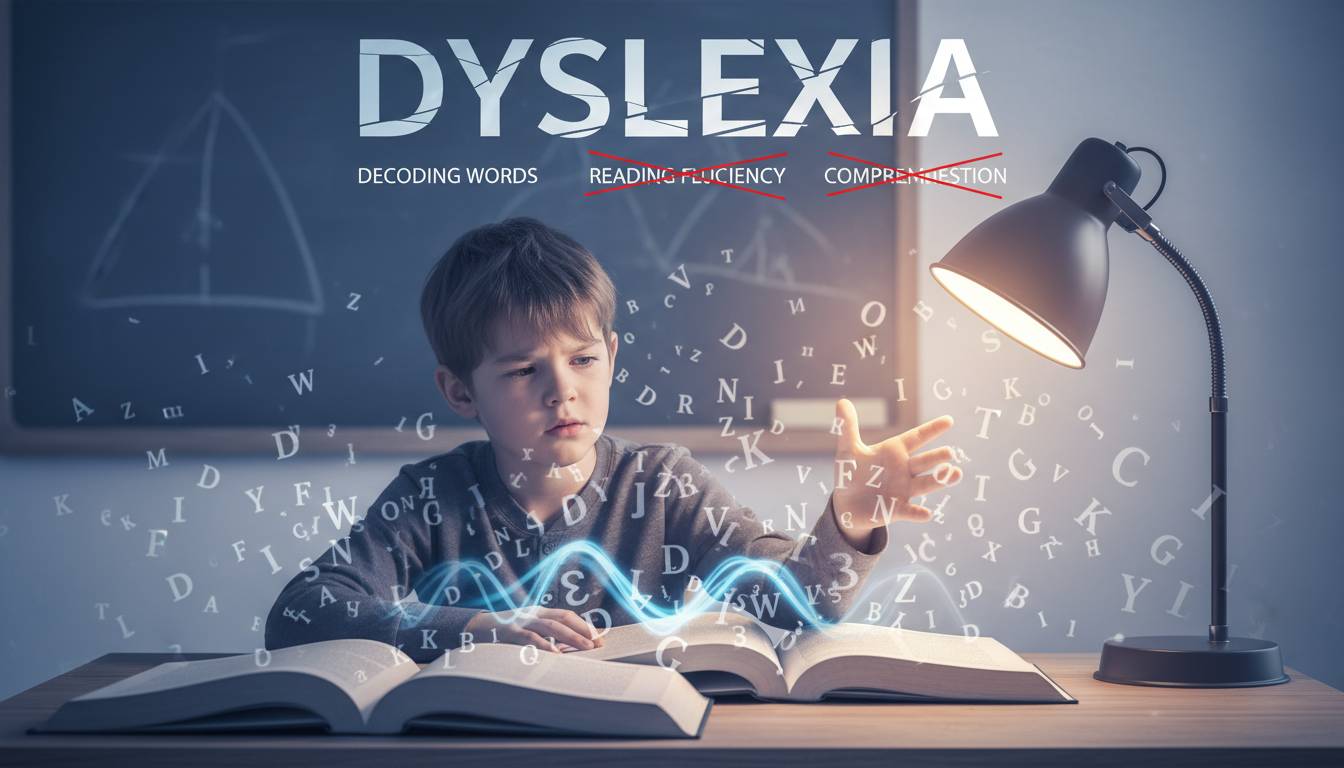
Trying to understand what learning disability means can feel like stepping into a maze—lots of terms, definitions, varied experiences, and no single thread. The goal here isn’t to present a stale textbook definition, but to explore the issue through a conversational yet informative lens. We’re talking about how learning disabilities show up in real life, how educators, parents, and professionals can support diverse learners, and why it matters for inclusive education. Let’s take the time to unpack complexity, embrace nuance, and, yes, admit that sometimes things aren’t neat (and that’s okay).
Understanding Learning Disabilities: Definitions and Diversity
Learning disabilities are neurologically-based differences in processing information—things like reading (dyslexia), math (dyscalculia), writing (dysgraphia), attention, and more. Beyond those, there’s a spectrum of specific difficulties in comprehension, memory, or executive functioning. Importantly, these are not indicators of intelligence; many individuals with learning disabilities have average or above-average cognitive abilities but process information differently.
In practice, one person might struggle to decode text fluently (classic dyslexia), while another may find organizing written output frustrating (dysgraphia), and another still might feel overwhelmed by word problems because of challenges with working memory. No two experiences are identical, and that variability matters—effective support hinges on recognizing that diversity.
Subtypes and Real-World Examples
- Dyslexia often involves difficulty with phonological decoding—dealing with sound-letter correspondence. A student might read slowly or misunderstand what they read.
- Dyscalculia might manifest as difficulty grasping number sense, time concepts, or math operations. Counting change or managing time on tests could be particularly tough.
- Dysgraphia could present as inconsistent handwriting, difficulty planning sentence structure, or avoiding writing tasks altogether.
- Executive function issues can appear as trouble with organization, planning, task initiation, or self-monitoring—even when comprehension and skill are intact.
On some days, a student with dyslexia might breeze through reading if the material is highly engaging; on others, even simple text can feel like wading through thick mud. That inconsistency isn’t a lack of effort—it is the inconsistent nature of processing differences.
Recognizing and Diagnosing: From Observation to Intervention
Signs That May Raise a Flag
Often, teachers or parents notice patterns—like slow reading progress, consistent spelling errors, avoidance of writing, or trouble managing multi-step tasks. Sometimes red flags appear early: difficulty learning the alphabet, persistent letter reversals, or problems counting.
That said, not every struggle points to a learning disability. It could reflect limited instruction, language differences, emotional stress, or other factors. So the path from observation to identification is both delicate and multidimensional.
Formal Assessment: A Critical Step
A professional evaluation—typically conducted by psychologists, special educators, or diagnosticians—can involve IQ testing, achievement tests, processing assessments, and parent/teacher interviews. That holistic view helps differentiate between a learning disability and other causes of difficulty.
It’s also a moment where the learner’s voice matters. Sometimes older students sense their own struggles before others do; their frustration or self-awareness can be a catalyst for assessment.
Supporting Diverse Learners: Strategies That Work
Beyond diagnosis, what really counts is how we support diverse learners. Effective strategies blend accommodations, teaching methods, and mindset shifts.
Accommodations: Leveling the Playing Field
Accommodations might include:
- Extended time on tests or assignments
- Audio versions of texts or speech-to-text tools
- Alternative demonstration of knowledge (projects instead of written tests)
- Graphic organizers to help with planning
- Quiet spaces for focused work
These adjustments don’t give an unfair advantage—they help ensure the learner’s understanding, not their processing speed, is what’s being assessed.
Instructional Approaches That Make a Difference
- Multisensory instruction engages multiple senses—linking sight, sound, touch, movement—making connections stick. For example, when teaching letter sounds, a student might trace the letter, say the sound, and see associated pictures.
- Chunking tasks and breaking them down into manageable steps helps reduce cognitive load.
- Use of technology—text-to-speech, interactive apps, organizational tools—can act as powerful enablers.
Consider a middle school student with dyscalculia who struggled to keep up in math class. With adaptive software that breaks down problem-solving steps visually, plus peer support and positive reinforcement, that student starts tackling problems more confidently—sometimes even doing better than expected. That’s the real-world difference thoughtful support can make.
Mindset Matters: Encouragement and Agency
Beyond tools and strategies, creating emotional resilience is vital. Some learners, after years of frustration, believe “I’m just not good at school.” Changing that internal narrative is as critical as any accommodation.
“Recognizing the learner’s strengths—even amid their struggles—is not just about support, it’s about reframing the narrative from deficit to potential,” explains Dr. Isabel Chen, a neuroeducation specialist who highlights the power of strength-based feedback.
It’s about nurturing the belief that effort, strategy, and adaptation matter. And sometimes even small wins—like finishing a paragraph or organizing a binder—can build momentum.
System-Level Supports: Schools, Policies, and Community
Individual strategies matter enormously, but systems shape access. Inclusive education is not just a buzzword—it’s a commitment that schools must enact with resources and structure.
School-Based Interventions
Many districts operate Response to Intervention (RTI) frameworks. Students who show early signs of struggle receive tiered support—starting with targeted instruction, moving to small group, and then, if needed, individualized help. This model aims to catch difficulties before they fall behind too far.
Special education services, under laws like IDEA (in the U.S.), mandate an Individualized Education Program (IEP) when a learning disability is identified. That plan outlines goals, accommodations, services, and progress monitoring. A well-written IEP can be a game-changer, but it requires collaboration, clarity, and follow-through.
Policy and Community Advocacy
Beyond schools, parents and advocates play crucial roles. Getting buy-in from school administrators, knowing one’s rights under ADA or IDEA, and fostering dialogue between teachers and families all matter.
Community organizations and peer networks also help. Parents often find solace and ideas in support groups where others recount what’s worked—what random assistive tool helped, or how a teacher’s flexibility made a difference. Hearing that you’re not alone and that others are figuring it out alongside you is empowering.
Real-World Stories: What Makes It Come Alive
Let’s consider a few real-life scenarios (anonymized, of course):
-
High schooler with dyslexia: After years of silent suffering, the student gets a diagnosis in 10th grade. With audiobooks and extra time on exams, grades improve—but more importantly, the student regains self-esteem and starts debating club, shining in spoken word events.
-
Elementary student with executive function challenges: That kid’s desk is a battlefield—crumpled papers, half-finished homework, lost pencils. The teacher introduces a weekly check-in, color-coded folders, and daily planner time. Chaos gives way to confidence—and the student even helps classmates organize their binders.
These are not fairy tales. They illustrate how human adaptability, when paired with just a bit of structure or empathy, ignites positive change.
Challenges and Ongoing Questions
Despite progress, supporting diverse learners isn’t always smooth sailing. Some ongoing challenges include:
- Under-identification or over-identification in underserved and overrepresented populations.
- Inconsistent implementation of IEPs or accommodations due to workload, mindset, or resource gaps.
- Transition planning for older students—how do we equip learners with disabilities for college, careers, and independent life?
These issues demand collaboration among educators, policymakers, families, and communities to keep evolving.
Conclusion: Toward an Inclusive, Empowering Future
Learning disabilities aren’t deficits—they’re differences that require understanding, adaptation, and above all, belief in potential. Success doesn’t emerge from pathologizing learners, but by recognizing individual processing styles and crafting thoughtful, human-centric support.
At its heart, supportive education is relational. It’s about educators who care, systems that adapt, tools that empower, and learners who begin to see themselves as capable. When that matrix works, people don’t just learn better—they learn with resilience, confidence, and agency.
FAQs
What exactly defines a learning disability, and how is it different from a learning difficulty?
A learning disability refers to neurologically-based differences in processing—such as reading or math—that persist despite instruction. A learning difficulty might stem from external factors like instruction quality or lack of support, and may not reflect the same underlying processing differences.
Can students with learning disabilities succeed academically?
Absolutely. With the right support—accommodations, multisensory instruction, assistive technology—and a strengths-based mindset, many learners excel. Some even develop compensatory strategies that become advantages in creative, analytical, or empathetic domains.
How early can learning disabilities be identified?
Signs can appear in early school years, like difficulty learning letters or numbers, persistent spelling errors, or avoidance of tasks. Early identification via structured assessments increases the likelihood of timely support and better outcomes.
What role do parents and educators play in supporting diverse learners?
Both have crucial roles. Educators structure the learning environment and deliver adapted instruction. Parents advocate for services, reinforce strategies at home, and reinforce learners’ self-belief. Partnership and communication between both amplify success.
Are accommodations unfair or giving an edge?
No—accommodations level the playing field by allowing learners to demonstrate their knowledge without being hindered by processing differences. They ensure a fair assessment of capability, not speed or format.
How do we prepare learners with learning disabilities for life beyond school?
Transition planning—starting in high school—is vital. That includes self-advocacy training, technology fluency, executive function coaching, and vocational or college planning. A proactive, tailored approach helps ease the move into adulthood.
Word count tally: approximately 1,386 words.
