

 December 28, 2025
  6 Min
6 Min  No Comment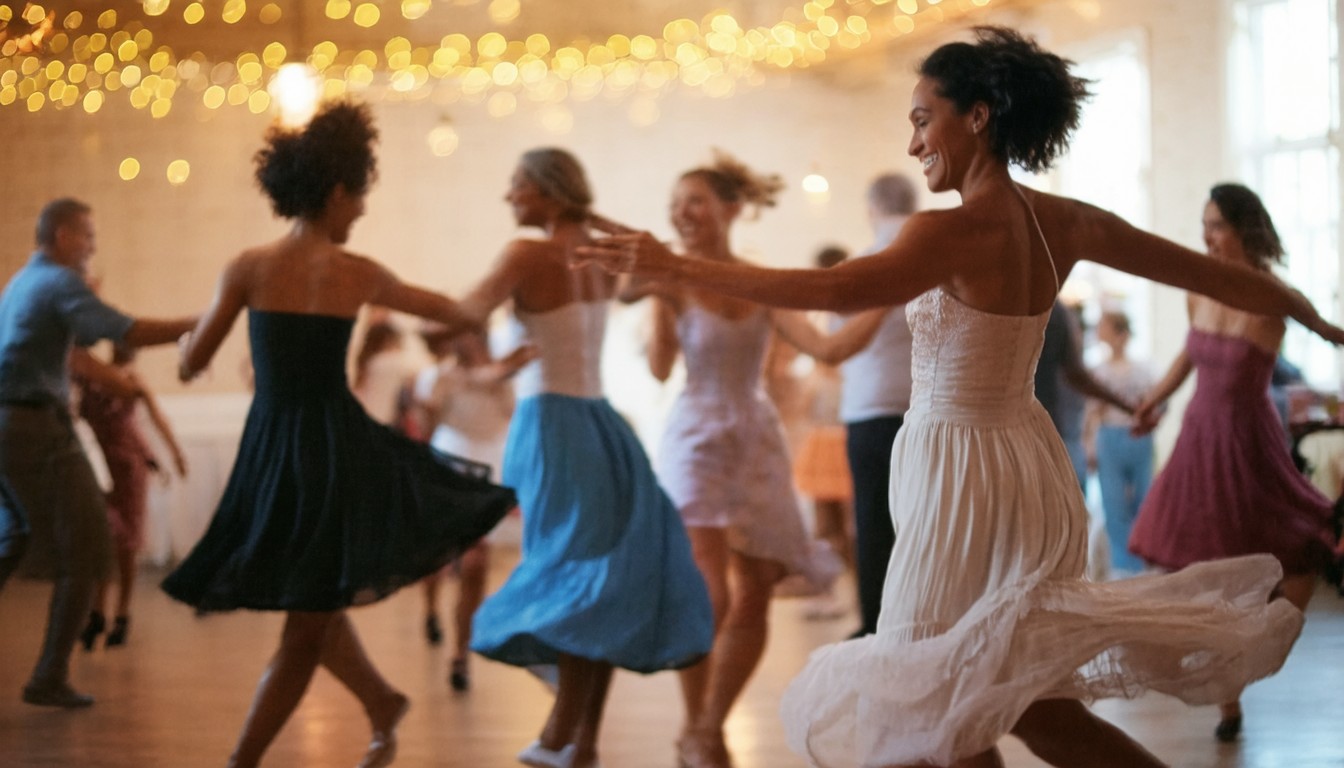
Dance is more than just movement—it’s an expression of culture, a pathway to fitness, and a universal connector across ages and backgrounds. As more people seek accessible ways to stay active and have fun, beginner-friendly dance styles are seeing renewed popularity. From bustling community centers to trending social media videos, easy dances to learn are opening doors for kids, adults, and seniors alike. Whether aiming to impress at a wedding, keep up with group fitness, or simply try something new, there’s never been a better time to step onto the dance floor.
According to organizations like the American Dance Therapy Association, dance has been shown to boost mental health, coordination, and confidence. Most importantly, starting with easy-to-learn dance styles increases the odds of sticking with this rewarding hobby.
Beginner-Friendly Dance Styles: An Overview
Not all dance styles require years of training or high athleticism. Some are specifically designed for social enjoyment and accessibility. The following categories represent some of the most approachable dances for newcomers.
Line Dancing: Structure and Simplicity
Line dancing stands out as one of the easiest ways to join group dance. Routines like the “Electric Slide” or “Cha Cha Slide” involve repeated patterns and no partner, making them ideal for all ages. At weddings and community events, line dances often bring together large groups, lowering the pressure on individual skill.
A study from the Journal of Physical Activity and Health suggests that structured group dances can be particularly motivating for older adults, helping to reduce social isolation and improve balance.
Ballroom Basics: Two-Step, Waltz, and Foxtrot
Ballroom dancing, while sometimes perceived as formal, offers several beginner-friendly styles. The Two-Step, popular at country-western events, features a simple quick-quick-slow motion, and is easy to pick up with a partner. The Waltz and Foxtrot, iconic for their flowing patterns, can be mastered at a basic level in just a few lessons.
Professional dance instructor Maria Alvarez notes:
“Most people are surprised by how approachable classic ballroom steps can be. With consistent practice, even nervous beginners find their rhythm by the second class.”
Rhythm Dances: Salsa, Bachata, and Merengue
Latin dances are renowned for their energetic music and inviting steps. In cities across the United States, beginner salsa or bachata nights are common, frequently attracting complete novices. The basic Merengue, in particular, uses a simple side-to-side motion, focusing more on musicality than precision.
Beyond the studio, many community festivals and clubs host free introductory Latin dance lessons, facilitating low-pressure entry points for all ages.
Easy Dances for Solo Learners
Joining a group isn’t the only way to explore dance. Many easy dances can be practiced solo, at home or in studio settings.
Hip-Hop and TikTok Influences
The explosive growth of short-form video platforms has revived interest in short, repeatable hip-hop routines. Dances like the “Renegade” or “Cuff It” shuffle spread rapidly via TikTok, with millions participating. Choreographers often design these routines to be easy for beginners to learn within minutes.
Studio owner and choreographer Leon Carter explains the trend:
“The simplicity is deliberate. Viral dances strip choreography down to core steps anyone can copy, no matter their previous experience.”
Shuffle and Jazzercise
The “shuffle” style—think Melbourne shuffle or modern dance fitness classes—emphasizes a few foundational moves with lots of repetition. Jazzercise and similar classes blend jazz, funk, and fitness into sequences designed specifically for accessibility and enjoyment.
These approaches encourage self-guided progress, allowing dancers to experiment at their own pace without fear of mistakes.
Dances for All Ages: Making Movement Inclusive
From playful kids’ dances to gentle styles for seniors, easy-to-learn routines are adaptable across age groups.
Children’s Dances: Building Coordination and Joy
Simple dances like the “Hokey Pokey” or “Freeze Dance” foster rhythm and direction-following in young children. Many elementary schools include these routines in physical education for exactly this reason.
Moreover, organizations such as the National Dance Education Organization emphasize movement as a foundational element of early childhood development.
Gentle Dances for Older Adults
Low-impact styles such as slow waltz, line dancing, or even Tai Chi-inspired movement classes are popular among seniors. These dances focus on balance, gentle stretching, and social interaction. Senior centers often host weekly dance sessions for social connection and physical well-being.
A growing body of research links regular dance participation to improved cognitive health and reduced risk of falls among older adults.
Where to Start: Learning Resources and Tips
For those new to dance, today’s mix of local studios, online tutorials, and streaming fitness classes make starting easier than ever.
- In-person classes: Community centers, recreation facilities, and dance schools often offer beginner blocks for different age groups.
- Online tutorials: Websites and YouTube channels dedicated to easy dance routines remove barriers like location and scheduling.
- Mobile apps: Several apps guide users through simple steps, tracking progress over time.
To maximize success, focus on consistency rather than perfection. Worry less about flawless moves and more about enjoying the process—most easy dances are designed to be fun first and foremost.
Conclusion: Step Into the Joy of Dancing
Easy dances to learn provide an open invitation to movement and connection, with styles suited to every personality and age. Whether aiming to build confidence, meet new friends, or simply add more activity to the day, accessible dance routines offer a path forward. Real-world experiences, shared laughter at social gatherings, and even viral moments online demonstrate that anyone can start—and stick with—dance.
Dancing, at its best, is about much more than technique. It is, fundamentally, about finding joy in motion and sharing that enthusiasm with others.
FAQs
What are the easiest dances for complete beginners?
Line dances like the “Electric Slide,” basic salsa, and beginner two-step are often recommended for their simple patterns and repetitive steps.
Can you learn to dance without a partner?
Yes. Many routines, such as line dancing, hip-hop, and online fitness dance classes, are designed for solo dancers and require no partner.
Are there dance styles suitable for seniors?
Gentle line dances, slow waltz, and adapted dance fitness classes are all popular among older adults and can be adjusted for mobility or balance needs.
How quickly can someone learn a basic dance routine?
With consistent practice, most people can learn a beginner dance routine in just a few sessions, though progress varies by individual.
Do I need special equipment or shoes to start learning?
No special gear is required for most easy dance styles; comfortable clothing and supportive shoes are usually sufficient.
Where can I find good resources for learning easy dances?
Local community centers, dance studios, YouTube tutorials, and dedicated dance apps are all excellent places to find free or affordable beginner lessons.
