

 December 25, 2025
  6 Min
6 Min  No Comment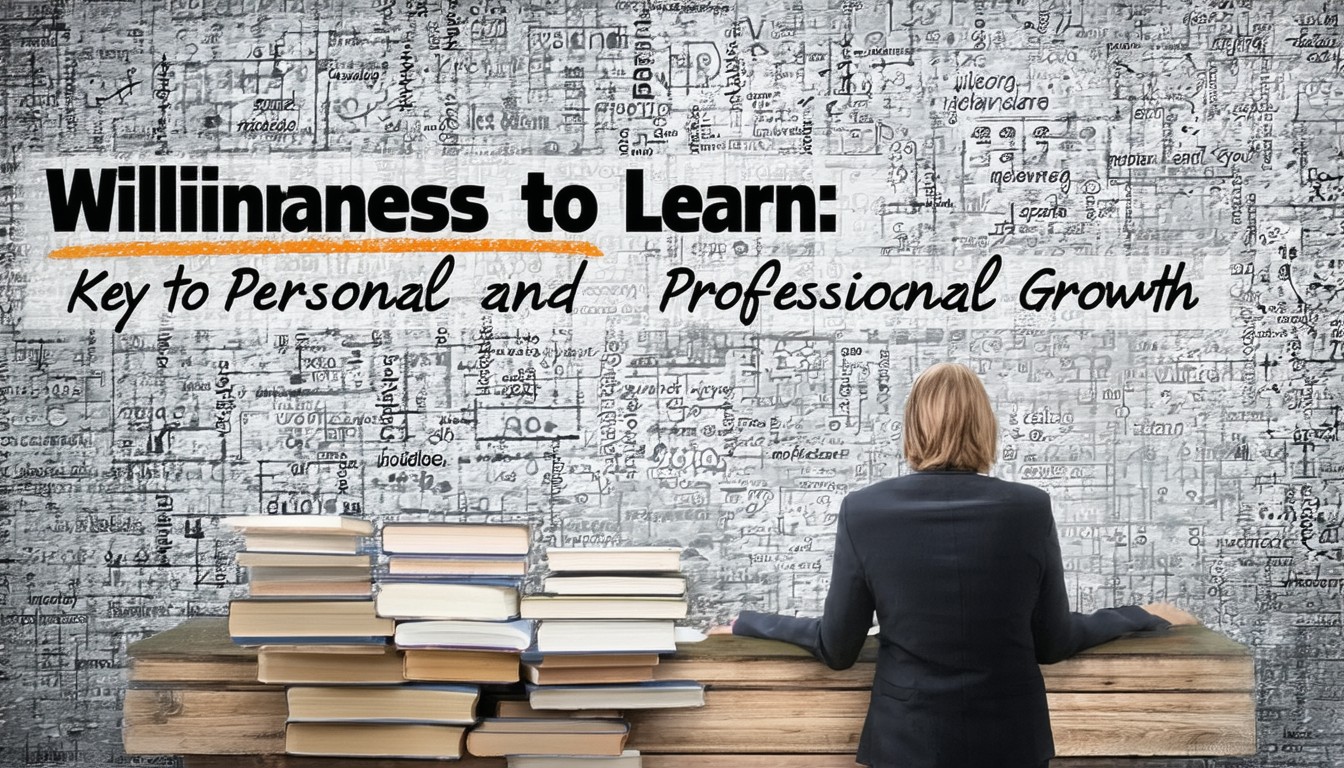
Modern workplaces are in constant flux, shaped by new technologies, shifting consumer expectations, and evolving business models. Amid these changes, one trait stands out as a catalyst for enduring success: willingness to learn. This mindset—marked by curiosity, openness, and adaptability—distinguishes individuals who thrive both professionally and personally. With business leaders and career experts routinely citing learning agility as essential for growth, understanding the power of willingness to learn has never been more urgent.
Beyond workplace demands, a willingness to learn fuels personal development, increases resilience, and sustains motivation during setbacks. As Harvard Business Review noted, companies are increasingly prioritizing learning potential over static skillsets. This article explores why willingness to learn is a critical differentiator, how it drives advancement, and practical ways individuals and organizations can nurture this invaluable trait.
What Does Willingness to Learn Really Mean?
At its core, willingness to learn is more than a passive openness to new information. It’s an active pursuit of knowledge, a hunger for self-improvement, and a readiness to step beyond comfort zones. While formal education can spark one’s learning journey, the sustained willingness to acquire fresh skills and perspectives often separates the good from the great.
The Growth Mindset Connection
Psychologist Carol Dweck popularized the concept of a “growth mindset”—the belief that abilities can be developed through effort, good strategies, and input from others. People with a growth mindset are typically more willing to learn, viewing challenges as opportunities rather than threats. In practical terms, growth-minded individuals seek out feedback, bounce back from failure, and remain flexible when faced with uncertainty.
Real-World Scenarios
Consider the rapid digital transformation in sectors such as retail and healthcare. Workers who embrace new digital tools, even when initially unfamiliar, quickly become pivotal to their teams. On the other hand, those who resist change risk becoming obsolete, regardless of their years of experience.
The Value of Willingness to Learn in the Workplace
Employers consistently rank adaptability and eagerness to learn among the most sought-after soft skills. In LinkedIn’s Global Talent Trends, learning agility was highlighted as crucial for navigating shifting role requirements and industry trends.
Talent Acquisition and Advancement
Modern hiring processes frequently assess for learning potential during interviews and assessments. Managers look for candidates who demonstrate self-directed learning—such as taking relevant online courses, pursuing industry certifications, or showing a record of upskilling outside their job description.
“A mindset of continual learning is what separates high performers in today’s market,” says Dr. Rajiv Adarkar, a leading organizational psychologist. “Businesses need employees who not only adapt but actively drive change.”
Adaptability and Innovation
Teams that foster a culture of learning often outperform those with rigid routines. For example, software engineers who regularly update their skills with new programming languages contribute directly to innovation cycles. Similarly, customer service agents who stay current on best practices are better equipped to handle diverse client needs.
Resilience in Times of Change
Willingness to learn is closely tied to resilience. During economic downturns or organizational restructures, employees who can rapidly adapt and learn new functions are less likely to face layoffs and more likely to find new opportunities, both inside and outside their company.
Willingness to Learn and Personal Growth
Outside the professional context, a willingness to learn plays a significant role in personal fulfillment. It sharpens critical thinking, fosters empathy by broadening worldviews, and encourages lifelong curiosity.
Lifelong Learners as Community Leaders
Civic leaders, volunteers, and educators often exemplify the impact of ongoing learning. Their capacity to absorb new ideas and adapt to community needs helps them build bridges across diverse groups, supporting more cohesive and innovative societies.
Transferable Benefits
Skills gained through willing learning—such as communication, problem-solving, and technological literacy—translate across life’s domains. For example, an adult who learns a second language or develops baking skills often finds renewed confidence and a richer social network.
How to Cultivate Willingness to Learn
While some elements of learning drive are innate, willingness to learn is highly cultivable. Both individuals and organizations play a critical role in developing this competency.
For Individuals
- Set Learning Goals: Identify specific areas of growth, such as mastering a new software platform or reading industry-relevant literature each month.
- Embrace Feedback: Treat constructive criticism as an opportunity, not a setback. Seek mentors or peers who can offer honest assessments.
- Experiment Frequently: Trying new tasks or taking on stretch assignments accelerates the growth process and highlights unknown strengths.
For Organizations
- Encourage Psychological Safety: Employees are more likely to take risks and learn from mistakes when they feel safe to speak up and try new things.
- Invest in Continuous Training: Offer development programs, workshops, and tuition support. Recognize and reward those who show initiative in acquiring new skills.
- Promote Knowledge Sharing: Foster cross-functional teams where diverse expertise fuels collaborative learning.
Overcoming Barriers
Common hurdles to willingness to learn include fear of failure, time constraints, and information overload. Strategies to surmount these challenges include breaking learning tasks into manageable steps, scheduling dedicated learning time, and cultivating resilience through mindfulness practices.
Industry Examples of Willingness to Learn in Action
Technology
Tech companies like Google and Microsoft openly prioritize candidates who show learning agility. Their “20% time” and internal mobility programs encourage employees to pursue new projects beyond their primary roles, reinforcing continuous development as a core corporate value.
Healthcare
The COVID-19 pandemic forced medical professionals worldwide to adopt telemedicine, update knowledge bases, and adjust to rapidly evolving treatment protocols. Healthcare workers who adapted became central figures in crisis management and ongoing patient care.
Retail
E-commerce’s rise has compelled retail workers to upskill in areas like digital inventory management and customer analytics. Retailers offering structured upskilling programs have seen reduced turnover and stronger customer loyalty.
Conclusion: Learning Starts with Willingness
Willingness to learn stands as a defining quality for those who wish to advance, adapt, and find fulfillment. In workplaces, it drives innovation and resilience; in personal life, it powers self-discovery and connection. Cultivating this trait—by valuing curiosity, embracing challenges, and fostering supportive environments—offers lasting dividends for individuals and organizations alike. The path to mastery begins with the simple, ongoing choice to seek out new knowledge.
FAQs
Why is willingness to learn important in the workplace?
Employers value willingness to learn because it ensures adaptability, facilitates skill development, and helps organizations respond to rapid changes in technology and market demands.
Can willingness to learn be taught or strengthened?
Absolutely. It can be nurtured by setting clear goals, embracing feedback, and seeking out growth opportunities, making it accessible to individuals at any career stage.
How do companies assess willingness to learn in job candidates?
Companies often look for examples of ongoing education, curiosity-driven accomplishments, and responses to challenges during interviews or through pre-hire assessments.
What barriers commonly block learning willingness?
Fear of making mistakes, lack of time, and information overload are typical obstacles. Tackling them involves fostering resilience, breaking down goals into smaller steps, and prioritizing continuous improvement.
Does willingness to learn correlate with success?
Yes, research and real-world corporate trends consistently find that those who are open and proactive about learning achieve more robust career progression and adaptability to change.
