

 December 17, 2025
  6 Min
6 Min  No Comment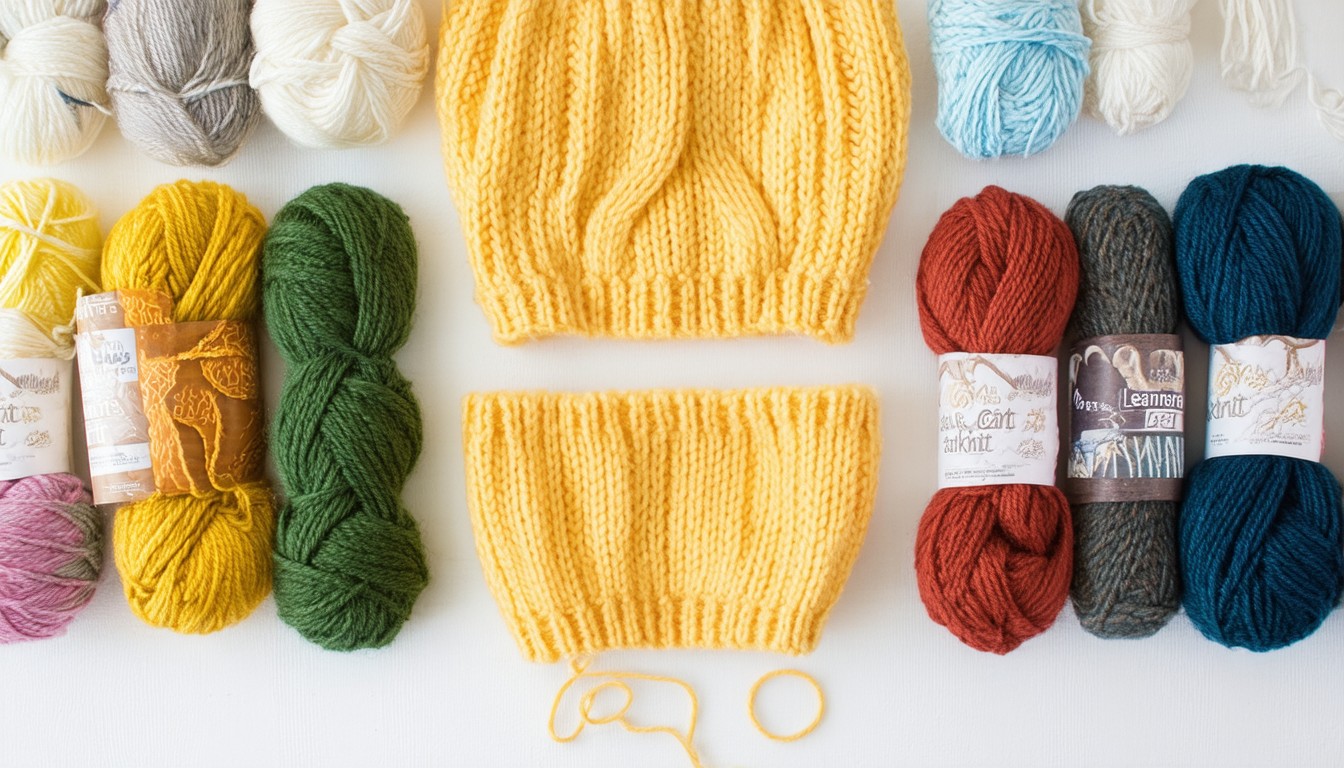
Knitting is experiencing a remarkable resurgence, transforming from a traditional craft into a modern-day wellness activity and creative outlet. Social media feeds increasingly showcase hand-knit scarves, hats, and home décor, drawing beginners of all ages into the world of yarn and needles. According to the Craft Yarn Council, interest in knitting has climbed steadily over the past decade, with younger demographics fueling a renewed appreciation for handmade skills. Beyond its aesthetic appeal, learning to knit is celebrated for fostering mindfulness, building community, and offering a tangible sense of achievement. For anyone curious about picking up the needles, the fundamentals are more accessible than ever.
Understanding Knitting: The Basics and Benefits
Starting with the essentials, knitting involves interlocking loops of yarn using two needles. This process creates everything from simple dishcloths to intricate garments. For beginners, mastering the foundational stitches paves the way to endless creative potential.
Health and Wellness Perks
Recent studies highlight knitting’s positive impact on mental health, linking the rhythmic motions to reduced stress and increased focus. Many knitters report a meditative quality akin to activities like yoga or journaling. The act of working on a project generates a sense of progress and accomplishment, which can be especially empowering in today’s fast-paced digital world.
“Knitting has become a form of active meditation for many, providing measurable reductions in anxiety and depression symptoms,” says Dr. Emma Ross, a researcher specializing in craft therapy.
Community and Connection
Online forums, local knitting clubs, and workshops create meaningful spaces for social interaction. During the global pandemic, countless people rediscovered knitting as a way to combat isolation, connect virtually, and support broader charitable movements—such as knitting hats for newborns or blankets for local shelters.
Gathering the Right Supplies: Beginner’s Toolkit
Equipping yourself with user-friendly materials sets a strong foundation for learning. While specialty yarn shops can be inspiring, simple tools are sufficient for getting started.
Knitting Needles
- Types: Straight needles, circular needles, and double-pointed needles.
- Materials: Bamboo and wood are recommended for beginners—they’re lightweight and less slippery than metal or plastic.
Yarn Selection
Opt for a worsted weight (medium-thickness) yarn in a light color, which makes stitches easier to see. Acrylic or cotton yarns are affordable and widely available, making them ideal for practice.
Other Notions
Include a pair of small scissors, a blunt tapestry needle for weaving in ends, and stitch markers to mark important points in your work. Many starter kits conveniently bundle these items.
Learning the Core Stitches: Casting On and Beyond
At the heart of knitting are a few fundamental techniques. Every pattern draws on these basics, making them crucial for new knitters.
Casting On
The cast-on method forms the first row of stitches on your needle. The “long tail” cast-on is favored for its elasticity and smooth edge.
Knit Stitch
This foundational move creates the classic “V” shaped pattern. With yarn in the back, insert the right needle into the stitch, wrap the yarn, and pull through.
Purl Stitch
Working alongside the knit stitch, the purl creates a bumpy texture. Mastering knit and purl means you can tackle patterns like ribbing and seed stitch with confidence.
Practice Makes Progress
Dedicate short daily sessions to these motions. The muscle memory develops quickly, and small mistakes are part of the learning process.
Easy Patterns for First-Time Knitters
Starting with straightforward projects allows beginners to see results rapidly—a key motivator to stick with the hobby.
Simple Scarf
A garter stitch scarf (knitting every row) is a classic first project. Choose a soft, medium-weight yarn and aim for a width of about six inches.
Washcloth or Dishcloth
These small, square projects let you practice both knit and purl stitches. Plus, they’re quick to finish and useful around the house.
Headbands and Cowls
Circular projects can be attempted earlier than many expect. Modern circular needles simplify the process, opening the door to versatile accessories.
Beyond scarves, exploring easy blanket squares, baby hats, or pet toys helps cement your skills and keeps motivation high.
Tips for Overcoming Common Beginner Challenges
Learning to knit can feel awkward at first. With patience and the right mindset, most hurdles are short-lived.
Reading Patterns
Knitting patterns can appear intimidating due to industry shorthand. Websites, YouTube tutorials, and knitting books break down abbreviations and common symbols, making them more approachable.
Fixing Mistakes
Dropped stitches and uneven tension are normal for newcomers. Investing a few minutes into learning how to “tink” (unknit) or use a crochet hook to pick up dropped stitches can prevent frustration.
Staying Motivated
Joining a virtual knit-along or sharing your progress online builds accountability. Many beginners find that watching their skills improve project by project is its own best reward.
Real-World Inspiration: Stories of Knitting Beginners
Across the globe, new knitters are transforming yarn into both practical items and works of art. In urban makerspaces, young adults meet weekly to share tips and compare patterns. In retirement communities, knitting circles bridge generations and foster ongoing learning.
A notable example: When Emma, a software engineer in San Francisco, picked up knitting during lockdown, she found the craft provided a new kind of focus. “It was the perfect way to unwind after remote meetings, and I loved the sense of completion that comes with finishing a scarf or hat,” she says. This sentiment is echoed in countless testimonials among knitting’s growing fan base.
Conclusion: Embrace Creativity and Cultivate Patience
Knitting is more than a practical skill—it’s a meditative, community-driven craft that rewards patience and creativity. Mastering the basics opens a door to endless possibilities, from wearable art to handmade gifts. With accessible tools, supportive resources, and a thriving global community, beginners are well-positioned to learn to knit and make it a lifelong joy.
FAQs
How long does it take to learn to knit the basics?
Most people can learn the essential knit and purl stitches within a few hours of practice, though developing consistent tension and confidence takes a few projects.
What are the easiest projects for absolute beginners?
Scarves, washcloths, and simple headbands are ideal starter projects because they use basic stitches and require minimal shaping.
What materials do beginners really need?
At the very least, you’ll need a pair of mid-size needles, a skein of smooth, light-colored yarn, scissors, and a yarn or tapestry needle for finishing.
Can I teach myself to knit without classes?
Yes, many excellent tutorials—both in video and written form—are available online. Many knitters are self-taught and rely on online communities for additional support.
How can I fix mistakes if I drop a stitch?
Use a crochet hook or the tip of your needle to pick up the dropped stitch and place it back on your needle. Tutorials are widely available to guide you through common fixes.
Is knitting expensive to start?
Getting started is relatively affordable. Budget-friendly yarn and basic needles are widely available at craft stores or online, and you can expand your toolkit as you gain experience.
