

 March 8, 2026
  10 Min
  No Comment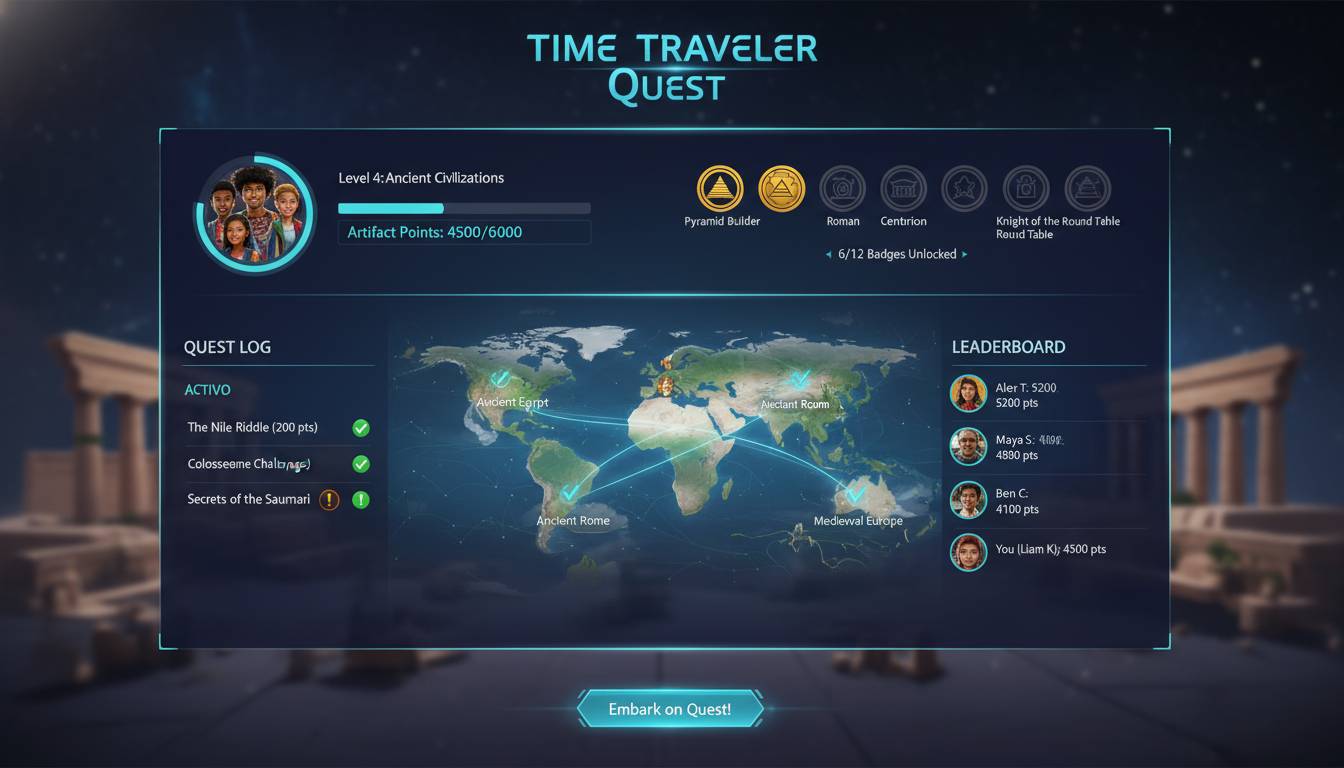
Gamification in learning is changing how students and professionals pick up new skills by bringing game mechanics into educational settings. Instead of passive listening, learners now earn points, chase badges, and compete on leaderboards. The result? Better motivation, stronger retention, and higher completion rates. Educators and organizations looking for ways to boost engagement have found gamification to be a practical tool that makes learning feel less like work and more like playing a game.
What Is Gamification in Learning?
Gamification in learning means using game-design elements—points, badges, leaderboards, challenges, storytelling—in contexts that aren’t games, like school courses, corporate training, or online learning platforms. Traditional learning often has people sitting through lectures or reading through textbooks. Gamified learning gets people involved instead.
The idea pulls from behavioral psychology, especially B.F. Skinner’s work on operant conditioning. Give people rewards for doing something, and they’ll keep doing it. In learning, this looks like earning rewards for finishing modules, mastering concepts, or hitting milestones. That positive feeling pushes learners to keep going.
The eLearning Industry notes that gamification has grown beyond simple badge systems. Today’s versions include story-driven learning paths, difficulty that adjusts as you improve, social features, and analytics that tailor the experience to each learner.
Why Gamification in Learning Works
Gamification works because it taps into things humans naturally want. Traditional education often ignores these psychological needs. Research shows gamified learning leads to real improvements in how well people learn.
Better Motivation and Engagement
Gamification makes learning feel rewarding on its own. Earn points for finishing lessons, unlock badges by showing what you know, compete with others on leaderboards—these create a sense of accomplishment that keeps people coming back. A meta-analysis in the Review of Educational Research found gamified learning improved outcomes by about 34% compared to regular instruction.
Stronger Knowledge Retention
When learners actively participate, make choices, and get instant feedback, they remember more. The interactive nature builds stronger neural connections than passive listening. Studies show gamified content leads to 90% retention compared to 10-20% from traditional lectures—what’s often called the “learning retention pyramid.”
Higher Completion Rates
Online courses have a dropout problem. Gamification fixes this with clear goals, regular feedback, and rewarding milestones that keep momentum going. Companies using gamified training report completion rates above 85%, while traditional e-learning often stays below 40%.
Instant Feedback and Adaptive Learning
Gamified platforms give immediate feedback. Learners see their progress and know where they need more work. The system can adjust difficulty based on performance, keeping things challenging without becoming frustrating.
Key Elements of Gamification in Learning
Good gamification in learning combines several core elements. Knowing what these components do helps educators and designers build effective experiences.
Points and Scoring Systems
Points act as the basic currency of gamified learning. They show progress numerically. Unlike traditional grading that happens at specific times, points add up continuously, giving a real sense of moving forward. Learners earn points for finishing lessons, passing quizzes, joining discussions, and helping others.
Badges and Achievements
Badges visually recognize specific accomplishments. They give immediate satisfaction, let others see what someone achieved, and create a collector’s urge to explore more content. Effective badge systems include some easy ones for early engagement and harder ones for real mastery.
Leaderboards and Competition
Leaderboards let learners see how they stack up against peers. This social comparison motivates many to work harder. But it needs careful handling—leaderboards can discourage people at the bottom if they’re not designed thoughtfully. Good approaches offer multiple ways to earn recognition, let people opt out of public displays, and focus competition on effort rather than absolute performance.
Challenges and Quests
Challenges turn learning goals into missions. Good challenges include story elements, time limits, and increasing difficulty that feel like actual gameplay. Quest-based learning structures content as connected missions that build on each other, creating a coherent journey rather than isolated lessons.
Narrative and Storytelling
Storytelling creates emotional connections between learners and the material. When learning goals fit into compelling stories, the content feels more relevant. Learners understand not just what to learn but why it matters. Narrative-driven approaches work especially well for complex topics that might otherwise feel abstract.
Examples of Gamification in Learning
Gamification shows up across industries and educational contexts. Looking at real examples shows how different organizations approach it.
Duolingo and Language Learning
Duolingo is one of the most successful language learning platforms, and it demonstrates gamification done well. The app uses experience points (XP), streak counts that reward daily practice, leaderboards, league competitions, and a virtual currency called gems. Learners progress through levels that unlock new content, while a hearts system adds stakes by limiting mistakes. This layered approach has gotten Duolingo over 500 million users.
Khan Academy and Academic Learning
Khan Academy uses gamification to make school subjects more engaging for K-12 students. Learners earn energy points, badges for mastering topics, and progress meters that show advancement. The “Mastery Challenges” feature adjusts to individual performance, giving extra practice where needed while letting advanced learners move faster.
Corporate Training Applications
Major companies like Salesforce, Deloitte, and IBM use gamified learning for employee training. Salesforce’s Trailhead uses a mountain-climbing metaphor where learners earn trails and badges by completing modules. Deloitte’s Green Dot program uses points, badges, and social features to get employees involved in compliance and professional development training.
Higher Education Implementations
Universities are adding gamification to boost student engagement. The University of Michigan’s “M-Size” program uses game mechanics to encourage healthy behaviors. Georgia Tech’s online computer science programs include progress tracking, achievement systems, and social features that keep students engaged in what could otherwise feel isolating.
How to Implement Gamification in Learning
Getting gamification right requires planning that connects game mechanics to learning goals. Organizations and educators should follow a systematic approach so gamification helps instead of distracts from educational goals.
Define Clear Learning Objectives
Before adding game elements, educators need clear, measurable outcomes. Gamification should serve these goals, not replace them. Every game mechanic should directly support at least one learning goal—whether that’s gaining knowledge, building skills, or changing attitudes.
Understand Your Audience
Good gamification requires knowing who you’re designing for. Different people respond to different elements—younger learners might enjoy competitive leaderboards, while working adults might prefer achievement badges that recognize job skills. Surveys, interviews, and analytics help tailor approaches to specific groups.
Choose Appropriate Game Elements
Not every gamification element fits every situation. Points and badges work well for learning facts, while simulations and scenario-based challenges better suit skill building. The complexity of the content should guide choices—simple content might need minimal gamification, while complex material could benefit from richer story and challenge structures.
Design for Progression and Flow
The idea of “flow”—being completely absorbed in an activity—helps frame gamification design. Learners should face optimal challenge: not so easy they get bored, not so hard they get frustrated. Adaptive systems that change difficulty based on performance help maintain this flow.
Integrate Feedback and Analytics
Good gamification needs solid analytics that track progress, spot where people struggle, and measure outcomes. This data does two things: it shows learners how they’re doing, and it lets educators refine gamification based on what’s working.
Best Practices for Gamification in Learning
Research and experience have identified practices that separate effective gamification from stuff that doesn’t work.
Balance Extrinsic and Intrinsic Motivation
Rewards and recognition are useful, but leaning too hard on external rewards can undercut genuine interest in the subject. Good gamification shifts motivation over time from external rewards to internal satisfaction of learning itself. This might mean reducing point values as learners progress while emphasizing mastery and self-improvement instead.
Avoid Perverse Incentives
Game mechanics can accidentally create unintended behaviors when rewards don’t align with learning goals. For example, if points only go to completing modules quickly, learners might rush through without actually engaging. Careful design and testing help catch these problems.
Maintain Accessibility and Inclusivity
Gamification must work for diverse learners. Competitive elements that motivate some people may discourage others. Offering multiple paths to achievement and letting people customize their experience helps ensure everyone benefits.
Iterate and Improve
Good gamification needs ongoing tweaking based on learner feedback and performance data. First versions rarely hit the mark immediately. Organizations should plan to refine game elements based on what actually resonates with their specific learners.
The Future of Gamification in Learning
Gamification keeps evolving as technology advances and we learn more about how people learn. Several trends are shaping where this is going.
Artificial Intelligence Integration
AI enables more sophisticated adaptive systems that personalize gamification for each learner. Machine learning can analyze behavior patterns to optimize difficulty, recommend content, and predict which game elements will motivate specific individuals.
Virtual and Augmented Reality
VR and AR open new possibilities for experiential learning that feels genuinely game-like. Virtual environments can simulate real scenarios for medical training, equipment operation, and social skills—hands-on practice in safe, controlled settings.
Social and Collaborative Gamification
Future developments emphasize social learning that leverages peer interaction, teamwork, and community. These approaches recognize that learning often works best through collaboration, and that social connections boost motivation and engagement.
Conclusion
Gamification in learning marks a shift in how educators and organizations approach training. By using game mechanics that tap into basic human psychological needs, gamified environments create engaging experiences that improve motivation, retention, and completion rates. The evidence shows that when done thoughtfully, gamification produces real improvements in learning outcomes across different contexts and audiences.
Success requires aligning game elements with learning goals, understanding what learners need, and continuously improving based on evidence. As technology evolves and our understanding of learning psychology deepens, gamification will likely become more sophisticated, personalized, and woven into educational experiences at every level.
Organizations and educators who embrace gamification thoughtfully—focusing on real engagement rather than a superficial game-like coating—will achieve better learning outcomes while preparing learners for an increasingly interactive digital world.
Frequently Asked Questions
What is gamification in learning?
Gamification in learning applies game-design elements—points, badges, leaderboards, challenges, storytelling—to educational contexts. It changes traditional learning into interactive, reward-driven activities that boost motivation, engagement, and knowledge retention.
Why is gamification effective in education?
Gamification works because it taps into fundamental human needs for achievement, recognition, and progress. It gives instant feedback, sets clear goals, and makes learning enjoyable. Research shows gamified learning can improve retention to 90% compared to traditional methods and significantly raise course completion rates.
What are the main elements of gamification in learning?
Core elements include points and scoring, badges and achievements, leaderboards, challenges and quests, and narrative storytelling. These work together to create engaging experiences that motivate learners to progress and master content.
How do you implement gamification in learning?
Successful implementation requires clear learning objectives, understanding your audience, picking appropriate game elements, designing for progression and flow, and integrating feedback. Start simple and adjust based on learner feedback and performance data.
What are some examples of gamification in learning?
Notable examples include Duolingo for languages, Khan Academy for academic subjects, and corporate platforms like Salesforce Trailhead for professional development. These use points, badges, streaks, leaderboards, and adaptive challenges to maintain engagement.
What is the future of gamification in learning?
The future involves more AI integration for personalized experiences, greater use of VR and AR for immersive learning, and increased focus on social and collaborative gamification. These advances will enable more sophisticated, adaptive, and engaging learning experiences.