

 March 9, 2026
  7 Min
7 Min  No Comment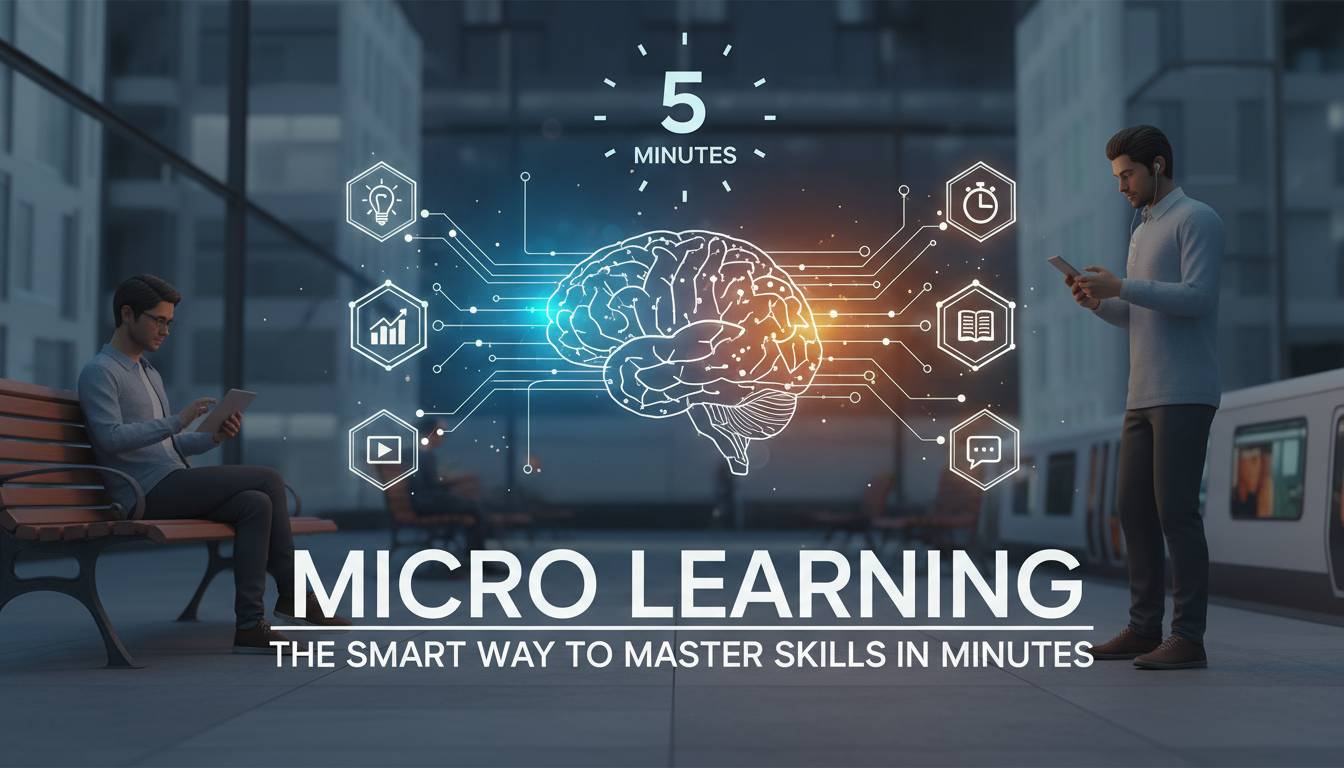
With busy schedules and shrinking attention spans, many people struggle to find time for learning. Micro learning offers a different approach—breaking skills into small chunks that take just minutes to complete. You can knock out a lesson during your morning commute, while waiting for a meeting, or during any small gap in your day. Companies, language apps, and healthcare organizations have all caught on, using this method to teach everything from company policies to new languages.
What is Micro Learning?
Micro learning delivers content in short, focused bursts designed around specific learning goals. Instead of sitting through a two-hour training session or a sprawling online course, you work through modules that take about 3 to 7 minutes each. The idea is based on how the brain actually works—it’s better at holding onto information when you learn it in small pieces rather than all at once.
Each unit usually covers one concept or skill. You repeat and practice it over time, which helps it stick. Mobile apps have made this especially convenient, since you can pull out your phone and learn something during any idle moment.
Research suggests this approach can boost retention rates compared to traditional methods. The active engagement required during brief sessions and the reduced cognitive load seem to make a difference. Companies and training specialists have noticed, pouring resources into micro learning platforms.
Key Benefits of Micro Learning
The benefits go beyond convenience. Micro learning helps combat the forgetting curve—the tendency to lose new information quickly without review. Spaced repetition, built into these short modules, brings back key concepts at moments when they’re most likely to stick in long-term memory.
Time savings matter too. Traditional training often demands full days or weeks, which creates problems for both employees and employers. Micro learning fits into the cracks of a busy day. A salesperson can learn about a new product feature during a coffee break. A nurse can review an updated protocol between patient visits.
For organizations, there are financial and scaling advantages. Companies can train workers across different locations without paying for travel, venues, or instructors. Digital content updates quickly, so employees always have current information without rebuilding entire courses.
Modern platforms also personalize the experience. Algorithms track how each learner performs and adjust recommendations accordingly. Rather than reviewing material you already know, you focus on what needs work.
Real-World Examples of Micro Learning
Micro learning shows up everywhere. In the corporate world, IBM, AT&T, and Walmart use it for onboarding, compliance training, and skill-building. They report better completion rates and faster time-to-competency compared to old-school methods.
Language apps like Duolingo built their model around five-minute lessons that mix vocabulary, grammar, and practice. Learners who do short daily sessions progress faster than those in traditional classroom settings—at least according to the company’s own data.
Healthcare professionals rely on micro learning to stay current as research and protocols evolve. Brief modules let doctors and nurses learn new information without cutting into patient care time. Studies in medical education journals show these targeted lessons can improve decision-making and reduce errors.
Regular people use it for hobbies too. Photography enthusiasts watch quick video tutorials on composition. Home cooks pick up specific techniques through recipe-focused lessons. If you have a smartphone and a few minutes, you can learn all kinds of skills.
How to Implement Micro Learning Effectively
Good micro learning takes planning—you can’t just chop existing content into shorter pieces. Each module needs a clear, measurable goal. Vague or overly ambitious objectives defeat the purpose of focused learning.
Content also needs a different approach than traditional course design. Every unit should cover one point and give learners a chance to apply it right away. Visuals, interactive exercises, and real-world scenarios keep people engaged. With only a few minutes, there’s no room for fluff.
Technology matters. The right platform supports mobile access, tracks progress, and connects with existing systems. Analytics reveal gaps in knowledge, show completion rates, and help optimize content based on performance data. The best implementations deliver content at the exact moment it’s needed—sometimes during work itself.
Integration decides whether micro learning becomes a habit or just another unused resource. Some companies tie module completion to system access or weave short lessons into team meetings. Badges, progress bars, and leaderboards can boost motivation, especially for younger workers used to similar features in games and apps.
The Future of Micro Learning
Expect micro learning to get smarter. AI and data analytics will let platforms predict what learners need before they even ask, serving up relevant content at the right moment. This shifts from learners seeking out education to education finding them.
Augmented reality and wearables will blur the line between learning and doing. A technician could get step-by-step guidance through smart glasses while repairing equipment. Medical students might practice procedures through simulations between classes.
Corporate training budgets are already shifting toward flexible, on-demand options, which points to continued growth. Analysts project strong annual growth for the micro learning market as companies look for faster ways to upskill workers. Schools are experimenting with micro credentials that recognize completion of short modules, which could change how academic credit works.
The broader shift reflects how society thinks about education. The old model—dedicating blocks of time to learning—no longer fits how most people work and live. Micro learning works with these realities, using technology to deliver quality education in ways that actually fit into daily life.
Conclusion
Micro learning has proven itself as a real option for people who want to learn but don’t have hours to spare. Focused content in manageable pieces makes continuous learning realistic for professionals, students, and anyone curious enough to grow. The benefits—better retention, more engagement, time savings—have convinced industries to invest in it.
As technology advances and people expect more flexibility, micro learning will probably play an even bigger role. The key is implementing it thoughtfully, prioritizing actual learning results over just making content shorter. Done right, it’s not just a convenient alternative to traditional education—it works better for many goals in a fast-paced world.
Frequently Asked Questions
What exactly is micro learning?
Micro learning is an educational approach that delivers content in short, focused segments typically lasting between 3 to 7 minutes. Each module addresses a single learning objective, allowing learners to acquire specific skills or knowledge without committing to extended study sessions.
What are the main benefits of micro learning?
The primary benefits include improved knowledge retention through spaced repetition, time efficiency that fits into busy schedules, cost-effectiveness for organizations, and personalized learning experiences that adapt to individual learner needs and pace.
How is micro learning different from traditional e-learning?
Traditional e-learning often involves lengthy courses that require substantial time commitments, while micro learning breaks content into compact modules. This approach reduces cognitive load, increases engagement, and allows learners to access education during brief windows of available time.
What are some examples of micro learning in practice?
Common examples include language learning apps like Duolingo, corporate training modules for compliance and product knowledge, healthcare education for medical professionals, and skill-building lessons on platforms like LinkedIn Learning. Mobile apps focused on photography, cooking, and personal development also exemplify micro learning.
How can organizations implement micro learning effectively?
Successful implementation requires clear learning objectives for each module, engaging content design, appropriate technology platforms with tracking capabilities, and integration into existing workflows. Organizations should also measure effectiveness through analytics and continuously optimize content based on learner performance data.
Is micro learning suitable for all types of education?
Micro learning works best for discrete skills, factual knowledge, and procedural training. Complex subjects requiring deep conceptual understanding may still benefit from longer, more comprehensive instruction. The most effective learning strategies often combine micro learning with other approaches tailored to specific educational goals.