

 March 8, 2026
  7 Min
7 Min  No Comment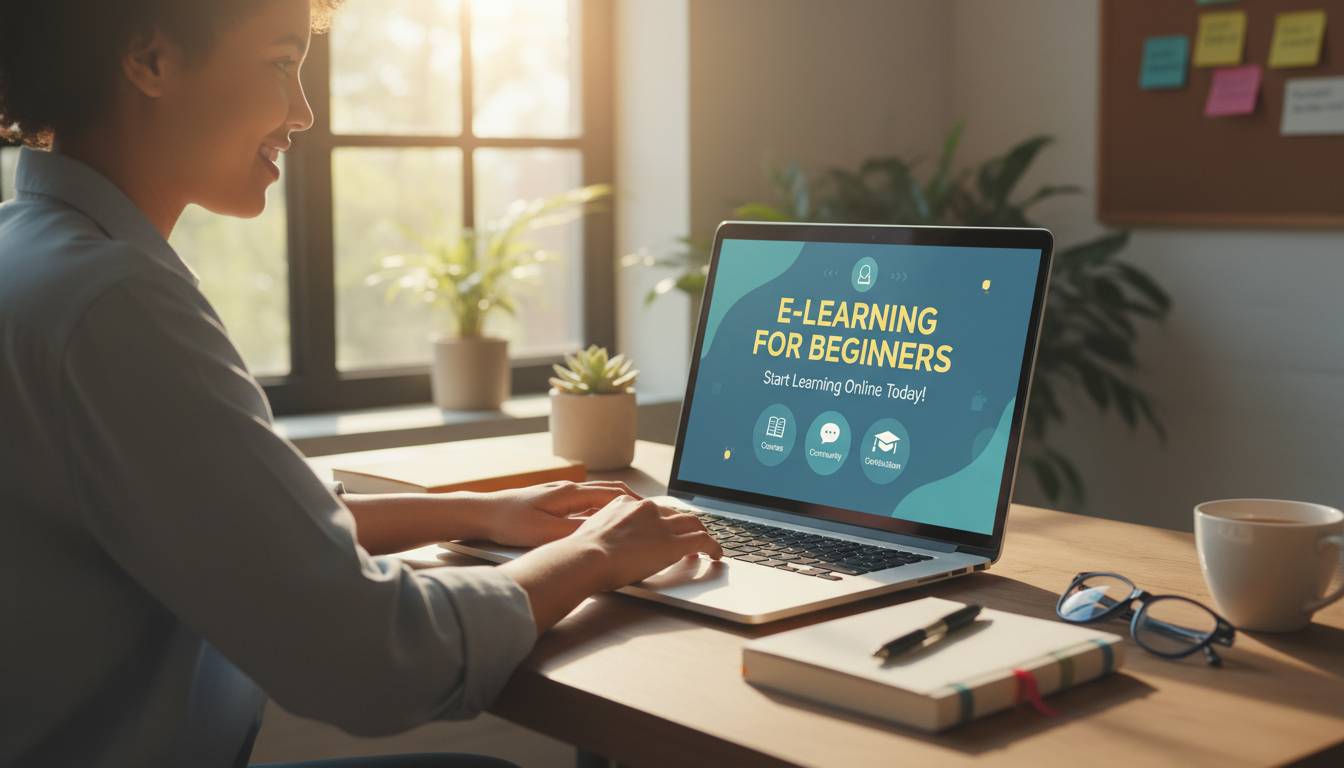
The global e-learning market has transformed from a niche convenience into a mainstream educational pathway. When I first started exploring online learning platforms over a decade ago, options were limited and quality varied widely. Today, digital platforms offer structured paths to new skills without requiring anyone to physically attend a classroom. If you’ve been wondering whether online learning fits your goals, this guide covers everything you need to begin your e-learning journey.
What is E-Learning?
E-learning means acquiring knowledge through digital tools and internet-based resources. Instead of attending classes in person, you access educational content from anywhere globally, on your own schedule. This includes video lectures, interactive quizzes, discussion forums, virtual simulations, and live streaming classes.
The concept existed since the early internet, but it has expanded dramatically over the past decade. According to Grand View Research, the global e-learning market was valued at approximately $399.4 billion in 2022 and is projected to grow at a compound annual growth rate (CAGR) of 14.3% from 2023 to 2030. Improved internet infrastructure, smartphone adoption, and sophisticated learning management systems have made online education accessible to millions worldwide.
Modern e-learning platforms use adaptive algorithms to personalize your experience based on your progress patterns. These systems adjust to different learning styles, track completed modules, and provide immediate feedback. This flexibility particularly appeals to working professionals, students, and anyone seeking to upgrade their skills without disrupting their current commitments.
Benefits of E-Learning for Beginners
In my experience coaching new online learners, flexibility consistently emerges as the biggest advantage. Traditional education comes with fixed class times and rigid schedules. Online courses let you study at your own pace whenever you have time—whether that is 6am before work or late at night after children go to bed. You create your own timetable.
The cost difference matters significantly. Traditional degree programs involve tuition, commuting expenses, textbooks, and sometimes relocation costs. According to the College Board, the average annual cost of tuition and fees at public four-year in-state institutions was $10,940 in 2022-2023, while private four-year institutions averaged $39,400. Many online courses offer quality instruction for a fraction of that amount, and some provide free access entirely. This accessibility means more people can pursue education regardless of financial circumstances.
The range of available subjects is extensive. You can learn programming, data science, creative writing, new languages, or project management—all without relocating. Platforms offer certifications that employers recognize, providing verifiable proof of newly acquired skills.
How to Get Started with E-Learning
Before diving in, I recommend clarifying what you actually want to achieve. What specific skills do you need? How will you apply this education? Clear goals maintain motivation and help you select appropriate courses.
Selecting a platform is the next major decision. Coursera, Udemy, and edX partner with universities and companies to offer courses across many subjects. More specialized platforms exist too—Codecademy for coding, Duolingo for languages, Skillshare for creative work. Review what each platform offers, check user reviews, and evaluate options against your budget.
You will need a study schedule that actually works for you. Without an instructor reminding you when class starts, procrastination becomes tempting. Start with 30-45 minute sessions and build up gradually. Treat your study time like any other appointment—block it off and protect it.
Best E-Learning Platforms for Beginners
Your choice depends on what you want to learn and how you prefer to study.
Coursera works well if you seek university-level courses. It partners with institutions including Yale, Stanford, and Google. You can pursue full degrees or take individual courses.
Udemy hosts over 210,000 courses from independent instructors according to their platform data. The marketplace runs frequent sales, offering opportunities to find courses at reduced prices. Lifetime access to purchased materials means you can return for refreshers whenever needed.
Codecademy excels for coding beginners. You write and execute code directly in your browser with instant feedback. freeCodeCamp offers completely free coding curriculum—ideal for testing interest before committing financially.
Duolingo employs gamification and brief lessons to make language learning feel less formal. The streak system encourages consistent practice. For more comprehensive language study, Rosetta Stone and Babbel offer deeper curricula with structured progression.
Tips for Success in E-Learning
Passive viewing rarely produces results. I have found that taking notes, completing every exercise, participating in discussion forums, and explaining concepts to others significantly improves understanding. The National Training Laboratory’s “Learning Pyramid” research indicates that passive learning methods like listening yield approximately 5% retention, while teaching others yields around 90% retention.
Establish a specific study location. A quiet corner with adequate lighting and minimal distractions helps your brain transition into focused learning mode. When you consistently study in the same spot, your brain learns to concentrate there automatically.
Connect with other learners. Many platforms provide discussion boards and study groups where you can meet people pursuing similar goals. Learning alongside others maintains accountability and reduces the isolation that self-paced study can create.
Common Challenges and How to Overcome Them
Procrastination affects everyone. Without external deadlines, it becomes easy to postpone starting. I recommend setting small, concrete milestones and rewarding yourself upon completion. Finishing one module represents genuine progress.
Technical problems will occur eventually. Maintain backup plans for internet connectivity issues, update software regularly, and familiarize yourself with your platform’s features before beginning a course. Most platforms offer mobile applications, enabling continued learning even when computers malfunction.
Isolation is a legitimate concern. Without physical classroom presence, some learners feel disconnected. Seek live sessions, virtual office hours, or real-time messaging features. Participating in community discussions and asking questions helps bridge that gap.
Frequently Asked Questions
What is e-learning and how does it work?
E-learning involves learning through digital platforms and internet-based resources. Educational content—videos, quizzes, interactive materials—gets delivered through learning management systems. You access everything using computers, tablets, or smartphones, progressing through courses at your own pace while the platform tracks your advancement.
How do I start e-learning as a beginner?
First, determine what you want to learn and why. Select a subject that genuinely interests you or supports career advancement. Research platforms offering courses in that area. Choose one with beginner-friendly options and adequate support resources. Establish a realistic study schedule, commit to regular sessions, and begin with a course specifically designed for newcomers.
Is e-learning good for beginners?
Yes. Flexibility and reduced costs make it less intimidating than traditional education. Many platforms specifically design introductory courses for people with zero prior experience. The ability to progress at your own pace and rewatch videos removes pressure that formal classroom settings can create.
What platforms are best for beginners?
It depends on your learning goals. Coursera and edX offer structured university-quality courses. Udemy provides a large marketplace with frequent sales. Codecademy specializes in technology skills with hands-on practice environments. Duolingo makes languages accessible through gamification. Select based on your specific interests and preferred learning style.
How long does it take to complete an e-learning course?
Completion times vary significantly. Some short courses require a few hours over several days. Comprehensive programs with multiple modules may extend across weeks or months. Most platforms provide estimated completion times, but you can accelerate or decelerate based on your schedule availability.
Can e-learning lead to real career opportunities?
Many employers recognize credentials from established e-learning platforms, particularly in technology, data science, digital marketing, and project management fields. Professional certificates from Coursera, LinkedIn Learning, and Udacity demonstrate professional development on resumes. Countless individuals have successfully transitioned careers or achieved promotions through dedicated online learning efforts.
Conclusion
E-learning has fundamentally changed how we access education. Anyone with an internet connection can now develop valuable skills and knowledge. For beginners, success begins with identifying learning goals, selecting platforms that align with those objectives, and establishing a sustainable study routine.
Your results depend directly on your consistent effort. Clear goals, quality resources, and regular practice produce measurable outcomes that can transform careers or open unexpected doors. The tools continue improving, and opportunities expand for those willing to invest in their own development. Your move.