

 March 6, 2026
  11 Min
  No Comment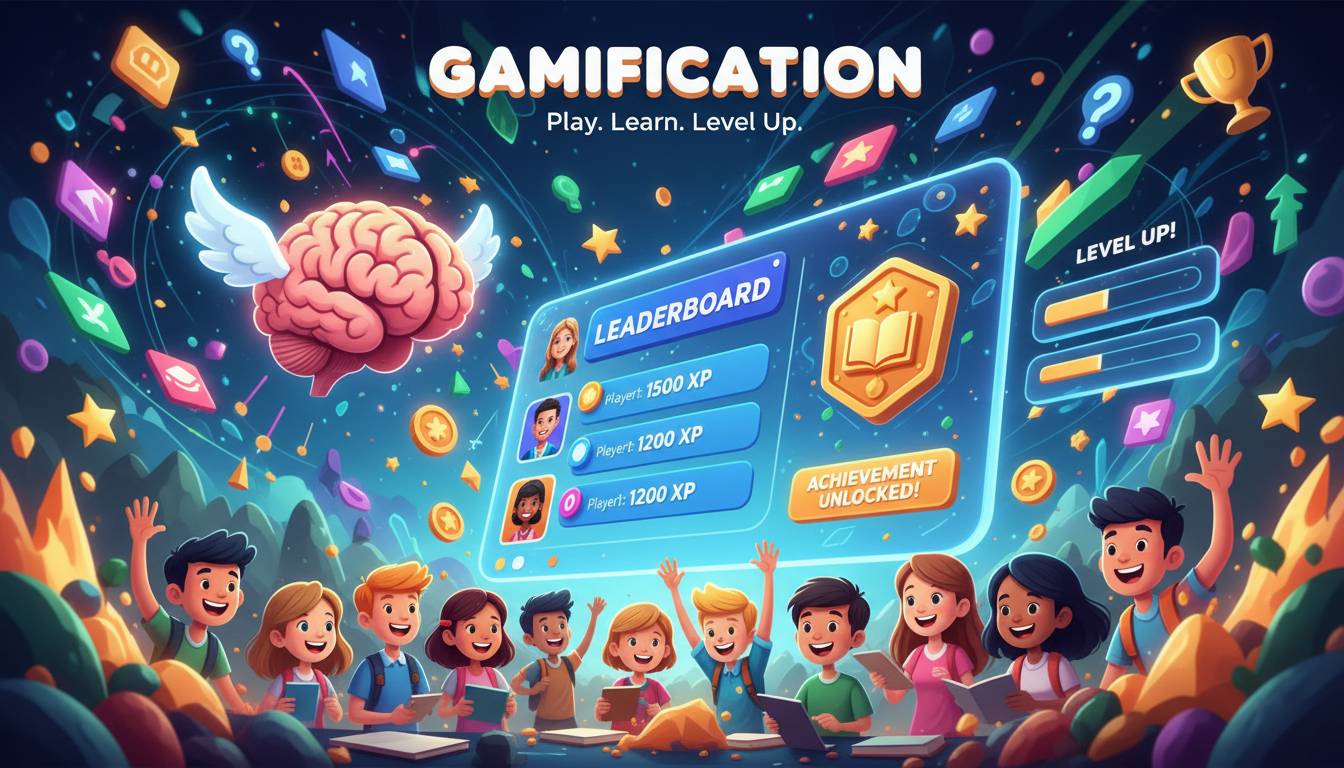
Lecture halls have long dominated educational settings, but interactive learning has emerged as a compelling alternative backed by educational research. This approach transforms learners from passive recipients of information into active participants through engagement, collaboration, and hands-on experience. Schools, corporate training programs, and digital learning platforms throughout the country have adopted these methods. As someone who has observed both approaches in educational settings, the differences in learner outcomes are striking. For anyone in education or training, understanding these methods matters.
What is Interactive Learning?
Interactive learning involves learners directly with content, instructors, and peers. Instead of information flowing one direction from teacher to student, interactive learning requires participants to question, manipulate information, and apply knowledge in real-time. This includes discussions, simulations, games, collaborative projects, and technology-driven experiences that make learning dynamic rather than a simple transfer of facts.
The core idea is that engagement leads to understanding. When learners interact with material, they construct knowledge rather than just receiving it. Educational theorists have long argued that meaningful learning happens when students actively build on existing knowledge through experience and reflection. Modern interactive learning environments create spaces where learners can experiment, get immediate feedback, and adjust their understanding based on outcomes.
The difference between interactive learning and traditional methods goes beyond participation. Interactive environments are designed to promote critical thinking, problem-solving, and retention through sustained mental engagement. According to a widely cited meta-analysis published in Psychological Science in the Public Interest, active learning strategies show consistent positive effects across multiple studies in science, technology, engineering, and mathematics education. This evidence explains why schools and corporate training departments are adopting interactive methods as core parts of their educational strategies.
Why Interactive Learning Works: The Science Behind Engagement
Multiple psychological and neurological factors explain why interactive learning works. When learners actively engage with content, multiple brain areas activate at once, creating stronger neural pathways than passive observation. This multi-sensory engagement helps information move into long-term memory rather than fading quickly.
Interactive learning also addresses motivation factors that determine educational outcomes. Lecture formats often leave learners passive and disconnected, causing attention spans to decline. Interactive methods introduce choice, challenge, and social connection that tap into intrinsic motivation. When learners choose how to approach a problem or collaborate with peers, they develop ownership of their learning journey, resulting in higher engagement and more meaningful experiences.
The social dimension matters too. Humans are social beings, and learning involving collaboration, discussion, and peer interaction activates cognitive processes that solitary study cannot replicate. Group problem-solving exposes learners to different perspectives, challenges assumptions, and requires articulation of understanding—processes that deepen comprehension. In my observations of classroom implementations, collaborative learning environments consistently produce better outcomes than competitive or individualistic settings, especially for complex subjects.
7 Proven Methods for Implementing Interactive Learning
Method 1: Gamification and Game-Based Learning
Gamification applies game design elements to educational contexts, turning standard content into engaging challenges with clear objectives, rules, and feedback. This method uses the motivational power of games—points, badges, leaderboards, and narrative progression—to make learning feel like play. Educational research has examined gamification extensively; a systematic review in Computers & Education (2017) analyzed 68 empirical studies and found that gamification generally produces positive effects on learning outcomes, with the strongest results in motivation and engagement measures.
Successful gamification requires balancing challenge with achievability. When tasks are too difficult, learners feel frustrated; when too easy, boredom sets in. Effective game-based platforms use adaptive algorithms that adjust difficulty based on performance, keeping each learner in the optimal engagement zone. Platforms like Kahoot!, Duolingo, and Classcraft show how gamification works across different age groups and subjects, from K-12 to corporate training.
Method 2: Simulations and Virtual Environments
Simulations create realistic scenarios where learners can practice decision-making and apply knowledge without real-world consequences. Medical students perform virtual surgeries; business executives run simulated market competitions. These environments let learners experiment and learn from mistakes in safe spaces. They engage multiple learning modalities—visual, kinesthetic, and analytical—creating comprehensive educational experiences.
Virtual reality and augmented reality have expanded what’s possible with simulations. Modern VR platforms can transport learners to historical events, microscopic environments, or impossible physical locations. Research published in Computers & Education has examined VR learning environments, finding that immersive technologies can enhance spatial understanding and procedural memory, though effects vary based on implementation quality and learning objectives.
Method 3: Collaborative Projects and Group Problem-Solving
Collaborative learning uses the social nature of humans by structuring education around group work and peer interaction. This method requires learners to communicate, negotiate, and synthesize different perspectives—processes that deepen understanding and develop professional skills. Studies in cooperative learning, including work by Johnson and Johnson cited in educational psychology literature, indicate that structured collaborative learning improves academic outcomes and builds teamwork capabilities that employers prioritize.
Effective collaborative learning needs structure to prevent passive participation and ensure everyone contributes. Strategies include assigning specific roles within groups, combining individual accountability with group assessments, and designing tasks that require genuine interdependence rather than simple division of labor. Tools like Google Workspace, Microsoft Teams, and Padlet facilitate collaboration across physical distances, enabling group projects to work in both in-person and remote settings.
Method 4: Discussion-Based Learning and Socratic Seminars
Discussion-based learning turns classrooms into communities of inquiry where knowledge emerges through dialogue. This method positions the instructor as a facilitator who guides rather than dictates learning. Through carefully crafted questions, educators lead learners to discover insights themselves, creating more durable understanding than information transmission alone.
Socratic seminars are a structured form of discussion-based learning where participants engage in dialogue about complex texts or problems. The method develops critical reading, listening, and articulation skills while building respect for diverse viewpoints. From my experience observing classroom implementations, teachers who use Socratic seminars report improvements in student engagement, analytical capabilities, and willingness to engage with challenging material. This technique works well for humanities, ethics, and complex scientific questions where multiple valid perspectives exist.
Method 5: Hands-On Experiments and Project-Based Learning
Project-based learning organizes curriculum around extended investigations that produce tangible outputs, requiring learners to apply knowledge across multiple disciplines while developing real-world skills. Unlike traditional assignments that test recall of isolated facts, project-based learning demands synthesis of concepts, iterative problem-solving, and persistence through challenges. The Buck Institute for Education (now Available) has documented improvements in content understanding and attitudes toward learning among students in project-based environments.
Hands-on experiments complement project-based learning by providing tactile experiences that connect abstract concepts to physical reality. Science laboratories, maker spaces, and vocational training programs exemplify this approach, allowing learners to manipulate materials, observe results, and draw conclusions through direct experience. This methodology helps kinesthetic learners who struggle with purely abstract instruction, while also benefiting visual and auditory learners through multi-sensory engagement.
Method 6: Adaptive Learning Technology
Adaptive learning systems use artificial intelligence to personalize educational experiences based on individual learner performance, preferences, and pace. These platforms analyze data about how each learner interacts with content—identifying concepts that cause difficulty, topics needing reinforcement, and learning styles that optimize retention. The resulting personalized pathways ensure learners neither struggle beyond their capability nor waste time on content they have already mastered.
Adaptive learning represents a significant advancement in educational technology, addressing the challenge of differentiation in classroom settings. Platforms like Carnegie Learning, DreamBox, and Knewton analyze millions of data points to understand how individuals learn. Research examining intelligent tutoring systems, published in peer-reviewed journals, has documented effect sizes suggesting meaningful improvements in learning outcomes compared to traditional approaches.
Method 7: Flipped Classroom and Blended Learning Models
The flipped classroom inverts traditional educational structures by moving direct instruction outside the classroom through pre-recorded lectures, readings, or video content, while using class time for interactive activities, discussions, and applied learning. This model maximizes face-to-time interaction by reserving it for activities that benefit from real-time engagement—collaboration, problem-solving, and feedback—while allowing learners to absorb foundational content at their own pace.
Blended learning extends this by combining multiple delivery methods—online and in-person, synchronous and asynchronous—into cohesive experiences. This flexibility helps learners juggling education with work, family, and other responsibilities. Research examining blended learning implementations, including studies referenced in U.S. Department of Education reports, has found that students in blended learning environments often perform comparably or better than those in traditional classrooms, with effects varying by subject area and implementation quality.
Interactive Learning Tools and Platforms
Educational technology has created a rich ecosystem of tools for interactive learning. Learning management systems like Canvas, Blackboard, and Moodle provide infrastructure for delivering content, tracking progress, and facilitating communication. Beyond these, specialized tools address specific approaches: Mentimeter and Poll Everywhere enable real-time polling; Nearpod and Pear Deck add interactive elements to presentations; Edpuzzle and PlayPosit turn video into interactive assessments.
For collaborative learning, tools like Padlet, Miro, and Google Jamboard create shared digital spaces where groups can brainstorm, organize ideas, and build collective understanding. Simulation platforms range from virtual chemistry labs to business strategy games, providing experiential learning without physical resource constraints. In my experience evaluating educational technology, effective integration depends not on the tools themselves but on thoughtful pedagogical design that uses technology capabilities to achieve specific learning objectives.
How Educators Can Implement Interactive Learning
Successful implementation requires planning, professional development, and willingness to adapt traditional instructional approaches. Educators starting this journey should audit current practices to identify opportunities for more engagement—moments when students passively receive information that could be explored through interaction. Small changes, like adding discussion prompts between lecture segments or incorporating brief collaborative activities, can gradually shift classroom dynamics toward more interactive approaches.
Professional development helps educators develop facilitation skills needed for interactive classrooms. Unlike traditional instruction where teachers primarily deliver content, interactive learning requires managing group dynamics, asking probing questions, providing formative feedback, and adjusting activities in real-time. Schools investing in interactive methods should allocate resources for ongoing training and peer observation to support educators.
Assessment practices must also evolve to match interactive learning philosophies. Traditional tests emphasizing memorization and recall may not capture the deeper understanding and skills that interactive methods develop. Educators should incorporate performance-based assessments, portfolio evaluations, and project demonstrations that let learners demonstrate competency through application. This alignment between instruction and assessment ensures grading practices reinforce interactive learning goals.
Conclusion
Interactive learning represents a shift in educational philosophy—one that treats learners as active participants in knowledge construction rather than passive recipients. The seven methods here show diverse approaches for increasing engagement and improving outcomes. From gamification and simulations to collaborative projects and adaptive technology, each offers unique benefits while requiring genuine mental engagement from learners.
As educational institutions continue adapting to changing learner expectations and technological capabilities, interactive methods will become more central. The evidence supporting these approaches—showing improved retention, engagement, and skill development—provides justification for investment. Educators who adopt these methods position themselves at the forefront of educational innovation, preparing learners with knowledge and the critical thinking and collaborative skills needed for an increasingly complex world.
Frequently Asked Questions
What is interactive learning?
Interactive learning actively involves learners in the process through engagement with content, instructors, and peers. Instead of passive learning methods, interactive learning requires participants to question, manipulate, and apply knowledge through discussions, simulations, games, collaborative projects, and hands-on activities that build knowledge rather than just transfer information.
Why is interactive learning more effective than traditional methods?
Interactive learning produces better outcomes because it engages multiple cognitive processes at once, creating stronger neural pathways for memory. Educational research, including meta-analyses published in peer-reviewed journals, indicates that active learning strategies show positive effects on exam performance and concept retention. Interactive approaches also tap into intrinsic motivation through choice, challenge, and social connection, resulting in higher engagement and deeper understanding.
What are the best interactive learning methods for K-12 education?
Effective interactive methods for K-12 include gamification through platforms like Kahoot!, project-based learning that produces tangible outcomes, collaborative group work, and hands-on science experiments. Adaptive learning technologies like DreamBox and Carnegie Learning personalize experiences for individual students, while flipped classroom models maximize face-to-face time for interactive activities.
How does interactive learning benefit different learning styles?
Interactive learning accommodates diverse styles by incorporating visual, auditory, and kinesthetic elements. Visual learners benefit from simulations and digital platforms; auditory learners engage through discussions and verbal explanations; kinesthetic learners thrive in hands-on experiments and physical activities. This multi-modal approach ensures no learning style gets neglected.
What technology tools support interactive learning?
Many tools support interactive learning, including learning management systems (Canvas, Blackboard), polling platforms (Mentimeter, Poll Everywhere), collaborative spaces (Padlet, Google Jamboard), gamification tools (Classcraft, Duolingo), adaptive systems (Knewton, DreamBox), and simulation platforms. Effectiveness depends on thoughtful pedagogical integration rather than technology alone.
How can teachers implement interactive learning in traditional classrooms?
Teachers can start by gradually introducing engagement techniques into existing structures. Beginning with brief discussion prompts between lecture segments, incorporating think-pair-share activities, and using simple polling tools requires minimal disruption while building toward more comprehensive interactive approaches. Professional development, peer observation, and aligned assessment practices support successful implementation.
“`