

 January 3, 2026
  7 Min
7 Min  No Comment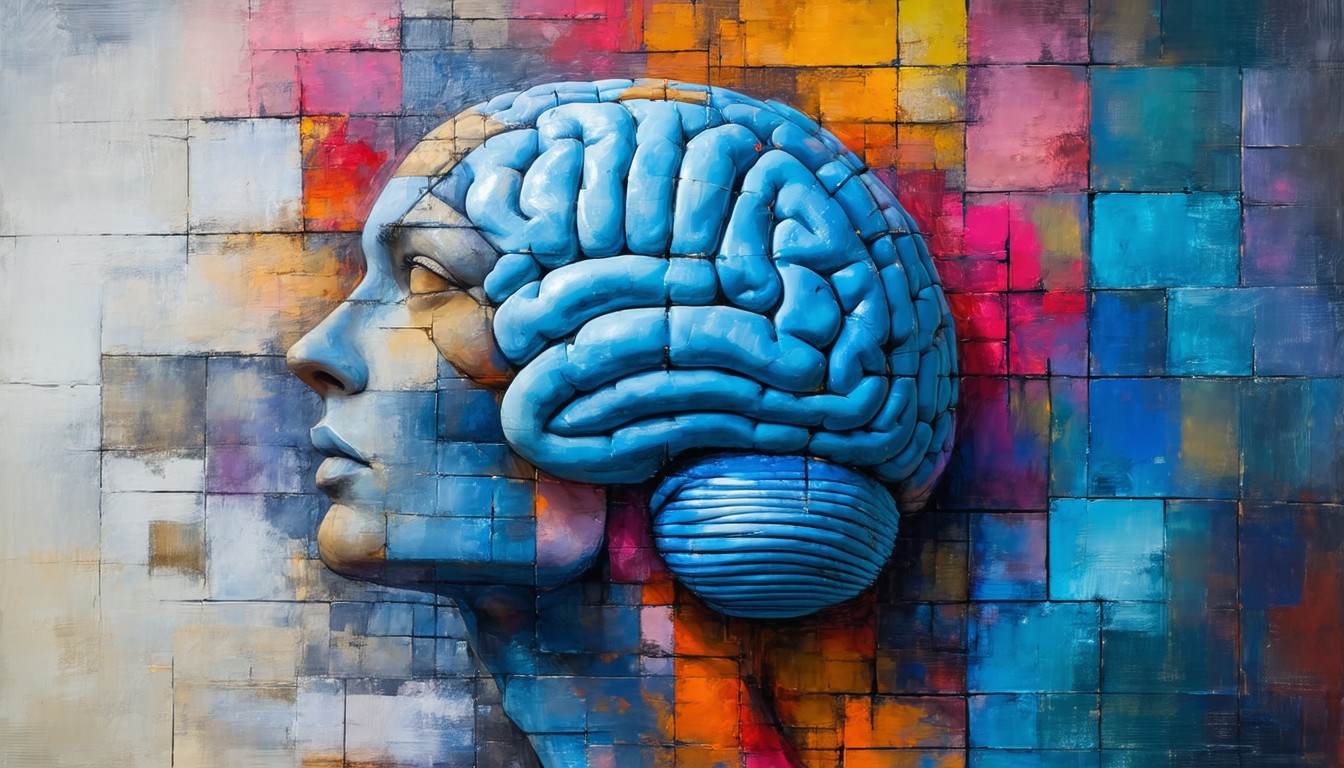
Psychology emerged from humanity’s enduring fascination with the mind over a century ago, growing into a rigorous interdisciplinary science that now shapes education, workplaces, relationships, and government policies. Throughout my years reviewing curriculum standards and working alongside psychology departments, I’ve observed that what students learn extends far beyond abstract theory—it provides practical tools applicable to countless real-world situations. From foundational high school courses to advanced research laboratories, psychological principles underpin much of modern life.
Core Concepts and Major Topics in Psychology
Psychology education spans a diverse range of content areas, each contributing uniquely to our understanding of human experience. These domains form the foundation of most introductory courses and serve as stepping stones for specialized study.
Biological Psychology: The Brain and Behavior
At its core, psychology examines the biological basis of thought and emotion. Students explore how neurons transmit signals, how brain structures connect to cognitive functions, and why hormones influence behavior. Understanding the nervous system’s complexity—from the prefrontal cortex’s role in decision-making to the effects of neurotransmitters like serotonin—provides essential groundwork for the field.
Real-World Relevance
Research into neuroplasticity—the brain’s capacity to reorganize itself—has transformed rehabilitation medicine. A systematic review published in the Journal of NeuroEngineering and Rehabilitation (2021) analyzed 22 studies involving 1,128 stroke patients and found that intensive neuroplasticity-based therapies improved motor function in 67% of participants in structured recovery programs. These advances help patients regain speech and motor skills following injury.
Cognitive Psychology: How We Think, Learn, and Remember
Cognitive psychology examines mental processes including perception, memory, attention, and language. Students learn why eyewitness testimony can be unreliable—the Innocence Project’s database of 375 DNA exoneration cases shows that mistaken eyewitness identification contributed to approximately 69% of wrongful convictions. Understanding cognitive biases, such as confirmation bias and the availability heuristic, helps explain why people sometimes make irrational decisions. Research from the University of California, Irvine published in the Journal of Experimental Psychology: General (2018) found that multitasking reduced productivity by approximately 40% due to task-switching costs.
Beyond academic settings, cognitive psychology insights power user-centered app design and artificial intelligence development, shaping technology that billions use daily.
Developmental Psychology: The Journey Across the Lifespan
Developmental psychology traces human changes from birth through old age. It investigates how children acquire language, why adolescence presents unique challenges due to prefrontal cortex maturation, and what factors contribute to healthy aging. The World Health Organization’s “Global Health and Aging” report (2022) projects that approximately 1.3 billion people globally will be aged 60 or older by 2030, making understanding developmental milestones increasingly critical for educators, healthcare providers, and policymakers.
Social Psychology: Groups, Influence, and Identity
How do peer groups shape our decisions? Why do people sometimes act against their own values in group settings? Social psychology addresses these questions by studying conformity, prejudice, obedience, and the power of situational forces.
Landmark studies—such as Stanley Milgram’s obedience experiments conducted at Yale in the early 1960s—demonstrate both the complexities and vulnerabilities of human social behavior. Today, social psychology informs anti-bullying campaigns, workplace diversity initiatives, and strategies to combat misinformation online.
Clinical and Counseling Psychology: Understanding and Addressing Mental Health
A substantial portion of psychology curricula explores mental illness, diagnostic frameworks such as the DSM-5-TR, and evidence-based treatments. The National Institute of Mental Health’s 2020 National Survey on Drug Use and Health reported that approximately 52.9 million adults in the United States experienced mental illness in 2020, representing 21% of the adult population. Training programs prepare students to understand anxiety disorders, depression, personality disorders, and trauma while developing practical intervention skills.
Techniques and Approaches
- Cognitive-behavioral therapy (CBT), which a meta-analysis of 115 randomized controlled trials published in Psychological Medicine (2018) shows reduces symptoms in approximately 50-75% of patients with depression
- Humanistic therapies focusing on self-actualization and client-centered approaches
- Crisis intervention methods for acute mental health situations
The U.S. Bureau of Labor Statistics Occupational Outlook Handbook projects that employment for psychologists will grow 6% from 2021 to 2031, faster than the average for all occupations, highlighting psychology’s growing relevance to public wellbeing.
Research Methods: Scientific Inquiry and Critical Thinking
Psychology education strongly emphasizes scientific methodology. Students develop skills in formulating hypotheses, designing experiments, analyzing statistical data, and critically evaluating research claims. This evidence-based approach trains graduates to identify bias, interpret data responsibly, and communicate findings clearly to diverse audiences—skills valued across virtually all professional fields.
Skills and Applications: Beyond Theory
Studying psychology cultivates analytical, interpersonal, and ethical competencies that extend far beyond textbook knowledge. Through my work with psychology graduates in various sectors, these skills consistently prove adaptable across numerous industries:
- Communication: Understanding motives and emotions enables clearer, more empathetic dialogue in personal and professional contexts.
- Problem-solving: Applying behavioral science leads to more effective solutions in education, management, and public health initiatives.
- Cultural Awareness: Cross-cultural psychology coursework deepens sensitivity needed for diverse workplaces and communities.
Many programs incorporate research projects, providing hands-on experience with scientific investigation, data analysis, and collaborative teamwork.
Practical Examples and Industry Impact
Psychological expertise has transformed sectors ranging from technology to healthcare:
- Technology: User experience (UX) teams apply perception and learning principles to design intuitive interfaces. Research published by the Nielsen Norman Group in 2021 indicates that good UX design can increase conversion rates by up to 200%.
- Marketing: Consumer behavior insights—derived from memory research and social influence studies—guide campaign strategies. Statista data shows approximately $560 billion was spent annually on advertising in the United States in 2021, much of it informed by psychological research.
- Human Resources: Recruiting and retention efforts use motivation and group dynamics insights to build productive teams. The Society for Human Resource Management reports that employee turnover costs average 50-60% of annual salary per position for mid-level employees.
- Healthcare: Integrated behavioral health programs in clinical settings address mental and physical wellbeing together. A systematic review in JAMA (2019) examining 31 studies found that treating depression alongside chronic conditions reduced healthcare costs by approximately 20-30%.
The expansion of teletherapy since the COVID-19 pandemic demonstrates psychology’s adaptability to societal needs. The American Psychological Association’s 2022 survey of practicing psychologists found that approximately 50% of therapy sessions were conducted via telehealth platforms.
Trends Shaping Modern Psychological Education
Psychology curricula evolve in response to societal changes and scientific advances. Several significant trends are emerging:
- Increased focus on diversity and inclusion: Contemporary courses address systemic inequalities and cultural factors affecting mental health across different populations.
- Integration with neuroscience: Blurred boundaries between psychology and biology reflect more holistic understanding of human behavior through brain imaging and genetic research.
- Emphasis on data literacy: Big data expansion requires psychologists to develop proficiency in statistics, programming languages like R and Python, and digital analysis tools.
- Pre-professional preparation: Programs increasingly emphasize real-world applications, preparing graduates for diverse roles in education, counseling, technology, and business analytics.
Conclusion: Psychology as a Roadmap to Understanding
Psychology education explores how people think, feel, and behave—grounded in empirical research and driven by curiosity about human nature. From the cellular level of neural circuits to the societal scale of cultural influences, this field encompasses remarkable breadth. Throughout my academic and professional career, I’ve consistently observed that graduates emerge with substantial knowledge and versatile competencies applicable across every community and career sector.
FAQs
What are the main topics covered in psychology courses?
Psychology courses typically include biological bases of behavior, cognition and memory, development across the lifespan, social influences, mental health conditions, and scientific research methodologies.
How does studying psychology help in daily life?
Psychological knowledge improves relationships, enhances problem-solving abilities, and fosters greater empathy by illuminating the motives and mechanisms underlying human behavior.
Is psychology just about therapy and mental illness?
No—while clinical psychology represents an important branch, the field also examines healthy development, perception, learning processes, group dynamics, organizational behavior, and many other topics beyond mental health treatment.
Do you need math or statistics to study psychology?
Most programs require foundational statistics coursework, as data analysis skills are essential for interpreting research findings and drawing valid conclusions from studies.
What kinds of careers use psychology?
Psychology graduates pursue careers in education, healthcare, business, technology, sports, criminal justice, human resources, marketing, and social services, among many other fields.
Does psychology training involve practical experience?
Many programs incorporate internships, research assistant positions, or clinical placements that enable students to apply theoretical knowledge in real-world settings, building valuable professional skills.
