

 December 16, 2025
  6 Min
6 Min  No Comment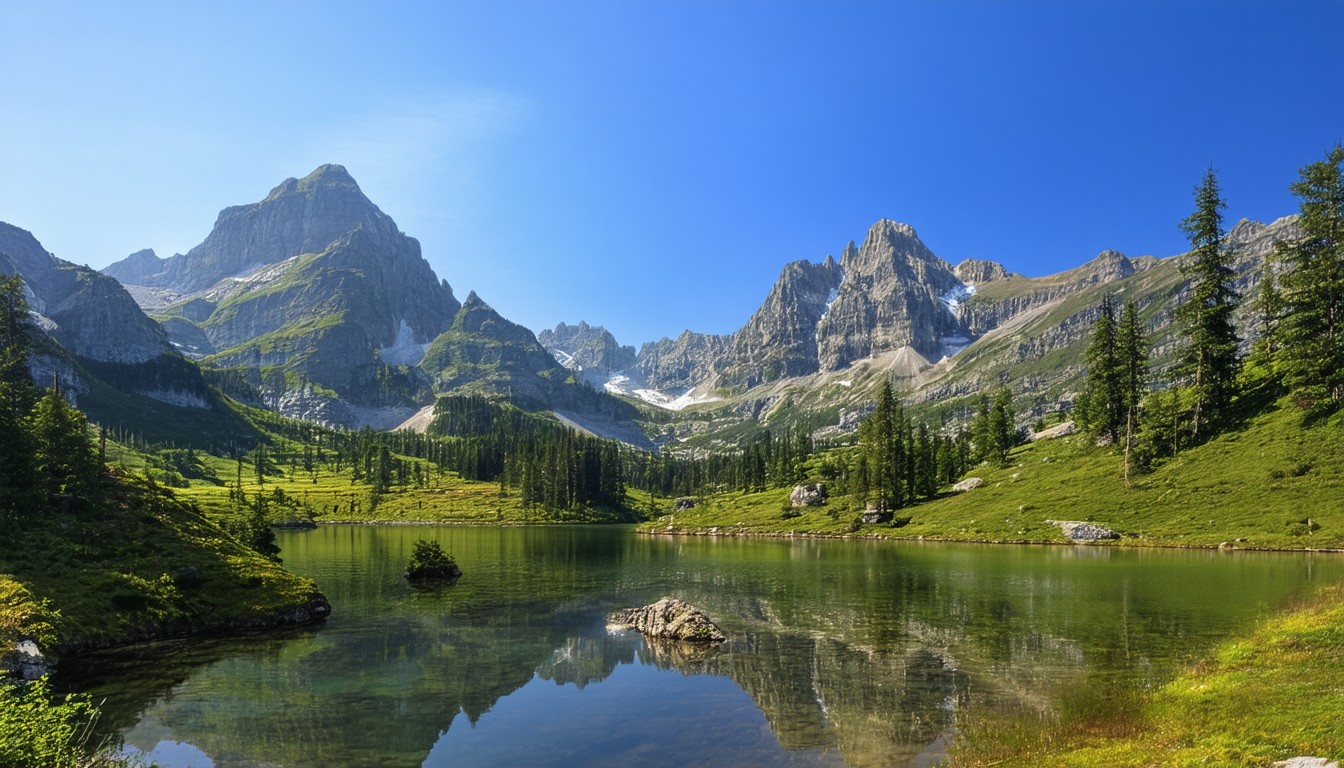
Spectacular mountain vistas reflecting off tranquil lakes have long captivated travelers and artists alike. These scenes appear on everything from travel brochures to desktop backgrounds, symbolizing nature’s serene grandeur. But what sets a truly stunning landscape view apart? The interplay of light, atmosphere, and geography offers endless variation, making each photograph or painting a study in both art and science.
The Allure of Mountains and Lakes in Visual Storytelling
Mountain and lake scenery possesses an inherent drama that draws the eye and the imagination. The sheer scale of snow-capped peaks contrasted against the glassy surface of a lake creates natural symmetry, while shoreline foliage and shifting cloud patterns add visual interest.
Across cultures, these landscapes inspire awe and evoke a sense of tranquility. According to a survey by the U.S. National Park Service, parks featuring mountain and lake environments, such as Glacier National Park or Banff, rank among the most photographed and visited worldwide. Images from these destinations routinely go viral, underscoring their power in visual storytelling.
Beyond tourism, brands in sectors ranging from outdoor apparel to wellness have leveraged mountain-lake imagery in marketing campaigns, seeking to harness its universal themes of adventure and peace.
Elements That Make a Landscape View “Stunning”
1. Compositional Techniques and Framing
Successful landscape photography or painting relies on more than breathtaking scenery—it’s about how the elements are composed. The “rule of thirds” is often applied, placing the horizon line or mountain range strategically to lead the viewer’s gaze. Foreground elements such as rocks or foliage add depth, while reflections in a lake can create symmetry that pulls the entire scene together.
Professional outdoor photographer Emily Hanes notes:
“What elevates a mountain and lake image from pretty to unforgettable is intentional composition. Framing a distant peak with shoreline trees, or including a person for scale, invites the viewer into the scene.”
2. The Role of Lighting and Atmosphere
Natural lighting profoundly affects any outdoor scene. The so-called “golden hour”—shortly after sunrise or before sunset—bathes mountains and water in warm, diffused tones, highlighting textures and adding mood. Mist rising from the lake, dramatic clouds gathering over summits, or the shimmer of early morning frost all become part of the visual narrative.
Weather, too, brings subtle variety. A storm rolling in can create a dramatic palette, while a cloudless sky might strengthen the sense of vast openness.
3. Geographic and Seasonal Diversity
Iconic landscapes featuring mountains and lakes exist on every continent, from the jagged Rockies of North America to the tranquil lakes of the Swiss Alps or New Zealand’s Fiordland. Each location has its own character, determined by altitude, vegetation, and climate. Even within a single site, the view can shift dramatically through the seasons: snow-blanketed peaks, emerald forests in spring, or fiery red foliage reflected in autumn waters.
The Impact of Technology on Landscape Imagery
Advancements in Photography and Imaging
Modern camera technology—ranging from high-dynamic-range (HDR) sensors to drone-mounted cameras—has revolutionized how these scenes are documented. Today, hobbyists and professionals alike can capture sweeping panoramas or bird’s-eye perspectives that once required significant resources.
Digital image editing allows for subtle enhancements of color and contrast, but experts caution against over-manipulation. Authenticity remains essential, especially as viewers become savvier in distinguishing between real and heavily edited landscapes.
“Remove learn about this picture”: Image Information and Accessibility
Digital platforms often overlay images with prompts like “learn about this picture,” offering details on location or context. While informative, some users prefer viewing landscape images without text or metadata distractions. Tools to “remove learn about this picture” overlays or similar labels ensure an uninterrupted visual experience—an increasingly requested feature on both social platforms and premium stock photo sites.
This trend reflects a broader movement towards minimalism and focus in digital design. As users seek immersive visual content, interfaces are adapting to highlight the beauty of nature, unobstructed.
Real-World Examples: Inspirational Destinations and Creative Applications
Case Study: Banff National Park, Canada
Banff’s iconic Lake Louise, framed by mountain ranges and lush forests, exemplifies the appeal of mountain-lake vistas. Stunning photographs from this region regularly lead international travel campaigns. Experiences such as sunrise canoeing are sought after by both professional creatives and social media influencers aiming to capture the quintessential “stunning landscape view.”
Creative Industries: Art, Wellness, and Branding
The power of mountain and lake scenes extends into art galleries, product packaging, and even meditation apps. Studies in environmental psychology suggest that exposure to such imagery can reduce stress and foster a sense of wellbeing, which is why these views are chosen as virtual backgrounds, screen savers, and wall art.
“Repeated exposure to images of natural landscapes, particularly scenes with mountains and water, has measurable effects on relaxation and mood,” points out Dr. Sandra Lane, an environmental psychologist.
Best Practices for Creating and Enjoying Stunning Landscape Images
Achieving a truly memorable landscape view involves both preparation and a respect for nature’s unpredictability.
- Scout locations: Research viewpoints, safety considerations, and seasonal timing.
- Be patient: Perfect lighting or weather may take days or require early starts.
- Use proper gear: A tripod stabilizes shots, while polarizing filters enhance water reflection and sky contrast.
- Respect the wilderness: Leave no trace, stay on designated paths, and be mindful of wildlife.
For viewing, choose platforms—whether apps, websites, or framed prints—that allow distraction-free immersion, removing unnecessary digital overlays where possible.
Conclusion
Stunning landscape views featuring mountains and lakes captivate us by balancing artistic composition, changing light, and natural majesty. Advances in technology and design have made these scenes more accessible and impactful, both as personal experiences and shared digital content. Whether creating or admiring such images, appreciating their complexity and respecting the environment behind them deepens the connection to the natural world—and to each other.
FAQs
Why do mountain and lake landscapes have such wide appeal?
These scenes offer a unique combination of tranquility, grandeur, and symmetry, appealing to our innate desire for awe and beauty. Across cultures, they symbolize adventure, peace, and connection to nature.
How can I remove the “learn about this picture” overlay from digital images?
Most platforms with overlays provide a “hide info” or similar button, often accessible via a menu or by right-clicking the image. For permanent removal, download the original or use image editing tools for further customization.
What is the best time of day to photograph mountains and lakes?
Early morning and late afternoon, known as the “golden hour,” deliver the most flattering light, enhanced colors, and atmospheric effects like mist and soft shadows.
Do these types of landscapes have benefits besides visual appeal?
Yes. Exposure to natural scenery, including mountain and lake images, has documented mental health benefits, such as stress reduction and improved mood, both in-person and through images.
How can beginners capture stunning landscape photos?
Start by studying composition basics—like the rule of thirds—and photographing during optimal lighting hours. Use simple gear, focus on stability, and practice patience to improve results.
